White Label Lion’s Mane Extract Powder Manufacturing

Lion’s Mane has rapidly evolved from niche mushroom ingredient to mainstream functional product across capsules, powders, coffee blends, and nootropic formulations. As demand increases, many emerging supplement brands are entering the category through white label manufacturing rather than building cultivation and extraction facilities from scratch.
White label manufacturing enables rapid market entry, but it also introduces structural risk. Extract integrity, documentation depth, compliance alignment, and traceability systems determine whether a brand scales sustainably or encounters regulatory and reputational setbacks.
This article examines what commercial-grade white label Lion’s Mane manufacturing should look like, how to evaluate a production partner, and what infrastructure supports long-term stability.
What White Label Lion’s Mane Manufacturing Actually Involves
White label manufacturing allows a brand to market finished Lion’s Mane extract powder under its own label while production occurs within an established manufacturing facility. Unlike simple bulk purchasing, white label arrangements often include extraction, drying, quality testing, packaging, and documentation support.
However, not all white label manufacturers operate at the same structural level. Some function primarily as aggregators sourcing bulk powder from offshore suppliers, while others integrate cultivation, extraction, and laboratory verification internally. The distinction is critical. When infrastructure is fragmented across multiple intermediaries, documentation gaps and traceability weaknesses increase.
True white label manufacturing is an operational partnership. It requires measurable extraction protocols, documented fruit body sourcing, and batch-specific laboratory verification aligned with regulatory frameworks.
Core Infrastructure Required for Commercial-Grade White Label Production

Below is the core infrastructure required to deliver commercial-grade white label Lion’s Mane production with consistent potency, traceability, and regulatory alignment:
1. Controlled Cultivation Facilities
Reliable white label production begins at cultivation. Indoor vertical farming systems allow environmental variables such as airflow, humidity, and temperature to remain controlled and monitored. Contamination management protocols reduce batch failure rates and preserve fruit body integrity.
At scale, environmental monitoring must be automated and documented. Production stability is not achieved through volume alone but through structured oversight of growing conditions. Traceability must link each harvest to its substrate inputs and cultivation parameters.
2. Extraction and Concentration Systems
Extraction infrastructure determines extract consistency. Standardised hot water extraction remains the most common method for Lion’s Mane polysaccharide concentration. Concentration ratios must be validated through measurable laboratory data rather than theoretical yield assumptions.
Moisture control prior to and after extraction influences shelf stability and potency retention. Industrial drying systems require calibration to prevent degradation of bioactive compounds. Extraction documentation should include ratio validation, yield records, and moisture confirmation for each batch.
3. Laboratory Testing and Quality Control
Commercial white label manufacturing requires structured laboratory partnerships. Batch-level Certificates of Analysis must confirm beta-glucan content, polysaccharide density, heavy metal screening, and microbial safety.
Testing should be conducted by accredited third-party laboratories. Documentation must correspond directly to each production lot rather than generic product-level reports. Audit readiness depends on record retention systems capable of retrieving historical data efficiently.
4. Packaging and Lot Traceability
Packaging infrastructure must incorporate lot coding systems that allow reverse traceability from finished goods to cultivation stage. Chain-of-custody documentation becomes essential when supplying retailers or export markets.
White label partners should provide documentation packages that support retail audits, regulatory review, and customs inspection where applicable.
Compliance and Documentation Requirements for White Label Brands

White label brands retain legal responsibility for the products they bring to market. Supplier documentation must therefore form the backbone of compliance strategy. Essential requirements include:
- Batch-specific Certificates of Analysis: Individual COAs tied to each shipment, confirming potency and safety parameters.
- Validated extract ratio methodology: Laboratory-supported data verifying declared concentration ratios.
- Comprehensive heavy metal and microbial testing panels: Results aligned with applicable jurisdictional safety thresholds.
- Fruit body sourcing confirmation: Written disclosure distinguishing 100% fruit body material from mycelium-on-grain products.
- Substrate origin documentation: Records identifying substrate inputs and cultivation sourcing.
- Import and biosecurity paperwork where applicable: Certificates of Origin, phytosanitary documentation, and customs compliance records.
- Lot tracking and chain-of-custody systems: Structured traceability linking cultivation, extraction, packaging, and shipment stages.
Specification sheets alone are insufficient. Compliance risk is reduced only when documentation corresponds directly to measurable, batch-level data.
How to Evaluate a White Label Lion’s Mane Manufacturer
Selecting a manufacturing partner requires structured due diligence. Documentation should be reviewed before committing to supply agreements. Key evaluation steps include:
- Confirm raw material composition: Verify whether the extract is produced from 100% fruit body material or includes mycelium substrate.
- Review batch-specific COAs from accredited laboratories: Ensure documentation corresponds to individual production lots rather than generic reports.
- Validate extract ratio methodology: Request supporting laboratory data confirming concentration accuracy.
- Request clarity on cultivation location and substrate origin: Confirm traceable sourcing and production transparency.
- Assess facility capacity and scalability: Evaluate whether infrastructure can support future volume growth without compromising quality.
- Confirm lot tracking and documentation retention systems: Ensure audit-ready traceability and structured record management.
Red flags include generic COAs not linked to specific batches, reluctance to disclose sourcing origin, and extract ratio claims unsupported by measurable laboratory validation.
Xotic Mushrooms: Our White Label Manufacturing Process

Below is a structured overview of Xotic Mushrooms’ white label Lion’s Mane manufacturing process, detailing each stage from cultivation through extraction and laboratory verification:
STEP 1. Controlled Australian Indoor Cultivation
Xotic Mushrooms operates a Melbourne-based vertical farm producing Lion’s Mane under controlled environmental conditions. Cultivation occurs using 100 percent organic substrate sourced within Australia.
Environmental variables are monitored to support stable fruit body development and contamination control. Traceability systems link each harvest to substrate inputs and cultivation records.
STEP 2. Freeze-Drying for Structural Preservation
Prior to extraction, harvested Lion’s Mane undergoes freeze-drying to reduce moisture while preserving structural integrity. This process supports long-term powder stability and helps maintain consistent bioactive composition. Controlled drying reduces spoilage risk and supports predictable extraction outcomes.
STEP 3. Standardised 15:1 Concentrated Extraction
Xotic Mushrooms produces a documented 15:1 concentrated extract using 100 percent fruit body input. Concentration methodology is validated through yield records and laboratory confirmation. Extraction protocols are standardised to maintain consistent polysaccharide density across batches.
STEP 4. Third-Party Laboratory Verification
Each production batch undergoes third-party laboratory testing. Batch-specific Certificates of Analysis confirm beta-glucan and polysaccharide levels, heavy metal screening, and microbial safety panels. Accredited laboratory partnerships support compliance transparency.
STEP 5. Structured Documentation and White Label Support
White label partners receive structured documentation packages including specification sheets, batch-level COAs, and traceability records. Lot tracking systems support audit readiness and regulatory review. Integrated cultivation, extraction, and testing infrastructure reduce supply chain fragmentation.
Cost Structure and MOQ Considerations

White label arrangements typically involve minimum order quantities. Smaller MOQs may carry higher per-unit pricing due to testing and setup costs. Larger production runs may reduce extraction and packaging cost per unit but require greater capital allocation.
Compliance infrastructure, including third-party testing and documentation management, contributes to cost structure. While lower-cost offshore options may appear attractive, total compliance burden and documentation risk must be factored into pricing comparisons.
Lead times vary depending on cultivation cycle length, extraction capacity, and packaging scheduling. Reliable manufacturers provide transparent production timelines aligned with capacity planning.
Scaling With a White Label Partner
As brands grow, manufacturing partners must demonstrate scalable capacity. Scaling should not compromise extract consistency or documentation integrity.
Capacity planning must include substrate supply forecasting, extraction throughput, and laboratory testing expansion. Long-term supply agreements support input stability and reduce sourcing volatility.
Maintaining extract consistency across larger runs requires calibrated extraction systems and ongoing batch validation. Brands should evaluate whether partners possess the infrastructure to support expansion without quality degradation.
Domestic Manufacturing Versus Offshore White Label Supply
Below is a structured comparison outlining the key differences between domestic manufacturing and offshore white label supply for Lion’s Mane extract powder:
| Comparison Factor | Domestic Manufacturing | Offshore White Label Supply |
|---|---|---|
| Communication Clarity | Direct communication between brand and manufacturer. Documentation requests are typically fulfilled without intermediary delays. | Communication may involve intermediaries, time zone differences, and translation requirements. |
| Regulatory Alignment | Operates under Australian regulatory frameworks, simplifying compliance interpretation and audit preparation. | Subject to differing regulatory standards across jurisdictions, requiring additional compliance validation. |
| Documentation Accessibility | Batch records, COAs, and traceability documentation are generally easier to obtain and verify. | Documentation may require additional verification to ensure alignment with domestic compliance standards. |
| Freight and Logistics Exposure | Shorter transport routes reduce freight complexity and biosecurity exposure. | Multi-jurisdiction freight increases customs inspections, potential shipment holds, and documentation review. |
| Biosecurity and Re-Testing Risk | Lower likelihood of customs delays or mandatory re-testing. | Higher probability of biosecurity inspections and possible re-testing upon import. |
| Due Diligence Requirement | Standard supplier qualification processes typically sufficient. | Enhanced due diligence required to mitigate compliance and documentation risk. |
Risk Mitigation in White Label Lion’s Mane Supply Chains

Below are the key risk mitigation priorities white label brands must address to protect regulatory alignment and long-term brand credibility:
- Prevent extract ratio misrepresentation: Verify concentration claims with laboratory-supported data rather than relying on marketing statements or generic specifications.
- Avoid mycelium dilution risk: Confirm fruit body sourcing in writing to ensure products are not diluted with mycelium-on-grain material that alters potency density.
- Reduce contaminant exposure: Require comprehensive heavy metal and microbial testing panels tied to individual production batches.
- Implement structured supplier due diligence: Review documentation before purchase commitment rather than relying on post-shipment verification.
- Protect against retail delisting: Maintain audit-ready documentation to satisfy retailer compliance frameworks and internal testing programs.
- Safeguard brand reputation: Recognise that compliance failures often originate from inadequate supplier verification, not necessarily manufacturing defects.
Structured documentation transparency and validated laboratory oversight form the foundation of risk mitigation in white label Lion’s Mane supply chains.
Future Outlook for White Label Lion’s Mane Manufacturing
As regulatory scrutiny intensifies and retail audit frameworks formalise, white label manufacturing will continue to consolidate around compliant infrastructure. Extract standardisation, traceability, and documented fruit body sourcing are likely to become baseline expectations.
Manufacturers integrating cultivation oversight, validated extraction protocols, and structured laboratory partnerships will be better positioned to support expanding brands. Commercial resilience depends on infrastructure depth rather than short-term pricing advantages.
Conclusion
White label Lion’s Mane extract powder manufacturing is not merely a sourcing arrangement. It is an operational partnership requiring cultivation control, standardised extraction, laboratory verification, and structured documentation.
Brands entering the Lion’s Mane category must evaluate manufacturing partners through a compliance and infrastructure lens. Transparent processes, batch-level validation, and scalable capacity determine long-term stability. As the market matures, structured white label partnerships will remain central to sustainable growth in the Lion’s Mane sector.
Source Lion's Mane extract powder at scale
Consistent extract quality, full testing, and white label supply built for growing brands.
Talk to our supply teamRelated articles
 20 August 2026
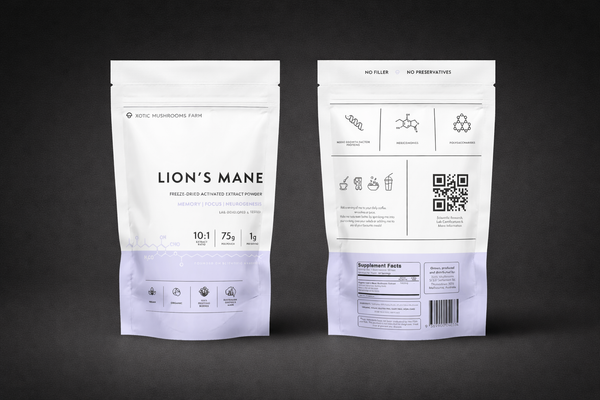
Packaging Considerations for Lion’s Mane ExtractPackaging plays a critical role in maintaining the quality and performance of Lion’s Mane extract. While formulation and...
20 August 2026
Packaging Considerations for Lion’s Mane ExtractPackaging plays a critical role in maintaining the quality and performance of Lion’s Mane extract. While formulation and...
 20 August 2026
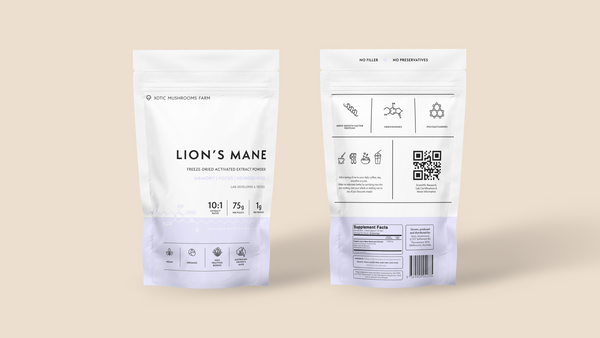
Shelf Stability of Lion’s Mane Extract PowderShelf stability plays a central role in how well a Lion’s Mane extract powder performs over time. For...
20 August 2026
Shelf Stability of Lion’s Mane Extract PowderShelf stability plays a central role in how well a Lion’s Mane extract powder performs over time. For...
 20 August 2026
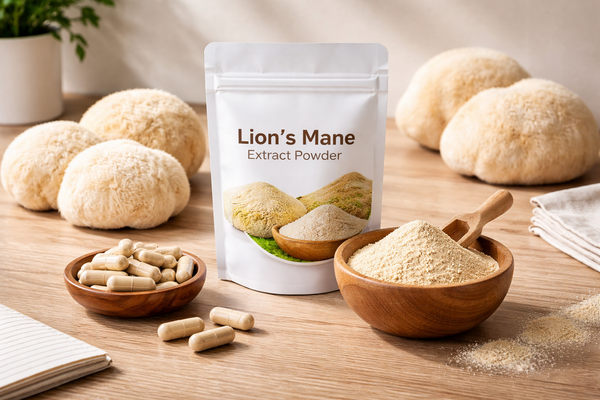
Lion’s Mane Powder for Nootropic Supplement LinesNootropic supplements have become one of the fastest growing segments within the nutraceutical industry. These products are commonly...
20 August 2026
Lion’s Mane Powder for Nootropic Supplement LinesNootropic supplements have become one of the fastest growing segments within the nutraceutical industry. These products are commonly...
Get supply and pricing updates
Product specs, new extract batches, and bulk pricing for supplement brands and distributors.