Packaging Considerations for Lion’s Mane Extract

Packaging plays a critical role in maintaining the quality and performance of Lion’s Mane extract. While formulation and extraction are important, poor packaging can quickly compromise even the best product.
Exposure to moisture, oxygen, light, and heat can affect both the physical stability and potency of the extract. For brands, this can lead to clumping, reduced effectiveness, and inconsistent customer experience.
Understanding the right packaging approach helps ensure Lion’s Mane extract remains stable, reliable, and ready for market distribution.
What Packaging Needs to Protect Against
Effective packaging must act as a barrier against the key environmental factors that affect Lion’s Mane extract:
- Moisture: Lion’s Mane extract powder is hygroscopic and absorbs moisture easily, leading to clumping and reduced flowability.
- Oxygen: Exposure to air can contribute to oxidation, which may impact both product quality and long-term stability.
- Light: UV exposure can degrade sensitive compounds and alter the appearance of the product over time.
- Temperature fluctuations: Heat and changing conditions can accelerate degradation and introduce condensation inside packaging.
Controlling these variables is essential for maintaining product integrity throughout its shelf life.
Packaging Considerations by Product Format
Packaging requirements vary depending on how the Lion’s Mane extract is presented. Each format has specific stability challenges that must be addressed through the right combination of materials, sealing methods, and internal protection to maintain quality, usability, and shelf life across different environments:
1. Powder Extracts
Powder extracts require high-barrier packaging to protect against moisture and oxygen exposure. Foil-lined pouches paired with desiccants are commonly used to maintain flowability and prevent clumping. Proper sealing and minimal headspace are also important to reduce environmental interaction and preserve consistency over the product’s intended shelf life.
2. Capsules

Capsules benefit from rigid container-based packaging with secure, airtight seals. While the capsule shell offers some protection, it remains sensitive to humidity, which can affect texture and integrity. Including desiccants and using well-sealed HDPE containers helps maintain capsule quality and ensures consistent dosing throughout storage and use.
3. Gummies and Blends
Gummies and blended formats depend heavily on overall formulation stability, particularly water activity levels. Packaging must help control moisture and prevent texture changes such as hardening or stickiness. Barrier packaging combined with careful formulation ensures these products remain stable, consistent, and suitable for longer shelf life in varying conditions.
Additional Packaging Considerations for Scaling Brands
Beyond basic protection, packaging decisions should also support long-term product performance, compliance, and growth. These additional considerations are especially important for brands planning to scale.
- Water activity control (Aw): Maintaining low water activity is critical for microbial stability, particularly in gummies and blended products. Packaging must help preserve a dry internal environment.
- Regulatory and labelling requirements: Packaging should allow space for batch numbers, expiry dates, and storage instructions. Clear labelling supports compliance and builds customer trust.
- Transport and logistics conditions: Products may be exposed to heat and humidity during shipping. Packaging should be durable enough to maintain stability throughout transport and storage.
- Consumer use after opening: Once opened, products are exposed to air and moisture. Resealable packaging such as zip pouches or secure lids helps maintain stability during daily use.
- Compatibility with formulation ingredients: Custom blends may include ingredients that increase moisture sensitivity. Packaging should be selected based on the full formulation, not just the Lion’s Mane extract.
- Sustainability considerations: Many brands aim to use eco-conscious packaging. Materials should balance environmental goals with barrier performance to avoid compromising shelf stability.
- Scalability and packaging flexibility: Packaging choices should align with both current production volumes and future growth. Some formats are better suited for small batches, while others support large-scale manufacturing.
Types of Packaging Used for Lion’s Mane Extract

Different packaging formats offer varying levels of protection depending on the product format and distribution channel. Selecting the right option ensures stability, protects product quality, and supports both storage and transport requirements across different stages of the supply chain:
1. Foil-Lined Pouches
Foil-lined pouches provide strong barrier protection against moisture, oxygen, and light exposure. They are lightweight, cost-effective, and widely used for powder formats in both direct-to-consumer and bulk supply. When combined with desiccants and proper sealing, they help maintain flowability and extend shelf life effectively.
2. HDPE Containers
HDPE containers offer durability and moderate barrier protection, making them suitable for both powders and capsules. When paired with tight seals and desiccants, they provide reliable moisture control. These containers are practical for retail use, offering ease of handling, storage, and consistent product protection throughout usage.
3. Glass Containers
Glass containers provide excellent protection against oxygen and do not interact with the product, preserving purity and stability. They are often used for premium positioning. However, their weight and fragility make them less suitable for bulk distribution, requiring careful handling and higher transport considerations.
4. Bulk Packaging
Bulk packaging is commonly used for contract manufacturing and B2B supply. Lion’s Mane extract is stored in sealed inner bags within fibre drums to protect against environmental exposure. This format is designed for transport stability, maintaining product integrity during storage, shipping, and large-scale handling operations.
The Role of Desiccants and Internal Protection
Internal packaging components play an important role in maintaining a stable environment inside the container.
- Desiccants: Help absorb excess moisture and reduce the risk of clumping, especially in humid conditions.
- Oxygen absorbers: Used in certain applications to minimise oxidation and extend shelf life.
- Sealing quality: Proper sealing ensures that external air and humidity do not enter the packaging over time.
These additions are simple but effective ways to improve overall product stability.
Headspace and Air Control

The amount of air inside packaging, known as headspace, can influence product stability. Excess air increases exposure to oxygen and moisture, which can affect long-term quality.
In some cases, manufacturers use nitrogen flushing to replace oxygen before sealing. This approach reduces oxidation and is often used for more sensitive or premium formulations.
Even without advanced methods, minimising unnecessary headspace improves shelf life and consistency.
Common Packaging Mistakes to Avoid
Avoiding these mistakes helps maintain consistent product quality:
- Using low-barrier materials: Allows moisture and oxygen to enter, reducing shelf life.
- Ignoring humidity conditions: Leads to clumping and product degradation during storage.
- Poor sealing practices: Increases exposure to environmental factors over time.
- Excess headspace: Creates unnecessary air exposure inside the packaging.
- No internal moisture control: Skipping desiccants can lead to avoidable stability issues.
Working with Xotic Mushrooms for Reliable Packaging Solutions
Packaging is not an afterthought at Xotic Mushrooms. It is integrated into the manufacturing process to ensure Lion’s Mane extract remains stable from production to final use.
Xotic Mushrooms provides guidance on packaging formats based on product type, target market, and distribution channel. Whether it is powders, capsules, or custom blends, each product is matched with packaging that supports stability and usability.
With a focus on clean production, controlled extraction, and practical formulation, packaging decisions are made to protect both product quality and brand reputation.
For brands looking to scale, having a manufacturing partner that understands packaging alongside formulation ensures consistent, reliable products over time.
Conclusion: Packaging Is Key to Product Performance
Packaging plays a direct role in how Lion’s Mane extract performs throughout its shelf life. It protects against environmental exposure and supports long-term stability.
By choosing the right materials, controlling internal conditions, and avoiding common mistakes, brands can maintain product quality and consistency.
With the right manufacturing and packaging approach, Lion’s Mane extract products remain stable, effective, and ready for market success.
Source Lion's Mane extract powder at scale
Consistent extract quality, full testing, and white label supply built for growing brands.
Talk to our supply teamRelated articles
 20 August 2026
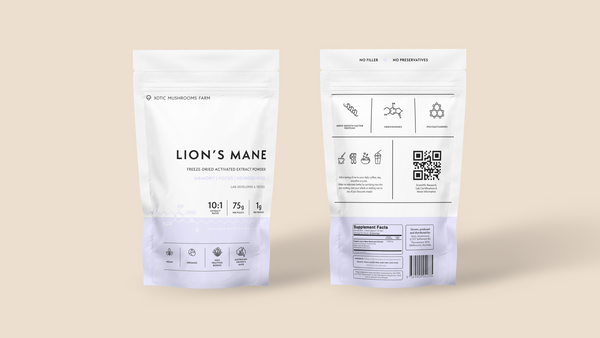
Shelf Stability of Lion’s Mane Extract PowderShelf stability plays a central role in how well a Lion’s Mane extract powder performs over time. For...
20 August 2026
Shelf Stability of Lion’s Mane Extract PowderShelf stability plays a central role in how well a Lion’s Mane extract powder performs over time. For...
 20 August 2026
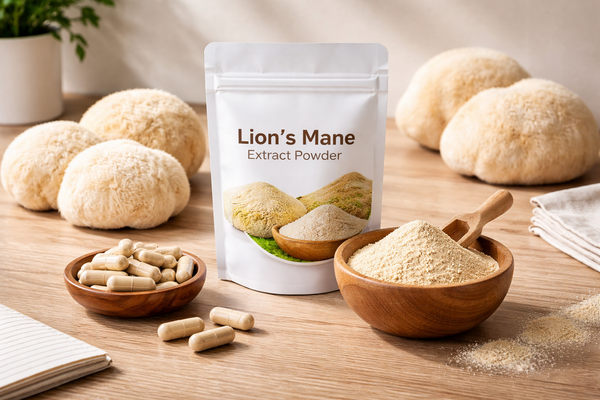
Lion’s Mane Powder for Nootropic Supplement LinesNootropic supplements have become one of the fastest growing segments within the nutraceutical industry. These products are commonly...
20 August 2026
Lion’s Mane Powder for Nootropic Supplement LinesNootropic supplements have become one of the fastest growing segments within the nutraceutical industry. These products are commonly...
 17 August 2026
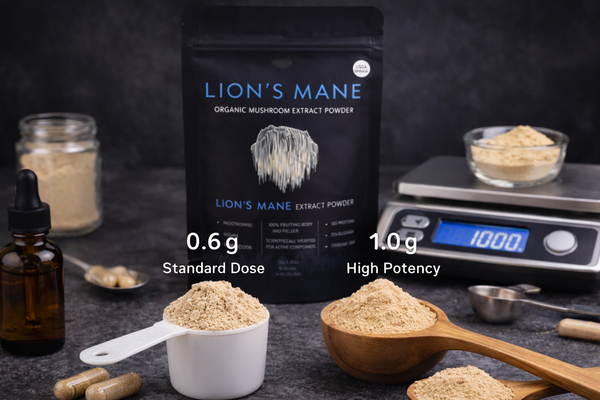
Dosage and Potency in Lion’s Mane Extract PowdersLion’s Mane mushroom extract has become a widely used ingredient in modern supplement formulations. As functional mushroom products...
17 August 2026
Dosage and Potency in Lion’s Mane Extract PowdersLion’s Mane mushroom extract has become a widely used ingredient in modern supplement formulations. As functional mushroom products...
Get supply and pricing updates
Product specs, new extract batches, and bulk pricing for supplement brands and distributors.