Shelf Stability of Lion’s Mane Extract Powder

Shelf stability plays a central role in how well a Lion’s Mane extract powder performs over time. For brands, it affects product quality, customer experience, and long-term reliability.
When stability is overlooked, issues such as clumping, loss of potency, or inconsistent batches can arise. These problems often lead to complaints, returns, or reduced trust in the product.
Understanding how shelf stability works allows brands to make better decisions around formulation, packaging, and storage. It also ensures products remain effective, safe, and consistent from production to final use.
What Shelf Stability Means in Functional Mushroom Products
Shelf stability refers to how well a product maintains its intended quality over a defined period. In functional mushroom products, this includes both physical stability and active compound retention.
Physical stability relates to how the powder behaves. This includes flowability, texture, solubility, and resistance to clumping. A stable powder should remain free-flowing and easy to use throughout its shelf life.
At the same time, chemical stability is just as important. Lion’s Mane extract powders are valued for their beta-glucan content and bioactive compounds. Shelf stability ensures these compounds remain consistent and effective.
It is also important to distinguish between raw mushroom powder and extract powder. Extracts are processed to concentrate specific compounds, which makes them more sensitive to environmental factors but more consistent when handled correctly.
Typical Shelf Life of Lion’s Mane Extract Powder
Most Lion’s Mane extract powders have a typical shelf life of 18 to 24 months when stored under proper conditions. This timeframe is based on stability testing and reflects how long the product maintains acceptable quality.
The “best before” date does not mean the product becomes unsafe after that point. Instead, it indicates the period during which the product is expected to retain its intended potency, texture, and performance.
Over time, small changes may occur. These can include slight moisture absorption, reduced solubility, or gradual degradation of active compounds. While these changes are often slow, they can impact the overall product experience.
Proper storage, packaging, and formulation decisions all play a role in ensuring the product reaches its full shelf life without compromising quality.
Key Factors That Affect Shelf Stability

Several environmental and processing variables directly influence how Lion’s Mane extract powder behaves over time, from moisture exposure to extraction quality and storage conditions:
1. Moisture and Humidity Exposure
Lion’s Mane extract powder is hygroscopic, meaning it naturally absorbs moisture from the environment. Even small amounts of humidity can lead to clumping, caking, and reduced flowability.
Moisture can also increase the risk of microbial growth if not controlled properly. This makes humidity one of the most critical factors in maintaining stability.
Controlling moisture starts with production but continues through packaging, storage, and handling.
2. Extraction Method and Raw Material Quality
The extraction process directly influences stability. Well-processed extracts with consistent beta-glucan levels tend to behave more predictably over time.
Poor extraction methods or inconsistent raw materials can lead to variability between batches. This affects both stability and product performance.
High-quality sourcing and controlled extraction help ensure a more stable and reliable final product.
3. Particle Size and Powder Density
Fine powders have a larger surface area, which increases their exposure to air and moisture. This makes them more prone to clumping and environmental changes.
Particle size also affects how the powder flows and mixes. A well-balanced particle profile improves handling and reduces stability issues during storage.
Manufacturers often adjust milling processes to optimise both usability and stability.
4. Temperature and Storage Conditions
Heat accelerates chemical reactions, including the breakdown of active compounds. Storing Lion’s Mane extract powder in high temperatures can shorten its effective shelf life.
Consistent, moderate temperatures help preserve both physical structure and potency. Fluctuating conditions can also introduce condensation, which increases moisture exposure.
Maintaining a stable storage environment is essential for long-term product integrity.
5. Light and Oxygen Exposure
Exposure to light and oxygen can contribute to oxidation, which gradually affects the quality of the powder. This may lead to changes in colour, smell, or effectiveness.
While not always immediately visible, oxidation can reduce the long-term value of the product. Proper packaging helps minimise these risks.
Reducing air exposure during packaging and storage is a key part of maintaining stability.
Packaging Considerations for Maximum Stability

Packaging plays a critical role in protecting Lion’s Mane extract powder, helping control moisture, oxygen exposure, and overall product integrity throughout its shelf life:
1. Barrier Packaging Options
Packaging plays a major role in protecting Lion’s Mane extract powder. Materials with strong barrier properties help prevent moisture and oxygen from entering.
Common options include foil-lined pouches, HDPE containers, and glass jars. Each option offers different levels of protection depending on the intended use and distribution channel.
Choosing the right packaging ensures the product remains stable from production through to the end user.
2. Use of Desiccants and Oxygen Absorbers
Desiccants are commonly used to control moisture inside packaging. They help maintain a dry environment, which reduces the risk of clumping and degradation.
Oxygen absorbers may also be used in certain cases to limit oxidation. These additions are especially useful for products intended for longer shelf life or wider distribution.
Their use should be aligned with the product format and packaging design.
3. Sealing and Headspace Control
The way a product is sealed can influence how much air remains inside the packaging. Excess air increases the potential for oxidation and moisture interaction.
Advanced methods such as nitrogen flushing can reduce oxygen levels before sealing. While not always required, this approach can improve stability for sensitive formulations.
Even simple improvements in sealing quality can make a noticeable difference in shelf life.
Common Stability Issues in Lion’s Mane Powder Products

Several issues can arise when shelf stability is not properly managed. The most common problems include:
- Clumping and caking: Moisture absorption causes the powder to bind together, forming solid masses that reduce flowability and make dosing inconsistent.
- Reduced solubility: Over time, the powder may not dissolve or disperse as easily in liquids, affecting usability in daily routines and drink formulations.
- Changes in smell or colour: Oxidation and environmental exposure can lead to noticeable shifts in aroma or appearance, which may reduce perceived product quality.
- Loss of active compound consistency: Gradual degradation of key compounds such as beta-glucans can impact the effectiveness and positioning of the product.
- Batch-to-batch inconsistency: Without controlled processes, different production runs may vary in texture, potency, or behaviour, affecting overall reliability.
How to Test Shelf Stability
Testing shelf stability allows manufacturers to predict product lifespan, identify risks early, and ensure Lion’s Mane extract powder maintains quality, safety, and consistency over time:
1. Accelerated Stability Testing
Accelerated testing involves storing the product in controlled high-temperature and high-humidity environments. This helps simulate long-term conditions in a shorter period.
By observing how the product reacts, manufacturers can estimate shelf life and identify potential weaknesses.
This method is commonly used during product development and validation.
2. Real-Time Stability Testing
Real-time testing tracks the product under normal storage conditions over an extended period. This provides the most accurate reflection of actual shelf life.
Although slower, it is essential for confirming labelling claims and ensuring compliance.
Results from real-time testing support long-term product consistency and reliability.
3. Key Metrics to Monitor
Several parameters are monitored during stability testing. These include moisture content, microbial levels, and beta-glucan concentration.
Physical appearance is also assessed, including colour, texture, and flowability.
Together, these metrics provide a complete picture of how the product performs over time.
Shelf Stability in Different Product Formats

Different product formats influence how Lion’s Mane behaves over time, with each format presenting unique stability challenges related to moisture control, formulation, and packaging requirements:
1. Pure Extract Powders
Pure extract powders are the most sensitive to environmental conditions. Without additional protection, they can absorb moisture quickly and lose flowability.
They require strong packaging and controlled storage to maintain stability.
2. Capsules
Encapsulating the powder adds an extra layer of protection. The capsule shell helps limit exposure to air and humidity.
However, capsules are still sensitive to environmental conditions, especially if stored improperly.
3. Gummies and Blends
In gummies and blended products, stability depends on the entire formulation. Water activity, ingredient interactions, and processing methods all play a role.
These formats require careful design to maintain consistency over time.
Best Practices to Improve Shelf Stability
Maintaining shelf stability requires consistent control across storage, packaging, and production. The most effective practices include:
- Store in cool, dry conditions: Keeping products away from heat, humidity, and direct light helps prevent moisture absorption and slows down the degradation of active compounds.
- Use airtight, high-barrier packaging: Packaging that limits exposure to air and moisture is one of the most effective ways to preserve product quality and extend shelf life.
- Include desiccants where required: Desiccants help control internal moisture levels, reducing the risk of clumping and maintaining powder flowability, especially in humid environments.
- Maintain consistent manufacturing processes: Standardised extraction, milling, and packaging methods ensure uniform product quality and minimise variability between batches.
- Work with experienced manufacturers: Manufacturers with expertise in formulation and stability can guide decisions across sourcing, processing, and packaging to improve long-term product performance.
Why Shelf Stability Matters for Brands and Manufacturers
Shelf stability directly impacts how a product performs in the market. A stable product maintains its quality, which leads to better customer experiences and fewer complaints.
It also supports brand reputation. Consistent products build trust, while unstable products can damage credibility over time.
From a compliance perspective, stability ensures that labelling claims remain accurate throughout the product’s shelf life.
For growing brands, stability is essential for scaling. Reliable products make repeat orders, distribution, and expansion more manageable.
Working with a Manufacturer That Understands Stability

Choosing the right manufacturing partner has a direct impact on how well a Lion’s Mane product performs over time. Stability is not a single step. It is built through formulation, processing, packaging, and testing working together.
At Xotic Mushrooms, stability is considered at every stage of production. From sourcing clean raw materials to applying controlled extraction methods, each step is designed to produce consistent, reliable Lion’s Mane extract powders that hold their quality over time.
Formulation support is a key part of the process. Whether developing a new product or refining an existing one, Xotic Mushrooms works closely with brands to align ingredient selection, format, and packaging with stability requirements and target market positioning.
Testing and documentation are also built into the workflow. With third party lab testing and structured stability considerations, products are developed to meet both quality expectations and compliance requirements.
Consistency is what allows brands to scale. By working with a manufacturer that understands stability in practical terms, brands can move forward with confidence, knowing their products will remain effective, stable, and ready for repeat production.
Conclusion: Stability Is What Makes a Product Reliable
Shelf stability is a foundational part of any Lion’s Mane product. It affects how the product performs, how it is perceived, and how well it scales in the market.
By understanding the factors that influence stability, brands can make better decisions around formulation, packaging, and storage.
Reliable products come from consistent processes and informed manufacturing. Prioritising stability ensures Lion’s Mane extract powders remain effective, consistent, and ready for long-term success.
Source Lion's Mane extract powder at scale
Consistent extract quality, full testing, and white label supply built for growing brands.
Talk to our supply teamRelated articles
 20 August 2026
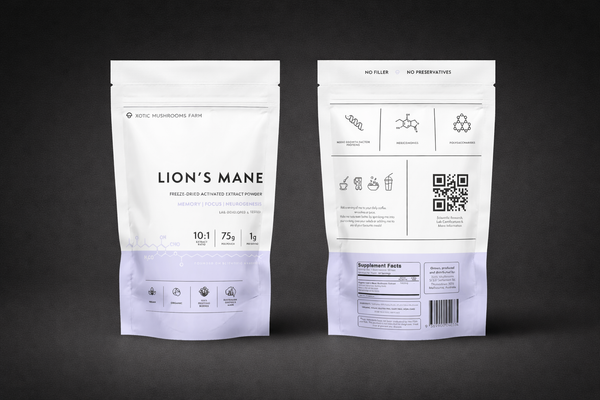
Packaging Considerations for Lion’s Mane ExtractPackaging plays a critical role in maintaining the quality and performance of Lion’s Mane extract. While formulation and...
20 August 2026
Packaging Considerations for Lion’s Mane ExtractPackaging plays a critical role in maintaining the quality and performance of Lion’s Mane extract. While formulation and...
 20 August 2026
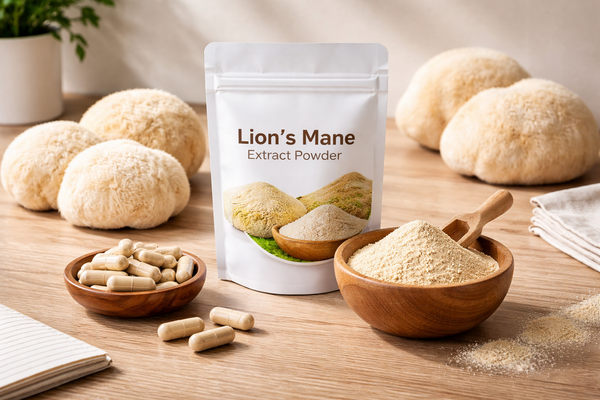
Lion’s Mane Powder for Nootropic Supplement LinesNootropic supplements have become one of the fastest growing segments within the nutraceutical industry. These products are commonly...
20 August 2026
Lion’s Mane Powder for Nootropic Supplement LinesNootropic supplements have become one of the fastest growing segments within the nutraceutical industry. These products are commonly...
 17 August 2026
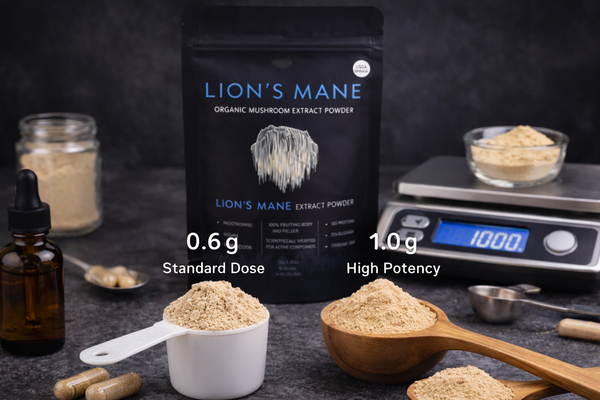
Dosage and Potency in Lion’s Mane Extract PowdersLion’s Mane mushroom extract has become a widely used ingredient in modern supplement formulations. As functional mushroom products...
17 August 2026
Dosage and Potency in Lion’s Mane Extract PowdersLion’s Mane mushroom extract has become a widely used ingredient in modern supplement formulations. As functional mushroom products...
Get supply and pricing updates
Product specs, new extract batches, and bulk pricing for supplement brands and distributors.