Private Label Lion’s Mane Supplements Explained

Lion’s Mane mushroom has become a recognised ingredient in modern supplement formulations, appearing in capsules, powders, and functional beverage products. As interest in functional mushrooms continues to grow, many businesses are exploring opportunities to launch Lion’s Mane supplements under their own brand.
For companies entering this category, private label manufacturing provides a practical pathway into the market. Instead of developing extraction processes and ingredient supply chains independently, brands can work with an established manufacturer that produces the core ingredient.
Understanding how private label Lion’s Mane supplements are produced helps brands evaluate ingredient quality, manufacturing standards, and formulation options before developing their own product line.
What Private Label Lion’s Mane Supplements Are
Private label supplements are products manufactured by one company but sold under another company’s brand identity. In this arrangement, the manufacturing partner produces the ingredient or finished supplement, while the brand owner focuses on marketing, packaging, and distribution.
Within the mushroom supplement sector, private label production often involves the supply of Lion’s Mane extract powders that can be encapsulated or blended into finished products.
This approach allows companies to enter the supplement market without building extraction facilities, ingredient processing systems, or laboratory testing infrastructure.
Private label partnerships are common across the supplement industry because they allow businesses to launch products more efficiently while maintaining control over branding and customer relationships.
For Lion’s Mane products, private label manufacturing often begins with sourcing a consistent extract powder that can serve as the foundation of the finished supplement.
Why Supplement Brands Use Private Label Manufacturing

Developing a mushroom supplement product independently requires expertise across multiple technical areas. Ingredient sourcing, extraction technology, quality testing, regulatory compliance, and formulation science all play roles in bringing a supplement product to market.
Private label manufacturing simplifies this process by allowing brands to work with partners that already manage these technical requirements.
Working with an established ingredient supplier can significantly reduce development timelines. Brands gain access to ingredients that are already produced using consistent manufacturing processes and verified through analytical testing.
This structure allows supplement companies to focus on product positioning, brand identity, and distribution strategies rather than ingredient processing.
For many businesses, private label partnerships also reduce operational complexity and supply chain risks associated with sourcing raw mushroom materials directly.
The Role of Lion’s Mane Extract in Private Label Supplements
Most private label Lion’s Mane supplements rely on concentrated mushroom extracts rather than raw mushroom powders. Extract powders play several important roles in supplement formulation and manufacturing.
- Deliver higher ingredient concentration: Extract powders concentrate compounds from the mushroom, allowing brands to include meaningful ingredient levels without using large serving sizes.
- Improve formulation efficiency: Because extracts are more concentrated, they work well in capsule and tablet products where space for ingredients is limited.
- Support consistent product dosing: Concentrated extracts help supplement brands maintain more consistent ingredient levels across production batches.
- Enable practical serving sizes: Extracts allow products to deliver effective mushroom content without requiring large quantities of powder per serving.
- Allow extract ratio standardisation: Extract powders are described using extract ratios that indicate how much raw mushroom material was used during processing.
- Improve product design flexibility: Because of their concentration, extract powders can be incorporated into capsules, powders, beverage mixes, and multi ingredient supplement blends more easily than raw mushroom powders.
Example of extract concentration
A 15:1 Lion’s Mane extract means that fifteen kilograms of raw mushroom material were processed to produce one kilogram of extract powder.
Lion’s Mane Extraction and Manufacturing Process

The production of Lion’s Mane extract powder involves several carefully controlled stages designed to preserve ingredient quality while concentrating compounds from the mushroom.
Key stages in the extraction and manufacturing process include:
- Sourcing high quality fruiting bodies: The process begins with selecting Lion’s Mane fruiting bodies, which are the visible mushroom structures harvested from cultivation.
- Drying the harvested mushrooms: After harvesting, the mushrooms are carefully dried to preserve their composition and stabilise the raw material before extraction.
- Controlled extraction processing: The dried mushroom material is processed using extraction techniques designed to break down the mushroom’s structural cell walls and release compounds contained within the mushroom tissue.
- Filtration and concentration: The liquid extract produced during extraction is filtered to remove solids and then concentrated to increase compound density.
- Conversion to extract powder: The concentrated extract is dried to produce a stable fine powder suitable for supplement formulations.
- Quality control and batch verification: Reliable manufacturers apply strict quality control procedures throughout production to maintain ingredient purity, safety, and consistency across batches.
Quality Testing and Laboratory Verification
Analytical testing plays a central role in professional supplement manufacturing.
Responsible manufacturers conduct laboratory analysis to verify the safety, purity, and composition of mushroom extracts used in supplement products.
Testing procedures may assess several quality indicators, including microbial safety, heavy metal presence, and overall ingredient integrity. These tests help ensure the ingredient meets safety standards and remains suitable for use in commercial supplement products.
Laboratory verification also supports supply chain transparency. When supplement brands work with extract suppliers that provide analytical documentation, they gain greater confidence in ingredient consistency and production quality.
Information about testing procedures and ingredient verification can be reviewed on the Xotic Mushrooms lab testing and analysis page, which outlines the analytical processes used to confirm ingredient quality.
Product Formats for Private Label Lion’s Mane Supplements

Lion’s Mane extracts can be incorporated into several types of finished supplement products.
Capsules remain one of the most widely used formats because they provide consistent serving sizes and convenient dosing for consumers. Capsule products often contain concentrated extract powders combined with other functional ingredients.
Powder blends are also common within the mushroom supplement category. Extract powders can be incorporated into beverage mixes designed for smoothies, coffee style drinks, or functional wellness blends.
Functional drink powders represent another growing category. Lion’s Mane extracts are frequently included in formulations that combine mushrooms with botanical ingredients, adaptogens, or nutritional compounds.
Each product format requires careful formulation to ensure ingredient stability and consistent dosing across production batches.
Private Label vs White Label vs Contract Manufacturing
Understanding the differences between manufacturing models helps supplement brands choose the most suitable approach when launching Lion’s Mane products. The comparison below highlights how private label, white label, and contract manufacturing differ in terms of formulation, branding, development requirements, and production control:
| Comparison Factor | Private Label Manufacturing | White Label Manufacturing | Contract Manufacturing |
|---|---|---|---|
| Basic Definition | A manufacturer produces a supplement that another company sells under its own brand. | A manufacturer produces a standardised product that multiple brands can sell under their own labels. | A manufacturer produces a supplement according to a fully customised formulation developed by the brand. |
| Formulation Control | Limited to moderate control. Brands may adjust dosage or minor ingredients. | No formulation control. The product formula remains unchanged. | Full control over formulation, ingredients, and product specifications. |
| Branding & Packaging | Fully branded by the company selling the product. | Branding and packaging are customised by each brand. | Fully customised branding, packaging, and product design. |
| Product Uniqueness | Moderate differentiation depending on packaging or minor formula adjustments. | Low differentiation since multiple brands sell the same product formula. | High differentiation with unique formulations developed for the brand. |
| Development Time | Faster than contract manufacturing since the base formulation already exists. | Very fast market entry because the product is already developed. | Longer development timeline due to formulation design and testing. |
| Minimum Order Requirements | Usually moderate depending on the manufacturer. | Typically lower minimum order quantities. | Often higher minimum orders due to customised production. |
| Research & Development Needed | Minimal R&D required. The base product already exists. | No R&D required from the brand side. | Requires product development, formulation testing, and technical planning. |
| Best For | Brands launching Lion’s Mane supplements with some level of brand differentiation. | Businesses entering the supplement market quickly with minimal development work. | Established supplement brands developing proprietary Lion’s Mane formulations. |
| Typical Use in Lion’s Mane Supplements | Brands selling capsules or powders based on an existing Lion’s Mane extract ingredient. | Brands purchasing pre-formulated mushroom supplements and applying their own label. | Brands creating unique blends combining Lion’s Mane with other functional ingredients. |
Within the Lion’s Mane supplement industry, many businesses begin with white label or private label products to test market demand. As the brand grows, some companies transition to contract manufacturing to develop customised formulations that provide stronger product differentiation.
Choosing a Reliable Lion’s Mane Ingredient Supplier

Selecting a manufacturing partner is one of the most important decisions when launching a private label supplement product. When evaluating suppliers, supplement brands should carefully review several factors that influence ingredient quality, manufacturing reliability, and long term supply stability.
Key considerations include:
- Raw material sourcing: Confirm whether the manufacturer uses Lion’s Mane fruiting bodies rather than grain based mycelium substrates, as fruiting bodies typically provide a more authentic mushroom ingredient.
- Extraction processes: Review how the manufacturer performs extraction and whether the process is designed to maintain ingredient integrity while concentrating compounds from the mushroom.
- Ingredient testing and verification: Ensure the supplier conducts laboratory testing to confirm purity, safety, and quality standards for each production batch.
- Manufacturing transparency: Reliable suppliers provide clear information about their extraction methods, quality control procedures, and production standards.
- Supply chain stability: A dependable manufacturer should maintain consistent production capacity and reliable ingredient availability to support ongoing product supply.
- Batch consistency: Suppliers should demonstrate the ability to produce extracts with consistent composition across multiple production batches.
- Manufacturing experience: Working with an experienced ingredient manufacturer helps ensure the ingredient remains suitable for supplement formulations throughout the product lifecycle.
Final Thoughts
Private label manufacturing provides supplement brands with a practical way to enter the Lion’s Mane market while relying on established ingredient production and testing processes.
By partnering with experienced extract manufacturers, brands gain access to consistent ingredient supply, verified quality standards, and reliable production infrastructure.
Understanding how private label Lion’s Mane supplements are produced allows companies to make informed decisions about ingredient sourcing, formulation design, and long-term product development within the functional mushroom industry.
Source Lion's Mane extract powder at scale
Consistent extract quality, full testing, and white label supply built for growing brands.
Talk to our supply teamRelated articles
 20 August 2026
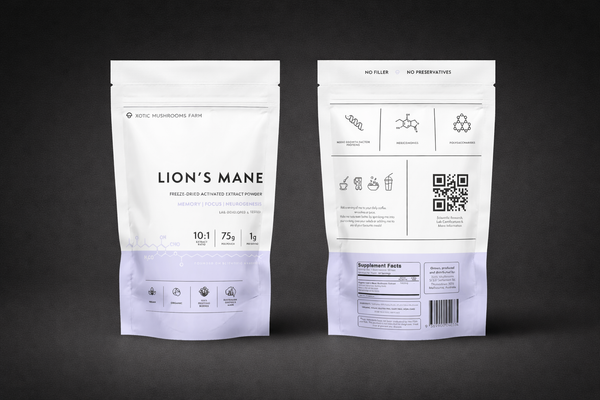
Packaging Considerations for Lion’s Mane ExtractPackaging plays a critical role in maintaining the quality and performance of Lion’s Mane extract. While formulation and...
20 August 2026
Packaging Considerations for Lion’s Mane ExtractPackaging plays a critical role in maintaining the quality and performance of Lion’s Mane extract. While formulation and...
 20 August 2026
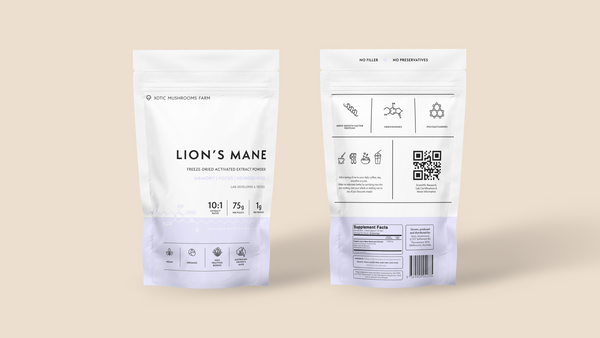
Shelf Stability of Lion’s Mane Extract PowderShelf stability plays a central role in how well a Lion’s Mane extract powder performs over time. For...
20 August 2026
Shelf Stability of Lion’s Mane Extract PowderShelf stability plays a central role in how well a Lion’s Mane extract powder performs over time. For...
 20 August 2026
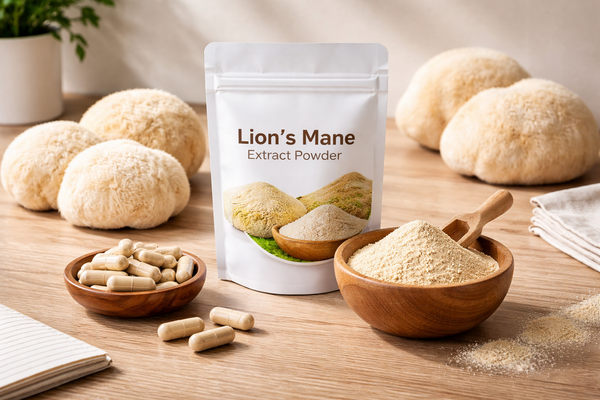
Lion’s Mane Powder for Nootropic Supplement LinesNootropic supplements have become one of the fastest growing segments within the nutraceutical industry. These products are commonly...
20 August 2026
Lion’s Mane Powder for Nootropic Supplement LinesNootropic supplements have become one of the fastest growing segments within the nutraceutical industry. These products are commonly...
Get supply and pricing updates
Product specs, new extract batches, and bulk pricing for supplement brands and distributors.