Lion’s Mane Powder vs Extract for Supplement Brands

Interest in Lion’s Mane mushroom continues to grow within the functional supplement industry. Brands developing capsules, powders, beverages, and nootropic formulations increasingly include Lion’s Mane as a key ingredient. One of the first decisions manufacturers face during product development is whether to formulate using raw Lion’s Mane mushroom powder or a concentrated Lion’s Mane extract.
Although both ingredients originate from the same mushroom species, they differ substantially in concentration, processing methods, formulation behaviour, and consistency. These differences affect serving size, potency, and product positioning in the supplement market.
Understanding how Lion’s Mane powder and extract compare helps supplement brands select ingredients that align with formulation goals, product quality expectations, and long term manufacturing consistency.
Understanding Lion’s Mane Mushroom Powder
Lion’s Mane mushroom powder is produced by drying whole mushrooms and grinding them into a fine powder. When high quality fruiting bodies are used, the resulting powder contains the natural nutritional composition of the mushroom including polysaccharides, fibre, proteins, and trace minerals.
Because the mushroom is simply dried and milled, the ingredient remains close to its natural state. This approach appeals to some brands that prefer whole food style ingredients or that are creating functional food blends.
However, mushroom cell walls are composed largely of chitin, a structural compound that can limit the accessibility of certain components within the mushroom matrix. Without extraction or processing to break down these cell walls, many compounds remain less accessible.
For supplement formulations, this means the concentration of active compounds per gram of raw powder tends to be lower than that found in extracts. As a result, larger serving sizes may be required when using raw mushroom powder in finished products.
Raw powder may still be suitable for certain product formats, particularly where high serving sizes are acceptable, such as beverage blends, smoothie mixes, or functional foods.
What Lion’s Mane Extract Powder Is

Lion’s Mane extract powder is produced using controlled extraction techniques designed to isolate and concentrate specific compounds from the mushroom.
During extraction, dried mushroom material is processed with water or other extraction methods to break down the chitin based cell walls. This process releases compounds contained within the mushroom structure and allows them to be concentrated into a more potent ingredient.
After extraction, the liquid extract is typically concentrated and dried into a stable powder. The concentration level is commonly expressed through extract ratios, which indicate the amount of raw mushroom used to produce the final extract.
For example, a 15:1 extract ratio means that fifteen kilograms of mushroom material were used to produce one kilogram of extract powder.
This concentration allows supplement brands to formulate products that deliver meaningful quantities of compounds while maintaining practical serving sizes. Extract powders are therefore commonly used in capsules, tablets, drink mixes, and functional blends where potency and consistency are important.
Key Differences Between Lion’s Mane Powder and Extract
Choosing between Lion’s Mane powder and extract is one of the most important formulation decisions supplement brands make. While both ingredients originate from the same mushroom, their concentration, processing methods, and performance in finished products can differ significantly. Understanding these differences helps manufacturers select ingredients that support consistent potency, formulation efficiency, and product reliability:
1. Concentration of Active Compounds
The most significant difference between Lion’s Mane powder and extract is the concentration of compounds within the ingredient.
Raw mushroom powder contains the natural composition of the mushroom. While this includes polysaccharides and other components, these compounds are distributed throughout the entire mushroom structure. As a result, the concentration per gram tends to be relatively low.
Extract powders are produced by isolating and concentrating compounds from the mushroom material. During extraction, a large volume of raw mushroom is processed to produce a smaller amount of concentrated extract.
For supplement brands, this means extracts can deliver higher compound density per serving, allowing formulations to achieve potency targets without requiring large serving sizes.
This difference becomes particularly important in capsule or tablet formulations where ingredient space is limited.
2. Formulation Efficiency in Supplements

From a formulation perspective, ingredient concentration directly influences product design and dosage requirements.
Raw Lion’s Mane powder typically requires higher inclusion rates to achieve the desired level of mushroom content in a finished product. This can affect capsule fill weights, product flavour profiles, and packaging considerations.
Extract powders allow brands to work with smaller ingredient quantities while delivering concentrated mushroom extracts. This can simplify formulation for capsule products, where space inside each capsule is limited.
Extract powders are also easier to combine with other functional ingredients in multi ingredient blends, such as nootropic formulations or adaptogenic beverage powders.
For brands developing high potency mushroom supplement products, extract ingredients provide greater flexibility during formulation.
3. Bioavailability and Cellular Access
Mushrooms contain complex structural cell walls made primarily of chitin, which functions as a protective barrier for the fungal organism.
When mushrooms are consumed as raw powder, the compounds contained inside these cell walls may not always be easily accessible. Grinding the mushroom into powder increases surface area but does not fully break down the chitin structure.
Extraction processes are designed to address this limitation. By applying heat and controlled extraction methods, manufacturers break down the cell wall structure and release compounds contained within the mushroom cells.
This process allows the resulting extract powder to contain compounds that are already separated from the original cellular structure, making them easier to incorporate into formulations.
For supplement manufacturers, this difference is often reflected in serving size efficiency and formulation flexibility.
4. Quality Verification and Standardisation
Consistency is a critical factor in supplement manufacturing. Brands must ensure that every batch of product delivers the same ingredient composition and quality.
Raw mushroom powders can vary depending on factors such as growing conditions, harvest timing, and drying methods. Because the mushroom is processed in its whole form, variation between batches may be more difficult to standardise.
Extract powders are often produced within controlled manufacturing environments with defined extraction parameters, allowing manufacturers to maintain greater consistency between batches.
Professional extract suppliers typically support their ingredients with analytical laboratory testing, verifying factors such as purity, contamination levels, and compound composition.
This analytical verification allows supplement brands to confirm ingredient quality and maintain transparency within their supply chains.
Manufacturing Standards Behind Lion’s Mane Extracts

The quality of a Lion’s Mane extract depends heavily on how the ingredient is sourced, processed, and verified during manufacturing.
Reliable extract production begins with the selection of high quality fruiting bodies rather than mycelium grown on grain substrates. Using fruit bodies ensures the raw material consists primarily of mushroom tissue rather than grain based filler material.
Extraction then involves carefully controlled processing designed to release compounds from the mushroom structure while preserving ingredient integrity. Temperature control, extraction duration, and filtration processes all influence the quality of the final extract.
After extraction, the resulting material is dried into a stable powder that can be incorporated into supplement formulations.
Responsible manufacturers also implement comprehensive laboratory testing procedures to verify ingredient quality. These tests typically assess microbial safety, contamination levels, and compositional integrity.
Detailed analytical verification supports supply chain transparency and allows supplement brands to confidently incorporate the ingredient into finished products.
More information about analytical verification and laboratory testing standards can be found on the Xotic Mushrooms lab testing and analysis page.
Choosing Between Powder and Extract for Product Development
For supplement brands, selecting the right ingredient depends largely on the intended product format and formulation objectives.
Raw Lion’s Mane powder may be suitable when the goal is to incorporate a whole food mushroom ingredient into beverage mixes, functional foods, or culinary products. In these applications, the focus is often on ingredient inclusion rather than compound concentration.
Extract powders are generally preferred when brands are developing capsules, tablets, or concentrated functional supplements. Extracts allow for smaller serving sizes and more precise formulation control.
Many supplement manufacturers also prioritise extracts when creating premium nootropic blends or functional formulations where consistency and potency are important considerations.
Understanding the differences between these ingredient types allows brands to align formulation decisions with product positioning and consumer expectations.
Final Thoughts
Lion’s Mane powder and Lion’s Mane extract both originate from the same mushroom, yet their processing methods produce ingredients with very different characteristics for supplement manufacturing.
Raw powder offers a whole food mushroom ingredient suitable for functional foods and beverage blends. Extract powders provide concentrated compounds and formulation efficiency for capsules and advanced supplement products.
For brands developing Lion’s Mane supplements, understanding these differences allows formulation decisions to align with product goals, quality standards, and long term manufacturing reliability.
Source Lion's Mane extract powder at scale
Consistent extract quality, full testing, and white label supply built for growing brands.
Talk to our supply teamRelated articles
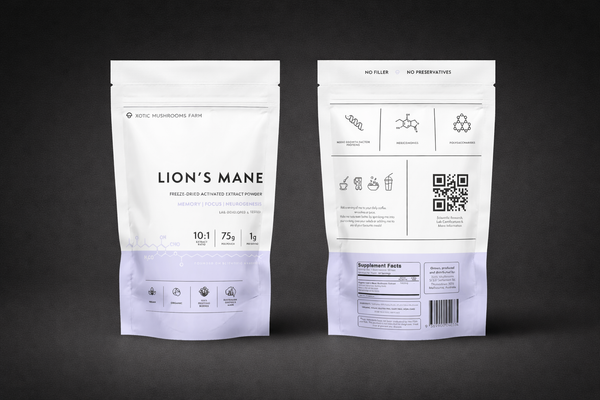 20 August 2026
Packaging Considerations for Lion’s Mane ExtractPackaging plays a critical role in maintaining the quality and performance of Lion’s Mane extract. While formulation and...
20 August 2026
Packaging Considerations for Lion’s Mane ExtractPackaging plays a critical role in maintaining the quality and performance of Lion’s Mane extract. While formulation and...
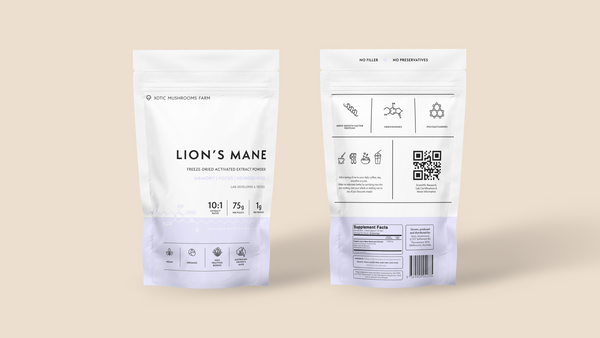 20 August 2026
Shelf Stability of Lion’s Mane Extract PowderShelf stability plays a central role in how well a Lion’s Mane extract powder performs over time. For...
20 August 2026
Shelf Stability of Lion’s Mane Extract PowderShelf stability plays a central role in how well a Lion’s Mane extract powder performs over time. For...
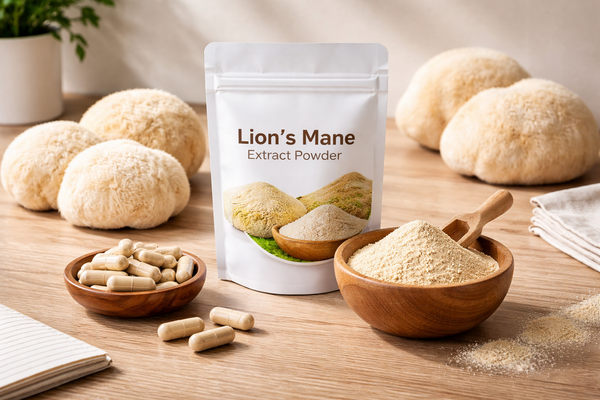 20 August 2026
Lion’s Mane Powder for Nootropic Supplement LinesNootropic supplements have become one of the fastest growing segments within the nutraceutical industry. These products are commonly...
20 August 2026
Lion’s Mane Powder for Nootropic Supplement LinesNootropic supplements have become one of the fastest growing segments within the nutraceutical industry. These products are commonly...
Get supply and pricing updates
Product specs, new extract batches, and bulk pricing for supplement brands and distributors.