Custom Formulation Options for Lion’s Mane Products

Lion’s Mane mushroom has become an increasingly common ingredient in modern supplement formulations. As interest in functional mushrooms continues to expand, supplement brands are exploring different ways to incorporate Lion’s Mane into capsules, powders, beverage blends, and functional wellness products.
While some companies launch products using standard ingredient formats, many brands choose to develop custom formulations that align with their product positioning and target market. Custom formulation allows companies to determine ingredient combinations, dosage levels, product formats, and formulation performance.
Understanding the formulation options available for Lion’s Mane products helps brands design supplements that balance ingredient quality, manufacturing consistency, and long-term product scalability.
Why Custom Formulation Matters for Supplement Brands
Developing a supplement product involves more than selecting a single ingredient. Brands must consider serving size, ingredient compatibility, product stability, and manufacturing efficiency.
Custom formulation allows companies to design products that reflect their brand strategy and differentiate their products within a competitive supplement market.
Instead of relying on standardised products, custom formulations provide flexibility to combine Lion’s Mane with other functional ingredients, adjust extract dosages, and create unique supplement formats.
For many supplement brands, this process helps establish stronger product identity while maintaining control over ingredient quality and formulation consistency.
Custom formulation also supports long term product development strategies by allowing brands to refine and expand their product range over time.
Lion’s Mane Extract as a Formulation Ingredient
Most modern Lion’s Mane supplements are built around concentrated mushroom extracts rather than raw mushroom powders.
Extract powders provide higher compound concentration and allow supplement brands to deliver meaningful ingredient levels within manageable serving sizes.
Extracts are also easier to standardise across production batches, which helps manufacturers maintain consistent product quality.
Lion’s Mane extract powders are typically expressed using extract ratios, such as 10:1 or 15:1. These ratios indicate the amount of raw mushroom material used during extraction.
For example, a 15:1 extract means that fifteen kilograms of raw mushroom were processed to produce one kilogram of extract powder.
This concentration makes extract powders suitable for a wide range of supplement formulations.
Common Custom Formulation Formats for Lion’s Mane Products

Different supplement formats influence how Lion’s Mane extract is incorporated into finished products. Brands often select product formats based on consumer preferences, dosage requirements, and product positioning.
Common formulation formats include:
1. Capsules
Capsules remain one of the most widely used formats for Lion’s Mane supplements within the nutraceutical industry.
This format provides accurate dosing and consistent serving sizes, making it suitable for daily supplementation products. Capsules also offer a familiar delivery method for consumers who prefer convenient supplement routines.
For supplement brands, capsules allow formulation teams to work with concentrated extract powders that fit within standard capsule sizes such as size 0 or size 00 capsules. This ensures that the ingredient dosage remains practical without requiring excessive capsule counts per serving.
Capsule formulations can also combine Lion’s Mane extract with complementary ingredients, including other functional mushroom extracts, botanical compounds, or nutritional ingredients. These multi ingredient capsules require careful planning to ensure powder density, particle size, and ingredient compatibility support efficient capsule filling during manufacturing.
Because capsule products require relatively simple packaging and stable ingredient handling, they are often one of the most efficient ways for brands to launch Lion’s Mane supplements.
2. Powder Blends
Powder blends offer a flexible product format that allows Lion’s Mane extract to be incorporated into functional wellness powders and daily drink mixes.
In these formulations, Lion’s Mane extract powder is blended with other ingredients to create a product designed to be mixed with liquids such as water, milk, smoothies, or coffee.
Powder blends allow supplement brands to include higher ingredient quantities than capsule formats while maintaining versatile serving options. This format is often used in products that combine mushroom extracts with nutritional compounds such as plant proteins, minerals, or botanical ingredients.
Formulating powder blends requires attention to mixing behaviour, flavour balance, and powder flow properties. Ingredients must blend evenly to ensure each serving delivers consistent ingredient quantities.
Manufacturers also consider particle size distribution and powder density during formulation to prevent ingredient separation during packaging and storage.
Powder blends are particularly suitable for brands targeting consumers interested in functional wellness drinks or mushroom based nutrition products.
3. Functional Beverage Mixes

Functional beverage powders represent one of the fastest growing product categories in the mushroom supplement market.
Lion’s Mane extract is frequently incorporated into beverage formulations designed to be mixed with hot or cold liquids. These products are often positioned as daily wellness drinks, coffee alternatives, or nootropic style beverages.
Unlike standard powder supplements, beverage formulations require additional consideration for taste, solubility, and ingredient compatibility. Extract powders used in beverage mixes must disperse evenly in liquid while maintaining a balanced flavour profile.
Many functional beverage products combine Lion’s Mane extract with ingredients such as adaptogenic herbs, cacao, coffee alternatives, or natural flavouring components.
Formulation teams must ensure that each ingredient dissolves effectively and maintains stability throughout the product’s shelf life.
Because beverage products involve more complex flavour and mixing considerations, they often require more detailed formulation testing compared to capsule supplements.
4. Multi Ingredient Formulas
Custom Lion’s Mane supplements are often designed as multi ingredient formulations that combine several functional compounds within a single product.
In these formulations, Lion’s Mane extract is paired with additional mushroom extracts, botanical ingredients, or nutritional compounds to create broader wellness blends.
For example, Lion’s Mane extract may be combined with other mushroom ingredients or plant based compounds to create comprehensive mushroom supplement products.
Developing multi ingredient formulations requires careful evaluation of ingredient compatibility. Factors such as moisture sensitivity, powder density, flavour profile, and chemical stability must be considered to ensure the final product remains stable during storage.
Manufacturers must also ensure that the inclusion of additional ingredients does not interfere with the quality or integrity of the Lion’s Mane extract used in the formulation.
When properly designed, multi ingredient formulations allow supplement brands to create products that deliver several functional ingredients within a single serving.
5. Liquid Extract and Tincture Formats

Although less common than capsules and powders, some supplement brands incorporate Lion’s Mane extracts into liquid supplement formats.
Liquid products may include tinctures or concentrated extract solutions that can be consumed directly or added to beverages.
Liquid formulations require additional considerations for ingredient stability, preservative systems, and packaging compatibility. Extracts used in these products must remain stable in liquid suspension and maintain consistent concentration over time.
Because liquid supplements involve more complex formulation requirements, they are typically developed by brands with specific product concepts or niche market positioning.
How Supplement Brands Develop Custom Lion’s Mane Formulas Step by Step
Developing a custom Lion’s Mane supplement typically follows a structured formulation process. Each stage ensures that the final product meets quality standards, delivers consistent ingredient levels, and remains suitable for large scale manufacturing.
The development process usually includes the following steps:
- Ingredient sourcing: The process begins with selecting a reliable supplier of Lion’s Mane extract. Manufacturers often prioritise fruiting body extracts with verified extraction ratios and documented laboratory testing.
- Defining product objectives: Brands determine the intended product format, such as capsules, powders, or beverage mixes. This decision influences ingredient concentration, serving size, and packaging requirements.
- Dosage planning: Formulation teams establish the amount of Lion’s Mane extract to include per serving. Extract ratios such as 15:1 Lion’s Mane extract help determine the concentration required for the final product.
- Selecting complementary ingredients: If the product includes multiple ingredients, formulation specialists evaluate compatibility between Lion’s Mane extract and other compounds. This ensures ingredients blend properly and remain stable during storage.
- Formulation testing: Prototype formulations are developed and tested to evaluate blending performance, powder flow properties, and ingredient distribution within the product.
- Manufacturing evaluation: Manufacturers confirm that the formulation can be produced efficiently using existing production equipment. This stage may involve adjusting ingredient ratios to improve manufacturing consistency.
- Quality verification: Once the formulation is finalised, laboratory testing verifies ingredient safety, purity, and batch consistency before the product enters production.
Following a structured development process helps supplement brands create products that maintain consistent quality from the first production batch through long term manufacturing.
Ingredient Compatibility in Lion’s Mane Formulations

When developing a custom supplement formulation, manufacturers must consider how different ingredients interact within the final product.
Lion’s Mane extract powders generally combine well with a range of other functional ingredients, but formulation planning is necessary to maintain product stability and consistency.
Several factors influence ingredient compatibility:
- Powder density and particle size affect blending performance and ingredient distribution within a product.
- Moisture sensitivity can influence ingredient stability during storage.
- Taste profile considerations are important for powder and beverage formulations.
- Ingredient flow properties affect capsule filling and powder blending processes.
Proper formulation design ensures that each ingredient performs reliably during manufacturing and throughout the product’s shelf life.
Dosage and Extract Ratio Considerations
Determining the correct dosage of Lion’s Mane extract is a key step during supplement formulation. Extract ratios help manufacturers understand the concentration of the ingredient and how it will perform within the final product.
Important considerations include:
- Determining the appropriate dosage: Formulation teams must decide how much Lion’s Mane extract should be included in each serving to meet product design goals.
- Understanding extract ratios: Extract ratios indicate the concentration level of the ingredient by showing how much raw mushroom material was used to produce the extract.
- Higher concentration extracts: Higher ratio extracts contain more concentrated material relative to the original mushroom, allowing manufacturers to deliver stronger ingredient density in smaller serving sizes.
- Example of extract concentration: A 15:1 Lion’s Mane extract means that fifteen kilograms of raw mushroom material were processed to produce one kilogram of extract powder.
- Serving size efficiency: Using concentrated extracts helps brands incorporate Lion’s Mane into capsules or powders without requiring large ingredient quantities.
- Capsule size limitations: Dosage levels must consider capsule size restrictions to ensure the formulation fits within practical capsule capacities.
- Ingredient compatibility: Dosage decisions must account for other ingredients within the formulation to ensure balanced composition and stable product performance.
- Consistency across production batches: Maintaining stable extract ratios helps ensure that finished products deliver consistent ingredient levels throughout the product lifecycle.
Manufacturing Considerations for Custom Lion’s Mane Products

Manufacturing requirements vary depending on the supplement format and production process. When developing custom Lion’s Mane formulations, manufacturers evaluate several factors to ensure consistent production quality and reliable product performance.
Key considerations include:
- Powder flow properties: Capsule formulations require powders with stable flow characteristics to ensure consistent capsule filling during production.
- Particle size consistency: Extract powders must maintain uniform particle characteristics to support reliable mixing and capsule filling processes.
- Blend uniformity: Powder blends and beverage mixes require even ingredient distribution to ensure each serving delivers consistent ingredient quantities.
- Powder density and mixing behaviour: Manufacturers evaluate how ingredients behave during blending to prevent separation or uneven distribution within the product.
- Ingredient compatibility: Formulation teams assess how Lion’s Mane extract interacts with other ingredients to maintain stability and consistent product performance.
- Storage stability: Supplement formulations must remain stable during packaging, transportation, and retail storage without ingredient degradation.
- Moisture sensitivity: Powder formulations must be protected from excess moisture that may affect ingredient stability or product shelf life.
- Batch consistency: Reliable ingredient suppliers help maintain consistent extract composition across production batches, supporting long term product quality.
Quality Testing and Analytical Verification
Analytical testing is an essential part of supplement manufacturing.
Manufacturers use laboratory analysis to verify ingredient safety, purity, and composition before incorporating extracts into finished products.
Testing procedures may include microbial analysis, heavy metal screening, and contamination checks to ensure the ingredient meets safety standards.
Analytical verification also helps supplement brands confirm that the Lion’s Mane extract used in their formulation maintains consistent composition across production batches.
Information about testing procedures and ingredient verification can be found on the Xotic Mushrooms lab testing and analysis page, which outlines the analytical processes used to confirm ingredient quality.
Why Extract Quality Determines Formulation Success

The quality of the Lion’s Mane extract used in a formulation plays a major role in the overall performance and reliability of the finished supplement product. Several factors determine whether an extract will perform consistently during formulation and manufacturing.
Key factors include:
- Consistent ingredient composition: High quality extracts maintain stable compound composition, allowing supplement brands to formulate products with predictable ingredient levels.
- Reliable concentration levels: Concentrated extracts provide dependable potency, making it easier to achieve target dosages within practical serving sizes.
- Predictable manufacturing behaviour: Stable extract powders support consistent blending, capsule filling, and powder mixing during supplement production.
- Source of raw mushroom material: Extracts produced from fruiting body mushrooms generally provide a more authentic mushroom ingredient compared with extracts derived from grain based mycelium substrates.
- Controlled extraction processes: Proper extraction techniques break down the mushroom’s structural cell walls and concentrate compounds while maintaining ingredient integrity.
- Consistent extract ratios: Maintaining stable extraction ratios across production batches helps ensure supplement products deliver reliable ingredient concentrations.
- Laboratory testing and verification: Analytical testing verifies purity, microbial safety, and ingredient composition, supporting ingredient quality assurance.
- Manufacturing transparency: Suppliers that provide clear information about extraction methods and testing procedures allow supplement brands to better evaluate ingredient quality.
- Long term formulation stability: Working with extract suppliers that prioritise quality control and verified testing helps ensure supplement products remain consistent across production batches and throughout the product lifecycle.
More information about analytical testing procedures can be reviewed on the Xotic Mushrooms lab testing and analysis page, which outlines the processes used to confirm ingredient quality.
Working With an Experienced Lion’s Mane Manufacturer

Developing custom Lion’s Mane supplements requires collaboration between supplement brands and experienced ingredient manufacturers. Working with a specialist supplier helps ensure ingredient quality, manufacturing reliability, and formulation consistency throughout the product lifecycle.
When partnering with a manufacturer such as Xotic Mushrooms, supplement brands gain access to expertise and production standards that support professional formulation development.
Key advantages include:
- Extraction expertise: Experienced manufacturers such as Xotic Mushrooms specialise in producing concentrated Lion’s Mane extracts using controlled processing methods designed to maintain ingredient integrity.
- Reliable ingredient handling: Professional suppliers implement proper handling and processing procedures to ensure that Lion’s Mane extract powders remain stable and suitable for supplement formulations.
- Consistent raw material sourcing: Established manufacturers maintain reliable sourcing of Lion’s Mane fruiting bodies to support stable extract production.
- Transparent manufacturing practices: Companies such as Xotic Mushrooms provide clear information about extraction processes, production methods, and ingredient standards.
- Laboratory verification and testing: Reliable suppliers support their ingredients with analytical testing procedures that verify purity, safety, and ingredient composition.
- Manufacturing consistency: Working with experienced extract producers helps supplement brands maintain consistent ingredient quality across production batches.
This level of transparency and manufacturing expertise allows supplement brands to confidently incorporate Lion’s Mane extract ingredients supplied by Xotic Mushrooms into their custom supplement formulations.
Lion’s Mane Formulation Trends in the Supplement Industry
Several formulation trends have emerged as the functional mushroom supplement market has expanded.
Many brands are developing nootropic style formulations that combine Lion’s Mane with botanical ingredients used in cognitive wellness products.
Functional beverage powders are also growing in popularity as consumers look for alternatives to traditional capsules.
Another emerging trend involves combining Lion’s Mane with other mushroom extracts to create multi mushroom supplement blends that offer a broader ingredient profile.
These trends demonstrate how formulation flexibility allows supplement brands to adapt Lion’s Mane ingredients to different product categories while maintaining consistent extract quality.
Ingredient Pairing Opportunities for Lion’s Mane Formulations

Lion’s Mane extract is often paired with complementary ingredients in custom supplement products.
| Ingredient Category | Example Pairings | Formulation Purpose |
|---|---|---|
| Functional Mushrooms | Reishi, Cordyceps, Chaga | Multi mushroom blends |
| Botanical Ingredients | Adaptogenic herbs | Botanical wellness formulations |
| Nutritional Ingredients | Plant proteins, minerals | Functional nutrition powders |
| Beverage Components | Coffee alternatives, cacao | Functional beverage mixes |
When designing these formulations, manufacturers evaluate ingredient compatibility, dosage balance, and overall product stability.
Final Thoughts
Custom formulation allows supplement brands to design Lion’s Mane products that align with their brand positioning and product development strategy.
By working with experienced extract manufacturers, brands gain access to consistent ingredient supply, reliable extraction processes, and analytical verification that supports product quality.
Understanding the available formulation options helps companies develop Lion’s Mane supplements that balance ingredient performance, manufacturing efficiency, and long term product reliability.
Source Lion's Mane extract powder at scale
Consistent extract quality, full testing, and white label supply built for growing brands.
Talk to our supply teamRelated articles
 20 August 2026
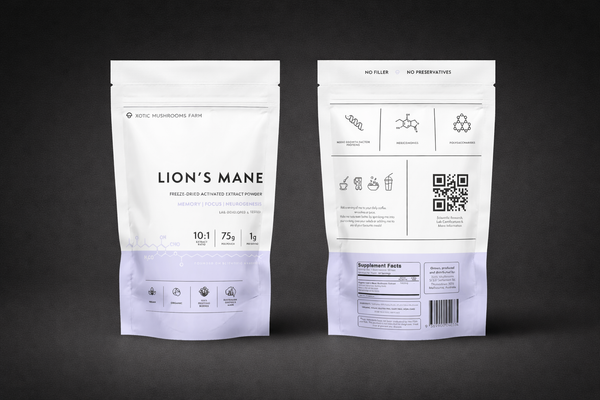
Packaging Considerations for Lion’s Mane ExtractPackaging plays a critical role in maintaining the quality and performance of Lion’s Mane extract. While formulation and...
20 August 2026
Packaging Considerations for Lion’s Mane ExtractPackaging plays a critical role in maintaining the quality and performance of Lion’s Mane extract. While formulation and...
 20 August 2026
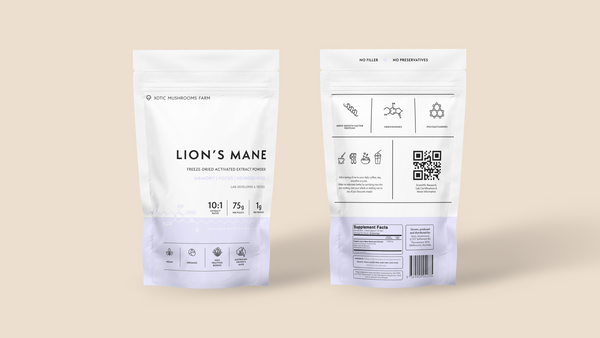
Shelf Stability of Lion’s Mane Extract PowderShelf stability plays a central role in how well a Lion’s Mane extract powder performs over time. For...
20 August 2026
Shelf Stability of Lion’s Mane Extract PowderShelf stability plays a central role in how well a Lion’s Mane extract powder performs over time. For...
 20 August 2026
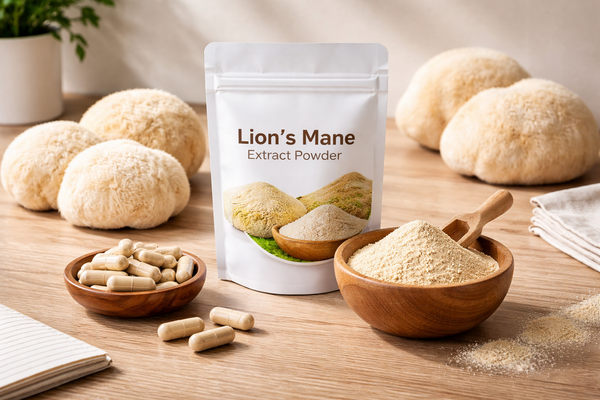
Lion’s Mane Powder for Nootropic Supplement LinesNootropic supplements have become one of the fastest growing segments within the nutraceutical industry. These products are commonly...
20 August 2026
Lion’s Mane Powder for Nootropic Supplement LinesNootropic supplements have become one of the fastest growing segments within the nutraceutical industry. These products are commonly...
Get supply and pricing updates
Product specs, new extract batches, and bulk pricing for supplement brands and distributors.