Using Lion’s Mane Extract Powder in Functional Foods

Functional food development places different demands on ingredients than supplement manufacturing. Stability, taste compatibility, processing tolerance, and repeatable behaviour across production runs matter as much as functional positioning.
Ingredients that work well in capsules often struggle once exposed to heat, moisture, or complex food matrices. Lion’s Mane extract powder has gained traction in functional foods not because of trend appeal, but because it integrates more reliably into food systems than many medicinal mushrooms.
Its solubility, sensory neutrality, and controlled inclusion rates make it a practical option for manufacturers seeking consistent, scalable functional food products.
Why Lion’s Mane Extract Powder Works in Functional Food Applications
When selecting functional ingredients for food, performance in real manufacturing conditions is critical. Lion’s Mane extract powder stands out because it aligns well with the technical realities of food formulation rather than requiring workarounds:
1. Solubility and Dispersibility in Food Matrices
In functional foods, poor dispersion quickly leads to uneven dosing, texture defects, and inconsistent product quality. Lion’s Mane extract powder disperses more evenly than whole mushroom powders because insoluble fibrous material has been reduced during processing. This allows it to integrate more smoothly into liquids, semi-solids, and dry blends.
In beverages, drink mixes, and soft foods, this improved dispersibility helps maintain uniformity across batches. It also reduces sedimentation issues, which are a common challenge with whole mushroom formats. For manufacturers, better dispersion translates into more predictable outcomes and fewer adjustments during scale-up.
2. Neutral Sensory Profile Compared to Other Medicinal Mushrooms
Taste and aroma are often the limiting factors when introducing medicinal mushrooms into food. Many mushrooms bring bitterness, earthiness, or lingering aftertastes that require aggressive masking. Lion’s Mane extract powder has a comparatively mild sensory profile, making it easier to incorporate without overpowering the base product.
This neutrality allows formulators to focus on flavour development rather than damage control. It also reduces reliance on sweeteners, flavours, or masking agents, which can complicate ingredient lists and increase costs. For functional foods aimed at repeat consumption, maintaining a clean and familiar taste profile is essential.
3. Lower Inclusion Rates Without Compromising Function
Functional food formulations must balance efficacy with palatability. High inclusion rates can negatively affect texture, flavour, and appearance. Because Lion’s Mane extract powder is more concentrated than whole mushroom powder, it allows manufacturers to achieve functional positioning at lower inclusion levels.
Lower inclusion rates reduce the risk of sensory impact while also simplifying formulation. This is particularly valuable in foods with tight flavour or texture tolerances, such as beverages, bars, and dairy alternatives. From a manufacturing perspective, smaller inclusion levels also improve dosing accuracy and reduce variability.
4. Stability Through Processing and Shelf Life
Functional foods are often exposed to heat, moisture, and mechanical stress during production. Ingredients that degrade under these conditions can compromise product consistency. Lion’s Mane extract powder demonstrates good stability when processing parameters are controlled, maintaining performance through mixing, heating, and drying stages.
This stability extends into shelf life. When properly formulated, Lion’s Mane extract powder supports consistent performance over time, reducing the risk of flavour drift, separation, or functional degradation. For manufacturers, this reliability simplifies shelf life validation and reduces the likelihood of post-launch quality issues.
Functional Food Categories Where Lion’s Mane Performs Best

Not all food formats place the same demands on functional ingredients. Lion’s Mane extract powder performs particularly well in categories where consistency, mild flavour, and controlled dosing are essential:
1. Beverages and Drink Mixes
Ready-to-drink beverages, functional waters, and powdered drink mixes benefit from Lion’s Mane’s dispersibility and neutral taste. Lower inclusion rates help maintain clarity and mouthfeel, while stable behaviour reduces settling and separation.
2. Bars, Bites, and Snack Formats
In bars and snack products, texture and binding are critical. Lion’s Mane extract powder integrates more cleanly than fibrous whole mushroom powders, helping maintain desired textures without grit or dryness. Controlled dosing also supports consistent bite-to-bite experience.
3. Dairy and Dairy-Alternative Products
Yoghurt, fermented products, and plant-based dairy alternatives require ingredients that do not interfere with texture or fermentation processes. Lion’s Mane extract powder can be incorporated without significantly altering viscosity or mouthfeel when used at appropriate levels.
4. Baked Goods and Shelf-Stable Foods
Heat exposure during baking challenges many functional ingredients. Lion’s Mane extract powder tolerates controlled baking conditions better than whole mushroom formats, making it suitable for shelf-stable applications where flavour and texture must remain consistent.
Formulation Considerations for Food Manufacturers
Successful use of Lion’s Mane extract powder depends on thoughtful formulation rather than simple substitution. Here are a few things to consider:
- Inclusion Levels and Sensory Thresholds: Determining the correct inclusion level is essential. While extract powder allows lower dosing, exceeding sensory thresholds can still affect flavour or texture. Pilot testing across inclusion ranges helps identify optimal balance points.
- Interaction With Other Functional Ingredients: Functional foods often contain proteins, fibres, sweeteners, and emulsifiers. Lion’s Mane extract powder generally integrates well with these components, but interactions should be assessed to avoid changes in viscosity, solubility, or flavour release.
- Flow Properties and Handling in Production: In dry blending and dosing operations, flow behaviour matters. Extract powder with controlled particle size and moisture content supports consistent handling, reducing clumping and dosing variation during manufacturing.
Regulatory and Labelling Considerations in Functional Foods

Functional foods operate under regulatory frameworks that differ significantly from supplements, which makes early classification decisions critical. Ingredient naming, food category placement, and permitted claims must be aligned from the outset to avoid reformulation or relabelling later in development.
Lion’s Mane extract powder is typically treated as a food ingredient when used within appropriate inclusion levels and formats, but this distinction depends on how the product is positioned and marketed.
Clear supplier documentation, consistent specifications, and traceable manufacturing processes support smoother regulatory review and reduce ambiguity during compliance checks. For food manufacturers, this clarity helps ensure labels remain accurate across production runs and markets.
Regulatory confidence also supports retailer acceptance and reduces the risk of post-launch challenges that can disrupt supply or damage brand credibility.
Common Mistakes When Using Lion’s Mane in Functional Foods
Even well-suited ingredients can fail in food applications when formulation assumptions go unchecked. Below are the most common mistakes that prevent Lion’s Mane extract powder from performing as intended in functional foods:
- Using Whole Mushroom Powder Instead of Extract: Whole mushroom powders introduce fibre, texture, and flavour challenges that are difficult to manage in food systems. Extract powder is better suited for controlled food applications.
- Overloading Formulations: Excessive inclusion undermines taste, texture, and consumer acceptance. Functional foods succeed when functionality complements, rather than dominates, the eating experience.
- Treating Food Formulation Like Supplement Formulation: Food systems respond differently to ingredients. Assuming capsule-style behaviour leads to instability and inconsistent results.
Premium vs Commodity Lion’s Mane Extracts in Food Applications

What looks similar at the specification stage can behave very differently once real food production begins. The table below highlights how premium and commodity Lion’s Mane extracts diverge during manufacturing, scale-up, and shelf life:
| Aspect | Commodity Lion’s Mane Extracts | Premium Lion’s Mane Extracts |
|---|---|---|
| Specification Fit | Often meets basic specs on paper | Meets specs with tighter internal tolerances |
| Behaviour in Food Matrices | Variable performance once incorporated into foods | Predictable behaviour across different food systems |
| Taste and Sensory Impact | Greater risk of flavour drift or off-notes between batches | Stable, consistent sensory profile batch to batch |
| Solubility and Dispersion | Inconsistent dispersion, higher risk of separation or sediment | Reliable dispersion with uniform distribution |
| Processing Stability | More sensitive to heat, moisture, and processing stress | Better tolerance through processing and storage |
| Impact on Manufacturing | Increased rework, reformulation, and quality intervention | Reduced waste, fewer adjustments during scale-up |
| Shelf-Life Performance | Higher risk of variability over time | More stable shelf-life and performance consistency |
| Suitability for Scale | Adequate for short runs or low volumes | Designed for long-term, high-volume food manufacturing |
Implications for Brands, Food Manufacturers and Co-Packers Entering the Functional Food Space
For brands, functional foods succeed when consumers experience the same taste, texture, and performance every time. Ingredients that behave predictably support repeat purchase and long-term trust, which is far more valuable than novelty-driven launches.
Premium Lion’s Mane extracts make it easier to maintain that consistency across product lines and formats, simplifying portfolio expansion. From a manufacturing and co-packing perspective, reliable ingredients reduce production interruptions, minimise quality interventions, and support efficient scheduling.
Stable supply and consistent specifications allow co-packers to plan confidently, reducing downtime and cost overruns. Together, these factors create smoother collaboration between brands and manufacturers, lower operational risk, and support scalable growth within competitive functional food markets.
Building Functional Foods With Confidence
Functional food manufacturing rewards ingredients that work quietly and reliably behind the scenes. Xotic Mushrooms supplies food-grade Lion’s Mane extract powder developed for real-world food applications, with controlled quality, consistent performance, and scalable supply.
If you are developing beverages, snacks, or shelf-stable functional foods, partner with Xotic Mushrooms to secure Lion’s Mane extract that supports clean flavour, stable processing, and long-term manufacturing confidence.
Source Lion's Mane extract powder at scale
Consistent extract quality, full testing, and white label supply built for growing brands.
Talk to our supply teamRelated articles
 27 July 2026
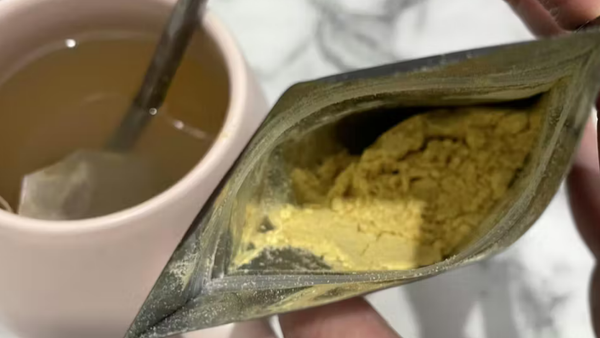
How Lion’s Mane Powder Is Used in Beverage FormulationsFunctional beverages place unique demands on ingredients. Unlike capsules or dry blends, liquids expose formulation weaknesses quickly through...
27 July 2026
How Lion’s Mane Powder Is Used in Beverage FormulationsFunctional beverages place unique demands on ingredients. Unlike capsules or dry blends, liquids expose formulation weaknesses quickly through...
 17 November 2025
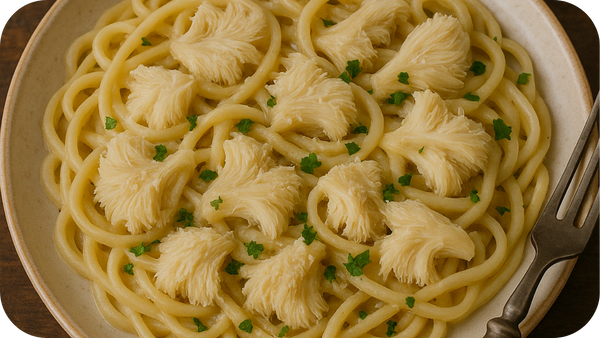
Creamy Lion's Mane Mushroom Pasta with Parmesan and Herbs– You Won’t Believe How Good It Is!Tired of bland vegetarian pasta dishes? Many meat-free options need more depth of flavour and satisfying texture found...
17 November 2025
Creamy Lion's Mane Mushroom Pasta with Parmesan and Herbs– You Won’t Believe How Good It Is!Tired of bland vegetarian pasta dishes? Many meat-free options need more depth of flavour and satisfying texture found...
 17 November 2025
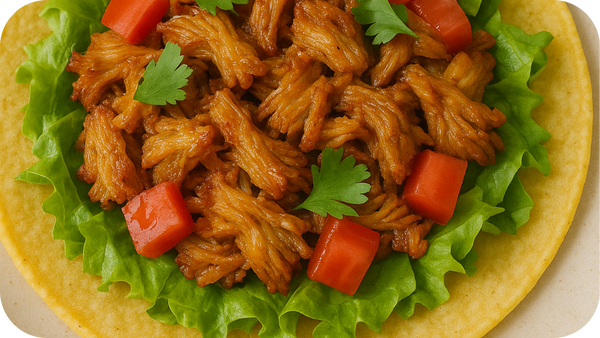
The Lion's Mane Mushroom Taco Recipe That Will Delight Your Taste Buds!The Lion's Mane Mushroom Taco Recipe is a unique, yet delicious way to enjoy your favorite Mexican food. ...
17 November 2025
The Lion's Mane Mushroom Taco Recipe That Will Delight Your Taste Buds!The Lion's Mane Mushroom Taco Recipe is a unique, yet delicious way to enjoy your favorite Mexican food. ...
Get supply and pricing updates
Product specs, new extract batches, and bulk pricing for supplement brands and distributors.