Lion’s Mane vs Other Medicinal Mushrooms for Brands

Medicinal mushrooms have moved from niche ingredients into mainstream supplement and functional product portfolios. For brands, this growth has created a new challenge. The question is no longer whether to use medicinal mushrooms, but which ones make sense from a commercial, formulation, and long-term brand strategy perspective.
Lion’s Mane is often positioned as a leading option, particularly in cognitive and nootropic products. However, it exists alongside other well-known medicinal mushrooms such as Reishi, Cordyceps, Chaga, Turkey Tail, and Shiitake. Each carries distinct advantages and limitations that affect how brands design products, manage supply chains, and position themselves in competitive markets.
This article provides a head-to-head comparison, examining Lion’s Mane against other medicinal mushrooms based on functional positioning, manufacturing practicality, scalability, and brand flexibility.
How Brands Should Evaluate Medicinal Mushrooms
Before comparing specific mushrooms, it is important to define how brands should evaluate them. Medicinal mushroom selection is a strategic decision that affects multiple layers of a business.
Brands must consider:
- Functional positioning and category fit: Ensures the mushroom clearly supports the intended product category without forcing unclear or overlapping brand narratives.
- Manufacturing and formulation complexity: Assesses how easily the ingredient integrates into capsules, powders, or blends without excessive excipients or processing steps.
- Ingredient consistency and standardisation: Determines whether active compounds can be measured and repeated reliably across batches for stable product performance.
- Supply chain reliability and scalability: Evaluates sourcing stability, cultivation maturity, and the ability to scale production without quality or availability issues.
- Regulatory clarity and labelling implications: Considers how easily the ingredient can be declared, substantiated, and sold across target markets.
- Consumer recognition without trend dependence: Balances familiarity and credibility while avoiding ingredients driven by short-lived hype cycles.
When these factors are applied consistently, clear differences emerge between Lion’s Mane and other medicinal mushrooms.
Head-to-Head Medicinal Mushroom Comparisons for Brand Strategy

Choosing the right medicinal mushroom is not about following category trends, but about understanding how each option performs when evaluated side by side. The comparisons below examine Lion’s Mane against other leading medicinal mushrooms from a brand, formulation, and scalability perspective, highlighting where each ingredient strengthens or limits product strategy:
1. Lion’s Mane vs Reishi for Brands
Lion’s Mane and Reishi serve very different roles in brand portfolios, despite both being classified as medicinal mushrooms. Lion’s Mane is primarily positioned around cognition, focus, and nervous system support, which naturally aligns it with daytime use, productivity products, and long-term brain health categories. This makes it suitable for brands targeting performance, clarity, and ongoing mental resilience.
Reishi, by contrast, is positioned around stress modulation, relaxation, sleep support, and immune balance. It is commonly associated with evening routines and calming formulations. From a brand strategy perspective, Lion’s Mane fits performance-oriented and daytime portfolios, while Reishi aligns more closely with recovery, calm, and sleep-focused product lines.
From a formulation standpoint, Lion’s Mane extracts generally have a neutral sensory profile and integrate smoothly into capsules, powders, and blended formulations. This reduces formulation constraints and limits the need for flavour masking or additional excipients. Reishi presents more challenges due to its bitterness and dense triterpene content, often requiring taste masking, higher excipient use, and additional processing considerations.
Strategically, Lion’s Mane supports productivity and cognitive performance narratives that are relatively easy to integrate into modern wellness branding. Reishi often requires clearer consumer education around balance, calm, and long-term use. As a result, brands frequently select Lion’s Mane for accessibility and scalability, while positioning Reishi as a niche or complementary ingredient.
2. Lion’s Mane vs Cordyceps for Brands

Lion’s Mane and Cordyceps occupy fundamentally different functional and commercial positions. Lion’s Mane supports long-term neurological and cognitive positioning, typically framed around focus, memory, and mental clarity. Its effects are cumulative and non-stimulating, making it suitable for daily use products aimed at sustained performance.
Cordyceps is positioned around energy, endurance, and physical performance, particularly within sports and active lifestyle categories. It is often associated with immediate or short-term performance benefits rather than long-term neurological support. From a brand perspective, these mushrooms serve distinct purposes and are rarely interchangeable.
Manufacturing and scaling considerations further differentiate the two. Lion’s Mane benefits from established cultivation and extraction infrastructure, resulting in relatively stable and predictable supply chains. Cordyceps sourcing can be more complex, particularly when avoiding synthetic or highly processed variants. Cost volatility and sourcing transparency are more common challenges with Cordyceps.
In terms of portfolio flexibility, Lion’s Mane can be deployed across cognitive, wellness, and foundational supplement lines. Cordyceps tends to remain confined to energy or performance-specific SKUs. For brands building broad and cohesive portfolios, Lion’s Mane offers greater reuse and long-term adaptability.
3. Lion’s Mane vs Chaga for Brands
Lion’s Mane and Chaga differ significantly in both positioning and operational reliability. Lion’s Mane focuses on brain and nervous system support, aligning it with cognitive performance and mental wellbeing categories. Chaga is positioned primarily around antioxidant activity and immune defence, resulting in a narrower functional narrative.
From a supply chain perspective, Lion’s Mane is widely cultivated under controlled conditions, supporting consistent output, traceability, and scalable production. Chaga is predominantly wild-harvested, which introduces supply limitations, sustainability concerns, and higher batch variability. These factors increase procurement risk for brands operating at scale or across multiple markets.
Commercially, Lion’s Mane supports standardisation and repeatable specifications, which are critical for consistent product performance. Chaga variability can complicate standardisation efforts, increasing quality assurance demands and limiting scalability. Brands prioritising consistency, documentation, and long-term growth often favour Lion’s Mane for these reasons.
4. Lion’s Mane vs Turkey Tail for Brands

Lion’s Mane and Turkey Tail appeal to different brand strategies and product categories. Lion’s Mane is positioned around cognition and nervous system support, making it well suited to productivity and mental performance products. Turkey Tail is positioned around gut health and immune modulation, largely due to its polysaccharide content.
Formulation behaviour is a key differentiator. Lion’s Mane extracts generally require lower inclusion rates and integrate well into capsules, powders, and blends without significantly affecting texture or sensory properties. Turkey Tail is fibre-dense and often requires higher inclusion rates, which can increase capsule size, affect mouthfeel, and complicate blending.
From a brand strategy standpoint, Turkey Tail often requires stronger educational messaging to clearly communicate its value to consumers. Lion’s Mane benefits from higher baseline consumer recognition in supplement contexts, making it easier to position across both premium and mainstream markets with fewer educational barriers.
5. Lion’s Mane vs Shiitake and Culinary Medicinal Mushrooms
Lion’s Mane and culinary medicinal mushrooms such as Shiitake differ in functional intent and brand perception. Lion’s Mane is selected for extract-driven functional density, allowing it to serve as a primary active ingredient in supplements designed around specific performance outcomes.
Shiitake and similar mushrooms are primarily food-based and offer lower concentrations of target compounds in supplement formats. While they retain nutritional value, their functional density is generally insufficient for use as a central active ingredient in performance-oriented supplements.
From a manufacturing and branding perspective, Lion’s Mane functions as a purpose-built supplement ingredient. Shiitake typically plays a supporting or nutritional role rather than serving as a functional centrepiece. Its strong culinary association can dilute perceived supplement efficacy, leading brands seeking clear functional identity to favour Lion’s Mane.
Manufacturing and Formulation Comparison Across Medicinal Mushrooms

Across all medicinal mushrooms, Lion’s Mane consistently ranks high in:
- Extraction efficiency: Performs reliably during water or dual extraction, delivering consistent compound concentration with minimal processing variability.
- Solubility and stability: Integrates smoothly into capsules, powders, and blends while maintaining stability across storage and handling conditions.
- Lower inclusion rate requirements: Achieves functional positioning at smaller dosages, supporting manageable capsule sizes and efficient formulations.
- Standardisation feasibility: Allows active compounds to be measured, documented, and repeated consistently across production batches.
- Reduced QA and formulation burden: Minimises reformulation, corrective actions, and quality assurance complexity compared to less predictable mushroom inputs.
Other mushrooms may outperform Lion’s Mane in specific niches, but often introduce trade-offs in manufacturing complexity or scalability.
Which Medicinal Mushroom Fits Different Brand Goals
Different medicinal mushrooms serve different commercial purposes, and selecting the right one depends on how clearly it supports your brand’s positioning, product portfolio, and long-term growth objectives:
- Cognitive and Nootropic Brands: Lion’s Mane is the dominant choice due to its alignment with cognitive positioning, non-stimulating profile, and formulation flexibility.
- Stress, Sleep, and Calm Brands: Reishi offers stronger narrative alignment, despite formulation challenges.
- Performance and Energy Brands: Cordyceps is often preferred, although supply and cost considerations must be managed carefully.
- Broad Wellness Portfolios: Lion’s Mane frequently serves as a foundation ingredient, with other mushrooms layered in for specialised SKUs.
Common Brand-Level Mistakes in Medicinal Mushroom Selection
Brands often make the mistake of selecting mushrooms based on trend momentum rather than operational readiness.
Others over-complicate formulations by combining mushrooms with overlapping roles, diluting clarity and increasing cost.
Ignoring supply chain maturity and standardisation capacity is another frequent error that limits long-term scalability.
Strategic Summary for Brands
No medicinal mushroom is universally superior. Each serves a different strategic role.
Lion’s Mane’s advantage lies in its versatility, manufacturability, and portfolio flexibility. It integrates cleanly into modern supplement formats, supports consistent production, and aligns with high-demand cognitive and wellness categories.
For brands building scalable, compliant, and adaptable product lines, Lion’s Mane often functions as the most reliable starting point, with other medicinal mushrooms used selectively to support specific brand narratives.
Choosing medicinal mushrooms through a head-to-head, brand-strategy lens allows companies to design portfolios that are not only compelling, but commercially sustainable over the long term.
Source Lion's Mane extract powder at scale
Consistent extract quality, full testing, and white label supply built for growing brands.
Talk to our supply teamRelated articles
 28 July 2026
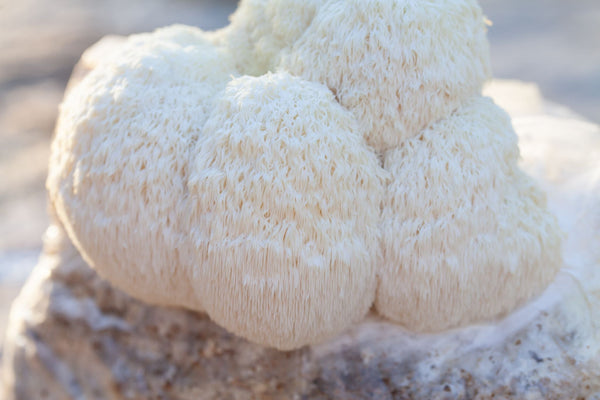
Choosing Lion’s Mane for Premium Extract ManufacturingIn premium extract manufacturing, ingredient choice is not driven by popularity or short-term market trends. It is shaped...
28 July 2026
Choosing Lion’s Mane for Premium Extract ManufacturingIn premium extract manufacturing, ingredient choice is not driven by popularity or short-term market trends. It is shaped...
 27 July 2026
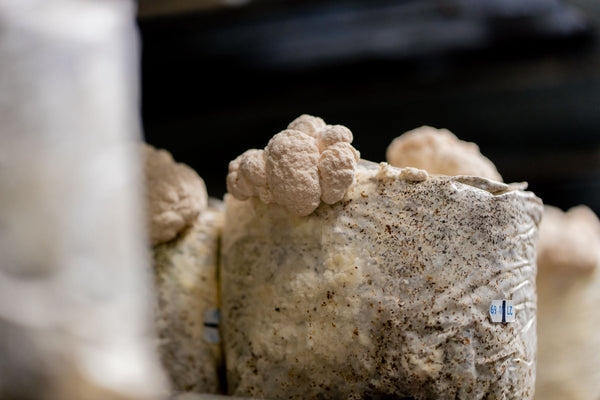
Lion’s Mane Mushroom Characteristics That Matter to BrandsBrands rarely succeed by choosing ingredients based on appeal alone. What matters is how an ingredient performs once...
27 July 2026
Lion’s Mane Mushroom Characteristics That Matter to BrandsBrands rarely succeed by choosing ingredients based on appeal alone. What matters is how an ingredient performs once...
 27 July 2026
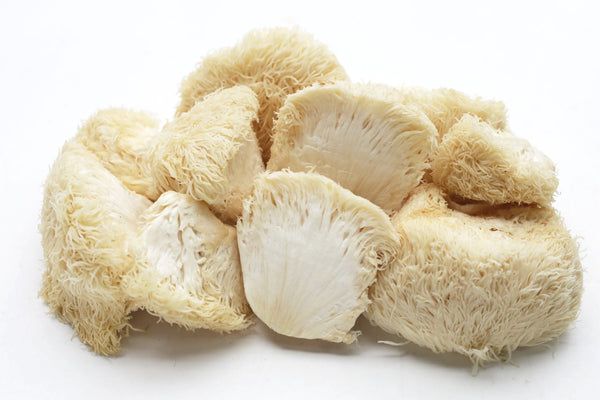
What Makes Lion’s Mane Ideal for Supplement FormulationIn supplement development, ingredient choice is rarely about popularity alone. Many ingredients show promise on paper but fail...
27 July 2026
What Makes Lion’s Mane Ideal for Supplement FormulationIn supplement development, ingredient choice is rarely about popularity alone. Many ingredients show promise on paper but fail...
Get supply and pricing updates
Product specs, new extract batches, and bulk pricing for supplement brands and distributors.