Importing and Sourcing Lion’s Mane Extract in Australia

Demand for Lion’s Mane extract continues to expand across Australian supplement, functional food, and beverage categories. As more brands enter this space, sourcing decisions increasingly influence compliance, formulation stability, and long-term retail viability.
Importing botanical extracts into Australia involves biosecurity oversight, laboratory verification, and regulatory documentation. Alternatively, domestic sourcing may reduce complexity but still requires structured due diligence.
This guide outlines the regulatory landscape, import requirements, procurement risks, and the role of compliant Australian manufacturing in securing reliable Lion’s Mane extract supply.
Understanding the Australian Regulatory Landscape
Lion’s Mane extract may fall under different regulatory frameworks depending on its intended use. If incorporated into functional foods, oversight generally aligns with Food Standards Australia New Zealand requirements. If positioned within listed complementary medicines, Therapeutic Goods Administration considerations may apply.
Labelling compliance, ingredient declarations, and allowable claims differ depending on classification. Brands must determine early whether their product is regulated as a food, supplement, or therapeutic good.
Importantly, documentation must support ingredient identity, safety, and traceability. Without validated laboratory data and structured quality systems, regulatory approval may be delayed or denied.
Understanding these frameworks before sourcing prevents costly reformulation and reclassification later in development.
Biosecurity and Import Controls
Australia maintains strict biosecurity standards for plant-based imports. Mushroom-derived powders are subject to inspection protocols to prevent contamination, pest introduction, or undeclared agricultural material.
Importers may be required to provide documentation confirming processing methods, origin, and treatment conditions. Shipments can be inspected, delayed, or rejected if documentation is incomplete or inconsistent.
Powdered extracts may undergo additional scrutiny where cultivation origin or substrate composition is unclear. Delays at customs can impact launch timelines and inventory planning.
For brands operating on tight release schedules, biosecurity uncertainty becomes a commercial risk factor when relying solely on offshore supply.
Importing Lion’s Mane Extract: Required Documentation

When importing Lion’s Mane extract into Australia, procurement teams should ensure suppliers provide a complete and structured documentation package.
Essential documents typically include:
- Certificate of Analysis for each batch: Confirms potency, safety parameters, and batch-specific laboratory results.
- Certificate of Origin: Verifies the country where the extract was produced and processed.
- Heavy metals and microbial testing results: Demonstrates compliance with safety thresholds for contaminants and pathogens.
- Organic certification documentation: Required if the extract is marketed or labelled as organic.
- Extraction method declaration: Clarifies the concentration process and supports extract ratio transparency.
- Phytosanitary documentation (if required): Supports biosecurity compliance for plant-based imports.
Without comprehensive documentation, shipments may face customs delays, additional inspections, or mandatory local re-testing before commercial use.
Pre-shipment verification significantly reduces downstream compliance complications.
Risks of Offshore Sourcing
Global sourcing can offer competitive pricing, but it introduces operational variables that require careful assessment before entering supply agreements.
Common risks include:
- Limited transparency around cultivation practices: Insufficient visibility into growing conditions and substrate controls can affect raw material consistency.
- Unverified extract ratios: Stated concentration levels may lack laboratory confirmation or documented processing validation.
- Inconsistent beta-glucan density across batches: Variability can impact formulation accuracy and label compliance.
- Documentation issued in non-standard formats: Incomplete or unclear laboratory reports may complicate regulatory review.
- Language barriers affecting technical clarification: Misinterpretation of specifications or testing methods can delay procurement decisions.
- Requirement for additional testing upon arrival: Local re-testing increases cost, extends timelines, and adds compliance complexity.
Variability in substrate quality, environmental controls, and post-harvest handling can directly influence extract consistency.
While offshore sourcing remains commercially viable in many industries, Lion’s Mane extract intended for regulated supplement markets demands higher verification standards. Brands should evaluate total compliance risk rather than focusing solely on unit pricing.
Xotic Mushrooms: Australian-Grown Lion’s Mane Extract Manufacturing

Within the Australian market, Lion’s Mane extract manufacturing includes domestic operations such as Xotic Mushrooms, based in Melbourne.
The company operates a vertical farm located approximately 20 minutes from Melbourne CBD, cultivating mushrooms within controlled Australian growing environments. Lion’s Mane is grown on 100% organic substrate sourced locally within Australia. Production focuses exclusively on fruiting bodies, avoiding mycelium grown on grain fillers.
Extract manufacturing includes a documented 15:1 fruit body concentration ratio. Prior to extraction, mushrooms undergo freeze-drying to preserve structural integrity before further processing. Batch-level laboratory testing is conducted at accredited facilities, with Certificates of Analysis detailing beta-glucan levels, nutritional composition, heavy metals screening, and microbial safety parameters.
Testing documentation is made available to support transparency. Quality assurance practices include structured batch tracking and consistent laboratory verification to support white-label and private-label partners requiring documented compliance.
As an Australian-operated business governed under Australian law, Xotic Mushrooms maintains local accountability, defined return policies, and traceable supply chains. Local cultivation reduces cross-border biosecurity exposure and simplifies communication for procurement teams requiring specification clarification.
The operational emphasis remains on fruit body purity, laboratory transparency, and documented production standards suitable for commercial formulation rather than marketing positioning.
Local Australian Sourcing Advantages
Domestic sourcing simplifies several layers of regulatory and logistical complexity. Advantages include:
- Reduced biosecurity delays: Domestic production avoids many customs inspections and quarantine disruptions associated with imported botanical powders.
- Shorter supply chains: Fewer intermediaries improve traceability and reduce variability across production cycles.
- Faster lead times: Local manufacturing supports quicker turnaround between order placement and batch dispatch.
- Clearer communication channels: Direct engagement with Australian manufacturers enables timely clarification of specifications and documentation.
- Improved traceability systems: Farm-to-extract oversight strengthens accountability and documentation transparency.
- Alignment with Australian retail expectations: Compliance with local standards simplifies retailer onboarding and audit processes.
- Lower re-testing requirements: Domestic laboratory verification reduces the likelihood of duplicate safety testing upon arrival.
For brands seeking supply stability and documentation clarity, local manufacturing can offer measurable operational advantages.
Evaluating Extract Specifications Before Procurement

Regardless of origin, extract specifications must be reviewed carefully before committing to supply agreements.
Procurement teams should verify:
- Fruit body sourcing: Confirm the extract is derived from 100 percent fruit bodies rather than mycelium grown on grain.
- Extract ratio validation: Ensure the stated concentration, such as 15:1, is supported by documented processing records and laboratory confirmation.
- Beta-glucan testing methodology: Review the analytical method used to measure beta-glucan content and confirm consistency across batches.
- Total polysaccharide reporting clarity: Distinguish clearly between total polysaccharides and specific beta-glucan values.
- Moisture percentage: Verify moisture levels to ensure shelf stability, reduced spoilage risk, and reliable blending performance.
- Batch-to-batch testing frequency: Confirm that every production batch undergoes laboratory testing rather than periodic sampling.
Specification sheets alone are insufficient. Batch-specific Certificates of Analysis provide measurable confirmation of potency and safety. Standardisation supports predictable formulation outcomes and reduces variability in finished product performance.
Organic and GMP Certification Considerations
Organic certification confirms controlled cultivation and processing without prohibited synthetic inputs. For Australian brands positioning products within premium retail channels, organic documentation strengthens credibility.
GMP compliance validates structured manufacturing systems. It confirms adherence to documented Standard Operating Procedures, hygiene controls, and quality management processes.
HACCP frameworks address food safety risks, particularly relevant for Lion’s Mane extracts incorporated into beverages or food-based formulations.
Certification alignment supports retailer onboarding, export readiness, and regulatory audit preparation.
Before signing a supply agreement, brands should request copies of current certifications and confirm their scope covers both cultivation and extraction.
Cost vs Compliance: Hidden Factors in Import Pricing

Lower base pricing does not always translate into lower total procurement cost. Several compliance-driven variables can affect overall landed cost.
Key factors to consider include:
- Customs clearance delays: Incomplete or inconsistent documentation may result in inspections, storage fees, or shipment holds.
- Additional laboratory testing in Australia: Imported batches may require local re-testing to meet regulatory or retailer standards.
- Currency fluctuations: Exchange rate volatility can alter final cost between order placement and payment.
- Extended shipping timelines: Longer transit periods increase inventory planning complexity and working capital requirements.
- Inventory holding costs: Delays or bulk ordering to offset shipping expenses may increase storage and cash flow pressure.
- Reformulation expenses: Variability in extract potency or composition can lead to re-labelling, re-formulation, or compliance adjustments.
Total landed cost should account for compliance certainty, documentation reliability, and supply chain stability rather than unit price alone.
Building a Reliable Supply Agreement
Long-term sourcing stability depends on structured agreements and clearly documented expectations.
Key considerations include:
- Minimum order quantities aligned with production capacity: Ensure supply volume matches manufacturing capability and projected brand demand.
- Batch-level testing for every shipment: Require documented Certificates of Analysis for each production lot.
- Clear specification tolerance ranges: Define acceptable potency, moisture, and safety parameter limits within the contract.
- Defined lead times: Establish realistic production and dispatch timelines to support inventory planning.
- Transparent documentation access: Confirm ongoing access to certifications, testing reports, and quality system summaries.
- Contingency planning for supply disruptions: Include provisions addressing unexpected production or logistics interruptions.
Consistent communication and documented quality systems form the foundation of durable supply relationships. For white-label brands, extract consistency directly influences capsule fill weight accuracy, blend formulation precision, and label compliance.
Sustainability and Responsible Sourcing Considerations

Mature supplement markets increasingly evaluate environmental responsibility alongside product quality.
Responsible Lion’s Mane manufacturing may incorporate:
- Controlled cultivation environments: Managed growing conditions that optimise resource use and reduce contamination risk.
- Substrate management practices: Careful selection and handling of growth media to minimise waste and environmental impact.
- Energy-efficient drying systems: Processing methods designed to reduce energy consumption during dehydration and extraction.
- Waste minimisation protocols: Structured systems to reduce by-product waste and improve operational efficiency.
- Sustainable packaging strategies: Use of materials and packaging formats that reduce environmental footprint where commercially viable.
Domestic production can reduce transportation-related emissions and simplify oversight of agricultural practices. While sustainability claims should remain evidence-based, documented environmental controls contribute to long-term brand credibility and responsible market positioning.
Conclusion
Importing and sourcing Lion’s Mane extract in Australia requires structured evaluation of regulatory frameworks, documentation standards, and supply chain transparency. Biosecurity compliance, laboratory verification, and certification alignment directly influence commercial risk.
Brands entering the Lion’s Mane category should prioritise documented potency testing, traceability, and batch-level COAs before finalising procurement decisions. Compliance-first sourcing establishes the foundation for stable formulation, retail approval, and sustainable growth within the Australian supplement market.
Source Lion's Mane extract powder at scale
Consistent extract quality, full testing, and white label supply built for growing brands.
Talk to our supply teamRelated articles
 28 July 2026
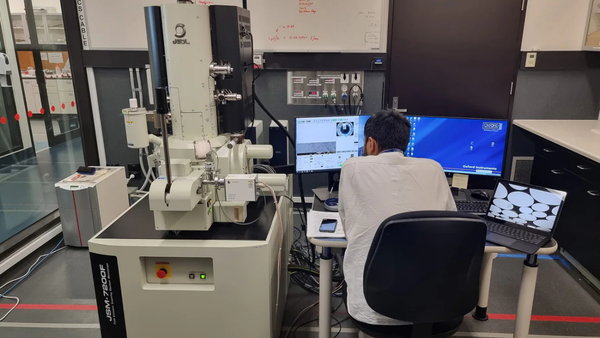
COAs and Testing for Lion’s Mane Extract ProductsAs Lion’s Mane extract continues to gain traction across supplements and functional formulations, laboratory transparency has become central...
28 July 2026
COAs and Testing for Lion’s Mane Extract ProductsAs Lion’s Mane extract continues to gain traction across supplements and functional formulations, laboratory transparency has become central...
 28 July 2026
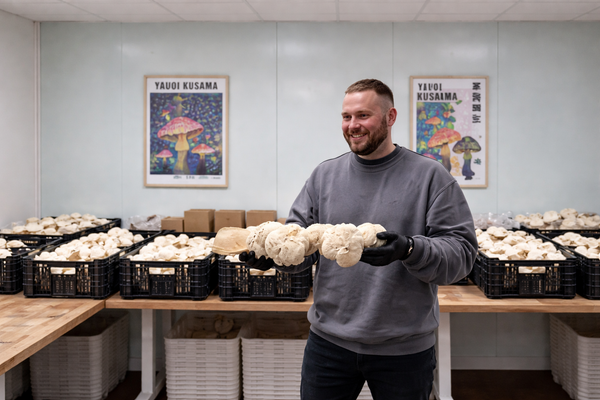
Certifications to Expect from Lion’s Mane ManufacturersAs demand for Lion’s Mane extract continues to grow across supplements and functional food sectors, regulatory scrutiny has...
28 July 2026
Certifications to Expect from Lion’s Mane ManufacturersAs demand for Lion’s Mane extract continues to grow across supplements and functional food sectors, regulatory scrutiny has...
 27 July 2026
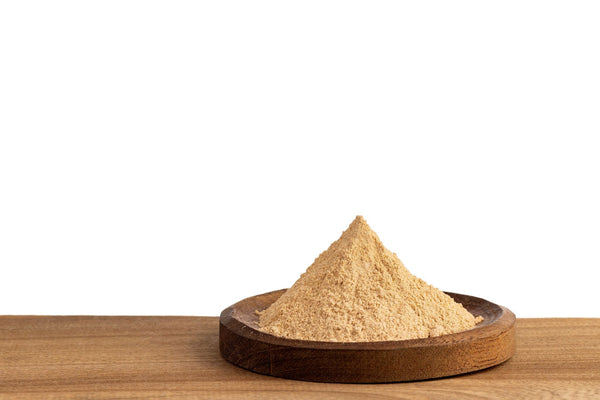
Bulk Lion’s Mane Extract Powder for Private LabelFunctional mushroom products are booming, with consumers increasingly seeking nootropic and wellness benefits. For private-label brands, the challenge...
27 July 2026
Bulk Lion’s Mane Extract Powder for Private LabelFunctional mushroom products are booming, with consumers increasingly seeking nootropic and wellness benefits. For private-label brands, the challenge...
Get supply and pricing updates
Product specs, new extract batches, and bulk pricing for supplement brands and distributors.