Certifications to Expect from Lion’s Mane Manufacturers

As demand for Lion’s Mane extract continues to grow across supplements and functional food sectors, regulatory scrutiny has intensified alongside it. Brands entering this category face increasing expectations around traceability, ingredient safety, and documented manufacturing controls.
Certifications are not decorative marketing features. They are structural safeguards that protect product integrity, retail compliance, and brand reputation. For companies sourcing bulk Lion’s Mane extract powder, understanding which certifications matter is essential before entering any white-label agreement.
This guide outlines the core certifications serious Lion’s Mane manufacturers should hold and explains how they support commercial credibility and long-term brand stability.
1. Organic Certification: Verifying Cultivation Standards
Organic certification is particularly relevant for Lion’s Mane extract because cultivation conditions directly influence raw material purity.
Certified organic status confirms that Lion’s Mane fruit bodies are grown without synthetic pesticides, herbicides, or prohibited chemical inputs. It also ensures adherence to controlled substrate standards and documented farming practices.
However, organic integrity does not end at harvest. Processing, drying, extraction, and packaging must also comply with organic handling requirements. Chain-of-custody documentation ensures that organic raw materials are not compromised during manufacturing.
For Australian-grown Lion’s Mane, organic certification bodies provide verification aligned with national standards. This documentation is especially important for brands targeting premium retail channels where organic labelling is scrutinised.
When evaluating a supplier, brands should confirm that organic certification covers both cultivation and post-harvest processing stages.
2. GMP Certification: Manufacturing Control and Process Integrity
Good Manufacturing Practice, commonly referred to as GMP, forms the backbone of responsible supplement and food ingredient production.
GMP certification confirms that a facility operates under structured Standard Operating Procedures, documented hygiene controls, staff training protocols, and controlled production environments. It ensures that every stage of extraction and powder processing is traceable and repeatable.
In Lion’s Mane extraction, GMP compliance supports:
- Controlled extraction temperatures and solvent systems
- Clean-room handling standards
- Equipment sanitation validation
- Lot tracking and documentation
For brands entering pharmacy, practitioner, or export markets, GMP alignment is often mandatory. Retailers and distributors routinely request GMP evidence before onboarding new products.
Without GMP certification, even high-quality raw materials may fail to meet downstream compliance requirements.
3. HACCP and Food Safety Compliance

Hazard Analysis and Critical Control Points, or HACCP, is a preventative food safety system that identifies and manages potential contamination risks during production.
In mushroom extract manufacturing, HACCP protocols address risks such as:
- Microbial contamination during drying
- Cross-contamination during milling
- Moisture control to prevent spoilage
- Handling controls during packaging
Rather than reacting to contamination after it occurs, HACCP establishes monitoring points throughout the process. Each critical control point is documented and verified.
For Lion’s Mane extract used in functional beverages, powders, or food-based applications, HACCP compliance ensures that ingredient safety aligns with food-grade production expectations.
Brands developing white-label products should confirm that their supplier operates under a documented HACCP plan with ongoing monitoring records.
4. ISO Certifications and Structured Quality Systems
While GMP focuses on manufacturing practices, ISO certifications address broader quality management systems.
ISO 9001, for example, validates structured quality control processes, internal auditing systems, corrective action procedures, and continuous improvement frameworks. ISO 22000 extends this to food safety management systems.
For Lion’s Mane manufacturers, ISO alignment demonstrates that quality control is not informal. It is systematised, documented, and subject to review.
International brands often prioritise ISO-certified suppliers because these systems align with global compliance frameworks. Export documentation, batch consistency records, and audit readiness become easier to manage when ISO structures are embedded in operations.
Although ISO certification is not legally mandatory in all markets, it signals operational maturity and long-term manufacturing stability.
5. Certificates of Analysis: Batch-Level Verification

A Certificate of Analysis, commonly referred to as a COA, provides batch-specific laboratory verification of extract composition and safety.
For Lion’s Mane extract powder, a comprehensive COA should include:
- Beta-glucan percentage
- Total polysaccharide content
- Moisture levels
- Microbial testing results
- Heavy metals screening
- Contaminant analysis
Batch-level COAs confirm that each production run meets declared specifications. This is particularly important for standardised extracts, such as a documented 15:1 fruit body extract.
Third-party laboratory verification adds further credibility. Independent testing reduces bias and strengthens compliance documentation for finished-product registration.
Brands formulating capsules or powders rely on predictable active compound density. Without consistent COA documentation, formulation accuracy becomes uncertain.
6. Australian-Grown Verification and Traceability
Local cultivation provides several compliance advantages. Australian-grown Lion’s Mane benefits from controlled agricultural standards, biosecurity oversight, and reduced supply chain complexity.
Traceability systems document the journey from cultivation through drying, extraction, and packaging. Each batch can be linked back to a specific production cycle, providing accountability and supply transparency.
For white-label partners, this traceability reduces variability caused by seasonal fluctuations or multi-country sourcing models.
Australian cultivation also supports quality assurance claims around controlled growing environments and substrate management.
When assessing a manufacturer, brands should request documentation demonstrating farm-to-extract traceability, not just raw ingredient purchase invoices.
7. Freeze-Dried Processing and Extract Ratio Verification

Extraction method and ratio documentation are frequently misunderstood in the mushroom sector.
A stated extract ratio, such as 15:1, must be supported by verifiable processing records. This ratio indicates the concentration of raw fruit body material relative to final extract yield.
Freeze-drying plays an important role in preserving structural integrity before extraction. Controlled drying minimises thermal degradation and supports stable bioactive retention.
However, ratio claims without laboratory confirmation are insufficient. Brands should request both processing documentation and COA confirmation of bioactive levels.
Standardised extraction ensures consistent polysaccharide density across batches, supporting reliable formulation and label accuracy.
8. Export and International Compliance Considerations
Brands intending to scale beyond Australia must consider international regulatory frameworks.
The United States requires adherence to FDA dietary supplement guidelines. European markets impose additional traceability and labelling standards. Asia-Pacific regions maintain their own import documentation requirements.
A certified manufacturer familiar with export compliance reduces administrative friction. Properly structured documentation, validated testing methods, and clear batch records streamline cross-border trade.
When sourcing Lion’s Mane extract for international markets, brands should verify that their supplier can provide export-ready documentation packages aligned with target jurisdictions.
Why Certifications Matter in Lion’s Mane Extract Manufacturing
Lion’s Mane extract is incorporated into capsules, powders, beverages, and functional blends. Once it enters a brand’s formulation pipeline, responsibility for safety, labelling accuracy, and batch consistency rests with the finished-product company.
Key reasons certifications matter:
- Liability protection for finished brands: If contamination, mislabelling, or batch inconsistency occurs, the retail brand carries regulatory and financial responsibility. Certified suppliers reduce this exposure.
- Structured production controls: Certifications confirm that extraction, drying, milling, and packaging follow documented Standard Operating Procedures rather than informal processes.
- Validated quality systems: Formal quality management frameworks ensure batch tracking, corrective action procedures, and continuous monitoring.
- Operational confidence for white-label partners: Clear documentation supports predictable formulation outcomes and smoother product development.
- Regulatory and export readiness: Certified facilities are better positioned to meet retailer audits, export documentation standards, and food or supplement compliance requirements.
- Objective supplier evaluation: Procurement teams can assess documented systems and certifications rather than relying on marketing language.
In commercial terms, certifications function as risk management tools. They help brands build products on verified manufacturing foundations rather than assumptions.
Red Flags When Evaluating Lion’s Mane Manufacturers

Not all mushroom extract suppliers operate within structured compliance systems. Brands should approach supplier selection with a defined due diligence framework.
Common red flags include:
- Absence of third-party laboratory testing: No independent verification of beta-glucans, polysaccharides, heavy metals, or microbial limits raises immediate compliance concerns.
- Outdated or incomplete certifications: Expired GMP, organic, or food safety documentation suggests weak quality oversight or inconsistent regulatory alignment.
- Vague extraction ratio claims: Statements such as “high potency extract” without documented ratio validation or lab confirmation reduce formulation reliability.
- No documented traceability: Inability to track batches from cultivation through extraction increases supply chain risk and limits accountability.
- Inconsistent batch testing records: Missing or irregular COAs indicate poor process control and unreliable standardisation.
Marketing language alone should never substitute for documentation. Procurement teams should request copies of current certifications, recent batch-level COAs, and quality management summaries before entering any supply agreement.
Thorough verification at the sourcing stage protects brands from regulatory exposure and long-term product instability.
How Certification Alignment Supports White-Label Development
Certification alignment simplifies product development.
When extract quality is documented and standardised, formulation becomes more predictable. Capsule fill weights, blend ratios, and label declarations can be calculated with greater accuracy.
Retailers and distributors often request certification documentation before onboarding new supplement products. Having validated manufacturing credentials already in place shortens approval timelines.
In addition, compliance documentation reduces risk during regulatory reviews and minimises the likelihood of costly product recalls.
For brands developing Lion’s Mane-based supplements, beverages, or functional blends, sourcing from a certified manufacturer supports long-term operational resilience.
Certification as a Foundation for Responsible Brand Growth
Lion’s Mane extract continues to attract attention across wellness categories. As interest expands, so too does regulatory oversight and consumer scrutiny.
Certifications provide the structural assurance that ingredient quality is controlled, documented, and repeatable. They protect both manufacturers and brand partners from unnecessary risk.
Companies evaluating Lion’s Mane extract suppliers should request full certification documentation, recent batch-level COAs, and traceability records before formulation begins. Responsible sourcing is not an optional step. It is the foundation of sustainable product development in the mushroom extract sector.
Source Lion's Mane extract powder at scale
Consistent extract quality, full testing, and white label supply built for growing brands.
Talk to our supply teamRelated articles
 5 August 2026
Importing and Sourcing Lion’s Mane Extract in AustraliaDemand for Lion’s Mane extract continues to expand across Australian supplement, functional food, and beverage categories. As more...
5 August 2026
Importing and Sourcing Lion’s Mane Extract in AustraliaDemand for Lion’s Mane extract continues to expand across Australian supplement, functional food, and beverage categories. As more...
 28 July 2026
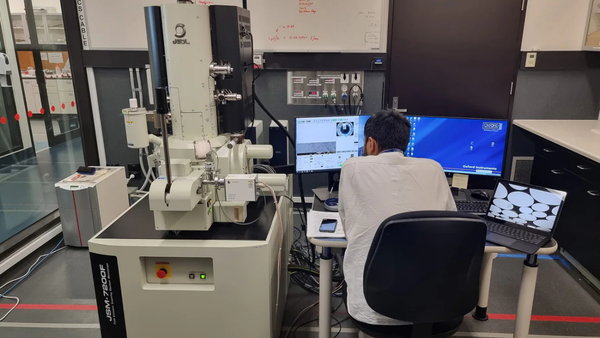
COAs and Testing for Lion’s Mane Extract ProductsAs Lion’s Mane extract continues to gain traction across supplements and functional formulations, laboratory transparency has become central...
28 July 2026
COAs and Testing for Lion’s Mane Extract ProductsAs Lion’s Mane extract continues to gain traction across supplements and functional formulations, laboratory transparency has become central...
 27 July 2026
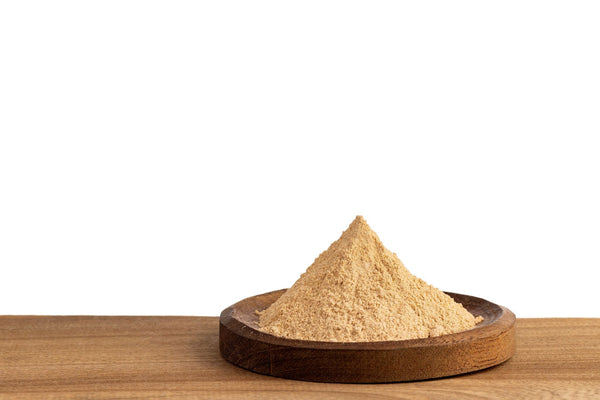
Bulk Lion’s Mane Extract Powder for Private LabelFunctional mushroom products are booming, with consumers increasingly seeking nootropic and wellness benefits. For private-label brands, the challenge...
27 July 2026
Bulk Lion’s Mane Extract Powder for Private LabelFunctional mushroom products are booming, with consumers increasingly seeking nootropic and wellness benefits. For private-label brands, the challenge...
Get supply and pricing updates
Product specs, new extract batches, and bulk pricing for supplement brands and distributors.