Sustainability in Lion’s Mane Extract Production

Sustainability has become a defining consideration in ingredient sourcing across the supplement and functional food sectors. As Lion’s Mane extract gains wider adoption in Australia, procurement teams are evaluating not only potency and compliance, but also environmental impact and supply chain accountability.
Sustainable production is not a positioning layer added after manufacturing. It is determined by cultivation methods, substrate sourcing, processing efficiency, packaging decisions, and distribution logistics.
Environmental responsibility must therefore be assessed across the full production cycle. This analysis outlines how sustainability is being integrated into Lion’s Mane extract manufacturing in Australia and what it means for brands sourcing with long-term stability in mind.
Why Sustainability Matters in Functional Mushroom Manufacturing
Environmental responsibility is increasingly embedded in commercial risk assessment across the supplement sector.
Sustainability matters in Lion’s Mane manufacturing because it:
- Strengthens compliance positioning: Documented sourcing practices support audit readiness and regulatory oversight.
- Supports long-term agricultural viability: Controlled substrate management and efficient resource use protect supply continuity.
- Improves retail acceptance: Transparent environmental standards strengthen distributor and retailer relationships.
- Protects brand reputation: Verifiable sustainability practices reduce reputational exposure.
- Enhances operational resilience: Efficient resource management lowers production volatility and waste risk.
- Influences supplier evaluation: Environmental standards are becoming integrated into procurement frameworks rather than treated as optional positioning.
Sustainable Cultivation Practices in Lion’s Mane Production
Below are the core cultivation practices that influence environmental responsibility in Lion’s Mane extract production:
1. Controlled Indoor Growing Environments
Indoor vertical farming reduces reliance on large-scale land use while enabling precise control of environmental conditions. Regulated airflow, humidity, and temperature reduce contamination risk and improve cultivation consistency. Controlled growing systems allow year-round production cycles with reduced environmental unpredictability.
Such environments minimise exposure to external pollutants and reduce the need for expansive agricultural land clearing. They also support improved traceability from cultivation through harvest. Domestic indoor production aligns with Australia’s biosecurity framework and contributes to more stable supply planning.
2. Organic Substrate Sourcing

Substrate selection plays a central role in both product integrity and environmental impact. The use of organic substrate sourced locally within Australia supports responsible agricultural supply chains and reduces reliance on synthetic inputs. Transparent substrate sourcing improves traceability across the cultivation process.
Responsible substrate management may reduce chemical exposure, increase input visibility, and create opportunities for agricultural waste reuse. When sourced locally, substrate transport emissions may also be reduced. Documented substrate practices contribute to environmental accountability within mushroom cultivation.
3. Water and Energy Management
Water and energy efficiency are core components of sustainable indoor agriculture. Climate-controlled facilities require structured monitoring to balance environmental stability with responsible resource consumption. Careful oversight supports both environmental and operational efficiency.
Efficient irrigation systems, monitored resource usage, and climate optimisation strategies reduce unnecessary energy draw. Continuous evaluation of operational performance supports gradual efficiency improvements. Although indoor cultivation requires energy input, controlled systems can improve predictability and reduce product loss associated with environmental variability.
Environmental Considerations in Extraction and Processing
Here are the key extraction and processing factors that shape the environmental footprint of Lion’s Mane extract production:
1. Freeze-Drying and Processing Efficiency
Freeze-drying prior to extraction supports structural preservation and moisture control. While drying methods require energy, controlled processing reduces spoilage and improves long-term powder stability. Stable pre-extraction handling supports more consistent concentration outcomes.
Processing efficiency contributes to sustainability by reducing product degradation, minimising waste from unstable batches, supporting extended shelf life, and improving formulation reliability. Sustainable production must balance energy consumption with reduced material loss and improved batch consistency.
2. Moisture Control and Shelf Stability

Moisture management directly influences microbial safety and shelf stability. Stable moisture parameters reduce spoilage risk and extend storage performance, decreasing product disposal across the supply chain. Improved shelf life reduces waste during warehousing and distribution.
Controlled moisture levels lower microbial risk, reduce recall likelihood, and decrease wastage across commercial channels. Shelf stability therefore supports both quality assurance and environmental responsibility.
3. Waste Management and By-Product Handling
Mushroom cultivation generates spent substrate and organic by-products. Responsible operations may incorporate composting or agricultural reuse systems to minimise landfill contribution. Structured waste management contributes to operational efficiency and environmental performance.
Circular handling of cultivation by-products reduces environmental impact and may lower disposal costs. Documented waste management practices strengthen sustainability positioning when supported by measurable systems and oversight.
Domestic Production Versus Imported Extract Sustainability
The environmental impact of Lion’s Mane extract extends beyond cultivation and processing into transport logistics. Imported powders often travel across multiple jurisdictions before reaching Australian formulators, increasing freight emissions and packaging requirements.
Domestic production shortens distribution chains and may reduce long-distance freight emissions. It can also decrease packaging duplication across shipping stages and reduce biosecurity-related delays that lead to re-testing or product loss.
While sustainability comparisons must remain evidence-based, supply chain length is becoming an increasingly relevant procurement factor.
Packaging and Distribution Considerations
Packaging materials influence both environmental footprint and brand perception. The use of biodegradable containers and recyclable materials reduces material impact when properly documented. Reducing secondary packaging and optimising transport routes further supports environmental efficiency.
For domestic manufacturers, shorter distribution routes can reduce packaging stress and associated transport impact. Environmental responsibility therefore extends beyond cultivation into how extract powders are packaged, stored, and delivered to commercial partners or end users.
Documentation and Transparency in Sustainability Claims

As sustainability becomes more central to procurement evaluation, documentation plays a critical role. Environmental positioning must be supported by verifiable evidence rather than general claims.
Responsible manufacturers may provide organic certification where applicable, laboratory contaminant testing, traceable supply chain records, and clear processing disclosures.
Evidence-based transparency strengthens long-term credibility and reduces reputational exposure. Sustainability claims must align with measurable cultivation controls and documented operational systems.
Xotic Mushrooms and Sustainable Production Practices
Within Australia’s domestic manufacturing landscape, operations such as Xotic Mushrooms demonstrate how sustainability and cultivation oversight intersect. The company operates a Melbourne-based vertical farm cultivating Lion’s Mane on 100 percent organic substrate sourced within Australia. Controlled indoor growing supports traceability and reduces environmental variability.
Biodegradable packaging is used within gourmet product lines, reflecting broader environmental consideration across operations. Local sourcing reduces transport distances compared to imported supply chains.
Extraction incorporates freeze-drying prior to concentration, supporting moisture stability and reducing product loss. Batch-level laboratory testing further supports quality control, indirectly reducing wastage from inconsistent production runs.
By integrating local cultivation, documented substrate sourcing, and structured processing systems, domestic manufacturing enables closer environmental oversight within the supply chain.
Long-Term Sustainability Outlook for the Australian Market

Sustainability expectations within the supplement sector are expected to strengthen as procurement standards continue to mature.
Future market direction may include:
- Expanded retailer sustainability audits: Greater scrutiny of cultivation, processing, and packaging practices.
- Increased environmental documentation requirements: Stronger emphasis on traceable and evidence-based claims.
- Integration of sustainability into procurement contracts: Formalised environmental criteria within supplier agreements.
- Preference for transparent domestic supply chains: Reduced tolerance for undocumented imported materials.
- Closer alignment between sustainability and compliance: Environmental responsibility integrated into broader quality systems.
Manufacturers that demonstrate controlled cultivation, documented substrate sourcing, and efficient processing controls will be better positioned to meet evolving commercial and regulatory expectations.
Conclusion
Sustainability in Lion’s Mane extract production extends beyond cultivation to encompass processing efficiency, packaging materials, and transport logistics. Within Australia, domestic vertical farming and structured extraction systems are contributing to clearer environmental oversight.
For brands sourcing Lion’s Mane extract, sustainability evaluation should focus on documented cultivation controls, traceable supply chains, and measurable waste management systems. Responsible production strengthens long-term commercial resilience within Australia’s growing functional mushroom sector.
Source Lion's Mane extract powder at scale
Consistent extract quality, full testing, and white label supply built for growing brands.
Talk to our supply teamRelated articles
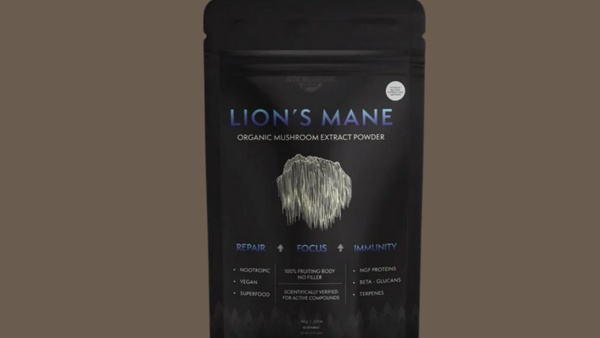 5 August 2026
Regulatory Trends Affecting Lion’s Mane ProductsLion’s Mane has evolved from a niche culinary mushroom into a high-demand functional ingredient across capsules, powders, beverages,...
5 August 2026
Regulatory Trends Affecting Lion’s Mane ProductsLion’s Mane has evolved from a niche culinary mushroom into a high-demand functional ingredient across capsules, powders, beverages,...
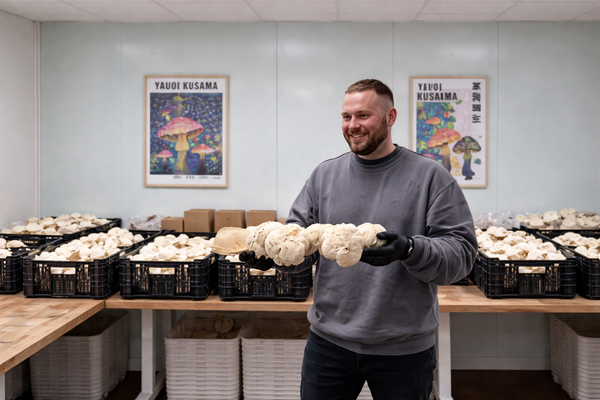 28 July 2026
Scaling Sustainable Lion’s Mane ProductionLion’s Mane has transitioned from niche functional mushroom to mainstream formulation ingredient across capsules, powders, beverages, and blended...
28 July 2026
Scaling Sustainable Lion’s Mane ProductionLion’s Mane has transitioned from niche functional mushroom to mainstream formulation ingredient across capsules, powders, beverages, and blended...
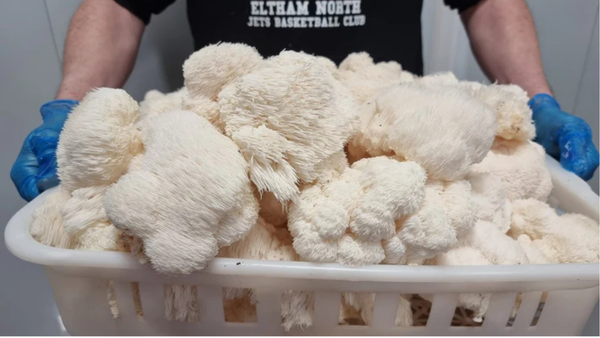 28 July 2026
Supply Chain Transparency in Lion’s Mane ManufacturingAs Lion’s Mane extract continues to scale across capsules, powders, beverages, and white label supplement lines, scrutiny of...
28 July 2026
Supply Chain Transparency in Lion’s Mane ManufacturingAs Lion’s Mane extract continues to scale across capsules, powders, beverages, and white label supplement lines, scrutiny of...
Get supply and pricing updates
Product specs, new extract batches, and bulk pricing for supplement brands and distributors.