Lion’s Mane Manufacturing Trends in Australia

Lion’s Mane has moved from niche ingredient to recognised functional mushroom within Australian supplements, powders, and beverage formulations. As demand increases, manufacturing expectations have shifted beyond simple availability toward documented quality, traceability, and compliance readiness.
Australia’s Lion’s Mane sector is evolving from reliance on imported powders toward structured domestic cultivation and extraction. Standardisation, laboratory verification, and regulatory awareness now shape procurement decisions.
This article outlines the key manufacturing trends defining the Australian Lion’s Mane landscape and what they signal for brands sourcing extract locally.
The Importance of Manufacturing Trends in Australia
Understanding these manufacturing trends is critical for brands sourcing Lion’s Mane extract within the Australian market.
These trends matter because they:
- Improve compliance readiness: Structured manufacturing and documentation reduce regulatory exposure in food and supplement categories.
- Strengthen supply chain reliability: Domestic cultivation and standardised extraction lower variability and reduce disruption risk.
- Enhance formulation consistency: Documented extract ratios and laboratory verification support predictable product performance.
- Support retailer and export approval: Transparent testing and certification alignment meet increasing audit expectations.
- Reduce long-term commercial risk: Clear traceability and batch-level verification protect brands from recalls or compliance challenges.
- Encourage industry maturity: Higher standards elevate the overall credibility of Australian Lion’s Mane manufacturing.
For procurement teams and white-label brands, monitoring these trends supports more informed supplier selection and long-term strategic stability.
Key Manufacturing Trends Shaping the Australian Lion’s Mane Industry
Here are the key manufacturing trends currently shaping how Lion’s Mane is cultivated, processed, tested, and supplied across Australia:
1. Expansion of Domestic Vertical Farming and Controlled Cultivation

Australian Lion’s Mane production is increasingly moving into controlled indoor environments, particularly vertical farms located near major metropolitan areas. These facilities allow for regulated airflow, stable humidity, and consistent substrate management, reducing environmental variability.
Domestic cultivation supports improved traceability from growth through extraction and reduces reliance on imported raw materials. By operating within Australia’s strong biosecurity framework, manufacturers can offer clearer documentation and shorter supply chains, which are becoming increasingly important to procurement teams.
2. Shift Toward 100 Percent Fruiting Body Production
There is growing scrutiny within the Australian market regarding ingredient composition, especially concerning mycelium grown on grain substrates. As a result, manufacturers are increasingly focusing on fruiting body-only production.
Fruiting body extracts offer clearer compositional transparency and reduce the risk of grain filler dilution. This approach also supports more reliable beta-glucan verification through laboratory testing.
The shift reflects a broader movement toward extract integrity and specification clarity rather than ambiguous ingredient positioning.
3. Greater Extract Ratio Standardisation and Documentation
Extract ratio claims in Australia are increasingly expected to be supported by measurable documentation rather than marketing statements. Procurement standards now commonly require clearly defined concentration ratios, such as 10:1 or 15:1, backed by laboratory confirmation.
Manufacturers are placing greater emphasis on defined specification tolerances and batch-level consistency. This standardisation enables predictable formulation outcomes, particularly for capsule filling and powder blending, reinforcing extract reliability in commercial applications.
4. Increased Adoption of Freeze-Dried and Controlled Processing Methods
Processing transparency has become an important aspect of Australian Lion’s Mane manufacturing. Freeze-drying prior to extraction is being adopted to preserve structural integrity before concentration occurs.
This method supports moisture reduction, enhances shelf stability, and improves powder performance during blending and encapsulation. Controlled handling throughout processing reduces degradation risk and supports consistent batch outcomes.
Manufacturers are increasingly documenting these processes as part of broader quality system transparency.
5. Stronger Third-Party Laboratory Testing and COA Transparency

Laboratory verification is now central to extract credibility within Australia’s maturing market. Testing commonly includes beta-glucan quantification, total polysaccharide reporting, heavy metals screening, microbial panels, and moisture percentage documentation.
Third-party laboratory involvement strengthens documentation reliability and reduces bias concerns. Batch-specific Certificates of Analysis are increasingly viewed as a baseline requirement for retailer and export readiness, reflecting a shift toward measurable quality assurance rather than benefit-focused positioning.
6. Rising Regulatory Maturity and Compliance Alignment
As Lion’s Mane products expand into mainstream retail channels, regulatory awareness has intensified. Manufacturers are aligning more closely with Food Standards Australia New Zealand frameworks and, where applicable, Therapeutic Goods Administration considerations.
GMP-aligned production systems and HACCP food safety frameworks are becoming more visible within supplier evaluations. Retail audits and compliance documentation are influencing procurement decisions, signalling a transition toward structured supplement manufacturing standards.
7. Sustainability and Responsible Domestic Production
Environmental considerations are gradually influencing sourcing decisions in the Australian market. Domestic indoor cultivation reduces land impact and allows closer oversight of agricultural inputs such as organic substrates.
Waste minimisation strategies and biodegradable packaging initiatives are becoming more common among structured producers. Local supply chains may also reduce transport-related emissions.
While sustainability positioning should remain evidence-based, documented cultivation and processing controls contribute to long-term supply credibility.
8. Growth of White-Label and Private-Label Extract Partnerships
The Australian Lion’s Mane sector is increasingly characterised by outsourcing of extract production to specialised manufacturers. Emerging supplement brands often rely on domestic extract producers to supply formulation-ready powders.
These partnerships typically involve batch-level documentation, defined minimum order quantities, and ongoing specification monitoring. This model reflects the broader professionalisation of the functional mushroom industry, where extract manufacturing and brand marketing operate as distinct but complementary functions.
9. Market Differentiation Through Documentation Transparency

As competition increases, transparency has become a key differentiator within the Australian market. Manufacturers are providing clearer fruiting body disclosure, documented extract ratios, accessible laboratory reports, and structured quality summaries.
Governance frameworks and defined accountability policies are also gaining prominence. The industry is gradually moving away from vague positioning and toward documentation-backed credibility, reflecting a more compliance-driven commercial environment.
10. Consolidation Toward Compliance-Driven Domestic Producers
The cumulative effect of these trends suggests gradual consolidation within the Australian Lion’s Mane manufacturing landscape. Retailers and distributors are showing preference for suppliers with documented quality systems, export readiness, and structured compliance alignment.
As documentation standards continue to rise, operations lacking transparent quality controls may struggle to compete. Compliance maturity is increasingly shaping long-term supplier viability within the domestic market.
Xotic Mushrooms Within the Australian Manufacturing Landscape
Within this evolving landscape, domestic operations such as Xotic Mushrooms illustrate several of the broader industry trends.
Based in Melbourne, the company operates a vertical farm cultivating Lion’s Mane on 100 percent organic substrate sourced locally. Production focuses exclusively on fruiting bodies rather than mycelium on grain.
Extract manufacturing incorporates a documented 15:1 concentration ratio, with freeze-drying used prior to extraction. Batch-level laboratory testing is conducted at accredited facilities, producing Certificates of Analysis detailing beta-glucan content, nutritional profile data, heavy metals screening, microbial panels, and moisture parameters.
As an Australian-operated business governed under Australian law, operations include defined return policies and structured documentation systems. Testing transparency and fruiting body purity reflect the broader industry movement toward standardisation and compliance alignment.
The positioning aligns with trends emphasising traceability, laboratory verification, and white-label readiness within the domestic market.
Future Outlook for Australian Lion’s Mane Manufacturing

Australia’s Lion’s Mane manufacturing sector is expected to continue progressing toward greater formalisation and structured standardisation.
Future developments may include:
- Increased retail audit requirements: Greater scrutiny of documentation, testing panels, and manufacturing controls.
- Broader export activity into regulated markets: Expansion into jurisdictions requiring detailed compliance alignment.
- Greater emphasis on third-party laboratory verification: Independent testing becoming a baseline expectation rather than an added feature.
- Expanded white-label manufacturing capacity: Growth in formulation-ready extract supply for scaling supplement brands.
- Consolidation among compliant domestic producers: Preference for structured operators with documented quality systems.
As procurement standards mature, documentation depth and quality control frameworks will play an increasingly central role in supplier selection. Manufacturers that integrate cultivation oversight, standardised extraction, and structured laboratory verification will be better positioned to support long-term commercial partnerships.
Conclusion
Lion’s Mane manufacturing in Australia is transitioning from emerging niche to compliance-driven industry segment. Domestic cultivation, fruiting body transparency, laboratory standardisation, and regulatory alignment are reshaping procurement expectations.
For brands entering or expanding within the Lion’s Mane category, sourcing decisions should prioritise documentation integrity, extract consistency, and structured quality systems. The trajectory of the Australian market suggests that measurable compliance and transparency will continue to define sustainable growth within the sector.
Source Lion's Mane extract powder at scale
Consistent extract quality, full testing, and white label supply built for growing brands.
Talk to our supply teamRelated articles
 5 August 2026
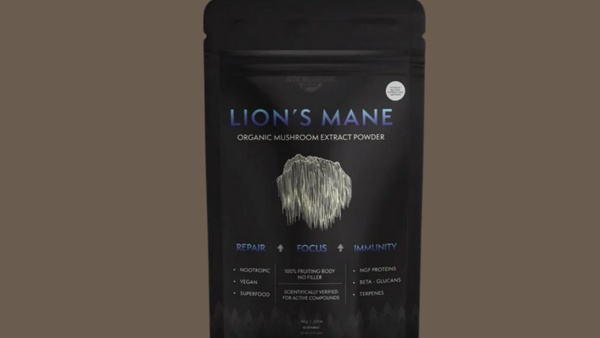
Regulatory Trends Affecting Lion’s Mane ProductsLion’s Mane has evolved from a niche culinary mushroom into a high-demand functional ingredient across capsules, powders, beverages,...
5 August 2026
Regulatory Trends Affecting Lion’s Mane ProductsLion’s Mane has evolved from a niche culinary mushroom into a high-demand functional ingredient across capsules, powders, beverages,...
 28 July 2026
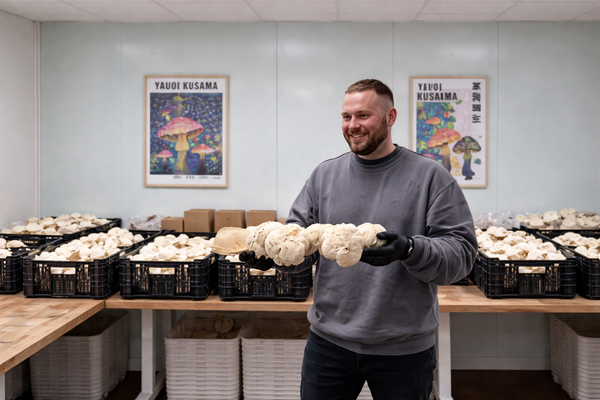
Scaling Sustainable Lion’s Mane ProductionLion’s Mane has transitioned from niche functional mushroom to mainstream formulation ingredient across capsules, powders, beverages, and blended...
28 July 2026
Scaling Sustainable Lion’s Mane ProductionLion’s Mane has transitioned from niche functional mushroom to mainstream formulation ingredient across capsules, powders, beverages, and blended...
 28 July 2026
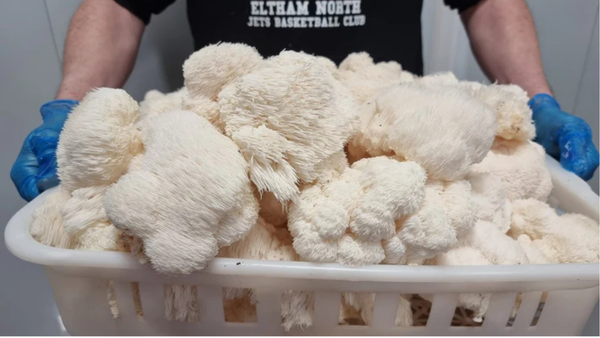
Supply Chain Transparency in Lion’s Mane ManufacturingAs Lion’s Mane extract continues to scale across capsules, powders, beverages, and white label supplement lines, scrutiny of...
28 July 2026
Supply Chain Transparency in Lion’s Mane ManufacturingAs Lion’s Mane extract continues to scale across capsules, powders, beverages, and white label supplement lines, scrutiny of...
Get supply and pricing updates
Product specs, new extract batches, and bulk pricing for supplement brands and distributors.