Why Cultivation Method Impacts Lion’s Mane Extract Quality

The quality of Lion’s Mane extract begins long before processing, it starts in cultivation. How the mushroom is grown directly affects bioactive content, functional density, and batch reliability, all of which are critical for supplement brands.
Controlled, standardised cultivation ensures that Lion’s Mane extract performs consistently in functional foods, nootropic products, and wellness formulations, giving white-label brands confidence in both efficacy and commercial viability.
How Cultivation Methods Shape Extract Quality
Below are the key ways cultivation methods determine the potency, consistency, and functional performance of Lion’s Mane extracts:
1. Substrate Selection and Its Impact
The substrate provides nutrients and influences mushroom growth. Substrates rich in hardwood sawdust or supplemented with organic grains enhance polysaccharide and beta-glucan accumulation.
Different substrates can alter growth rate, biomass composition, and extract yield. For white-label brands, substrate choice translates into functional reliability: predictable bioactive content and consistent extraction efficiency support scalable formulations.
2. Temperature, Humidity, and Light Controls
Controlled environmental conditions are essential for consistent mushroom quality. Temperature and humidity fluctuations can stress mycelium, reducing functional compound production.
Precise climate control ensures optimal growth, stabilises bioactive concentrations, and produces mushrooms with uniform texture and moisture levels. Brands sourcing from controlled environments gain extract powders that perform reliably across batches.
3. Organic vs Conventional Growing Practices
Organic cultivation avoids synthetic fertilisers, pesticides, and fungicides, which aligns with clean-label expectations. Organic mushrooms not only meet regulatory and marketing requirements but also reduce the risk of contaminants affecting extract quality.
White-label brands benefit from a sustainable, transparent supply chain that enhances consumer trust.
4. Growth Cycle Duration and Its Effect on Bioactive Content
The length of the growth cycle influences functional compound concentration. Longer maturation allows more polysaccharides and beta-glucans to accumulate in fruiting bodies. Shortened cycles can compromise potency.
By controlling growth duration, Xotic Mushrooms ensures maximum bioactive density per gram, allowing brands to maintain efficacy in capsules, powders, or functional beverages.
Core Metrics Influenced by Cultivation

Below are the key measurable metrics controlled cultivation impacts, showing brands exactly how Lion’s Mane extract performs in potency, consistency, extraction efficiency, and functional reliability for formulations:
1. Polysaccharide and Beta-Glucan Concentration
These compounds are central to Lion’s Mane’s functional value. Controlled cultivation maximises their accumulation in the fruiting body. Standardised inputs and growth conditions allow extract powders to deliver consistent bioactive content, supporting predictable dosing in consumer products.
2. Functional Density per Gram
Extract powders concentrate bioactive compounds, producing a high functional density. Controlled cultivation ensures that every gram contains the expected levels of relevant polysaccharides and beta-glucans, reducing formulation volume requirements and improving consumer compliance.
3. Extraction Yield and Efficiency
Standardised mushrooms provide uniform starting material for extraction. High-quality, mature fruiting bodies enable more efficient extraction, yielding greater amounts of concentrated bioactive fractions. Brands gain cost-effective raw material use while maintaining potency.
4. Nutrient Accessibility Through Structural Integrity
Mature, structurally sound mushrooms facilitate extraction. Controlled growth produces uniform tissue with consistent cell wall properties, making polysaccharides and other bioactive compounds more accessible. The result is an extract with reproducible functional performance, suitable for white-label applications.
Batch Consistency and Commercial Reliability
Here’s why standardised cultivation methods matter for scaling functional products:
1. Reducing Variability Between Batches
Uncontrolled cultivation leads to differences in size, moisture, and bioactive content, which complicates extraction and product consistency. By managing every aspect of the growing environment, batch-to-batch variability is minimised, allowing brands to maintain uniform product performance.
2. Predictable Nutritional Profiles for White-Label Formulations
Brands require extracts that meet specification limits for regulatory and quality assurance purposes. Controlled cultivation produces mushrooms with consistent polysaccharide and beta-glucan levels, ensuring that finished products deliver the expected functional outcomes.
3. Improved Stability in Functional Foods, Beverages, and Capsules
Uniform mushroom composition supports better drying, milling, and extraction. This consistency improves powder solubility, blend uniformity, and shelf stability, making Lion’s Mane extract ideal for functional beverages, powdered stacks, and capsule-based nootropics.
Quality Assurance Benefits for White-Label Brands

Controlled cultivation translates into confidence for brands and consumers alike:
1. Verifiable Lab Testing and Documentation
White-label brands need ingredients that can be reliably tested. Controlled growing practices create mushrooms with reproducible chemical composition, simplifying lab analysis, batch certification, and regulatory reporting.
2. Compliance with Regulatory Standards
By adhering to controlled cultivation, Xotic Mushrooms ensures mushrooms meet national and international regulatory requirements. This compliance reduces risk for brands and facilitates smooth product approvals.
3. Traceability from Farm to Extract
Every batch can be traced from the growing facility to the final extract, ensuring transparency and accountability. Traceable sourcing is increasingly important for consumer trust and brand positioning in the functional foods and supplements market.
Comparison Table: Cultivation Method vs Extract Outcomes
Let’s break down how different cultivation approaches influence extract quality, functional content, and commercial performance:
| Cultivation Method | Functional Density | Extraction Yield | Batch Consistency | White-Label Suitability |
|---|---|---|---|---|
| Indoor Controlled | High | Optimal | Very High | Excellent |
| Organic Hardwood Logs | Medium-High | Good | Medium | High |
| Outdoor/Forest Grown | Medium | Variable | Low | Moderate |
| Grain-Supplemented Substrate | High | High | High | Excellent |
Benefits of Controlled Growing for White-Label Brands
Here’s why brands sourcing from controlled environments gain a competitive edge:
- Predictable functional density: Ensures consistent polysaccharide and beta-glucan levels for effective formulations.
- Reliable extraction efficiency: Standardised composition improves yield and reduces waste.
- Batch-to-batch consistency: Minimises variability, supporting repeatable outcomes across SKUs.
- Shelf-stable biomass: Optimal moisture and structure reduce degradation during storage and transport.
- Consumer confidence: Uniform appearance and consistent performance enhance brand trust.
- Clean-label alignment: Organically grown mushrooms meet consumer preferences for natural ingredients.
- Cost-effective production: Higher extraction efficiency lowers material waste and improves ROI.
- White-label readiness: Controlled cultivation ensures ingredients meet specification and regulatory requirements.
Why Choose Xotic Mushrooms

Below are key reasons brands partner with Xotic Mushrooms to source premium, reliable Lion’s Mane extract:
- Expert white-label partner: Decades of functional mushroom experience, providing brands with reliable guidance for commercial-scale production.
- Organically grown: Traceable Australian mushrooms ensure high-quality, contaminant-free raw material for extract manufacturing.
- Standardised extraction: Controlled processing delivers consistent bioactive content, supporting predictable formulation and functional outcomes.
- High functional density: Optimised polysaccharide and beta-glucan levels per gram reduce inclusion rates while maximising potency.
- Third-party lab tested: Independent verification ensures quality assurance, regulatory compliance, and defensible specifications for white-label brands.
- Scalable production: Ability to meet small and large batch demands without compromising extract consistency or functional performance.
- Flexible ratios: Powder and extract options tailored for capsules, powders, beverages, and multi-ingredient blends.
- Full transparency: Complete documentation of sourcing, cultivation, and extraction enables traceability and audit readiness.
Conclusion
Partnering with Xotic Mushrooms ensures brands access consistent, high-quality Lion’s Mane extract optimised for functional products. Controlled cultivation, standardised extraction, and rigorous testing support reliable formulations and consumer trust.
By choosing Xotic Mushrooms, brands align with a white-label partner committed to transparency and quality.
Source Lion's Mane extract powder at scale
Consistent extract quality, full testing, and white label supply built for growing brands.
Talk to our supply teamRelated articles
 5 August 2026
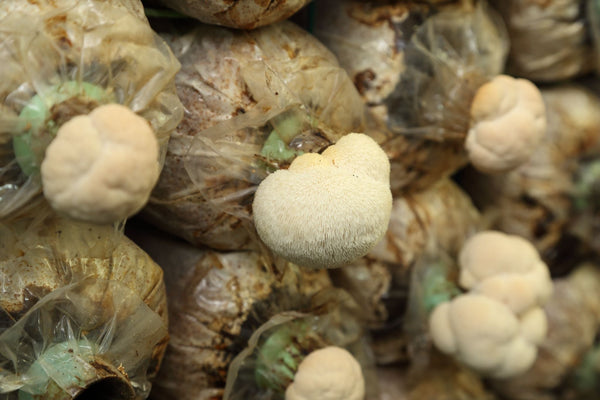
Quality Control in Lion’s Mane CultivationEnsuring consistent quality in Lion’s Mane cultivation is critical for supplement and functional food brands. Variability in bioactive...
5 August 2026
Quality Control in Lion’s Mane CultivationEnsuring consistent quality in Lion’s Mane cultivation is critical for supplement and functional food brands. Variability in bioactive...
 28 July 2026
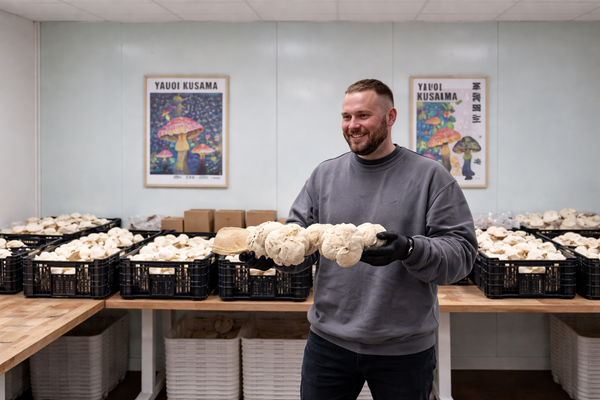
Growing Lion’s Mane for Consistent Extract RatiosUnderstanding how to grow Lion’s Mane for consistent extract ratios is essential for brands developing functional foods, cognitive...
28 July 2026
Growing Lion’s Mane for Consistent Extract RatiosUnderstanding how to grow Lion’s Mane for consistent extract ratios is essential for brands developing functional foods, cognitive...
 28 July 2026
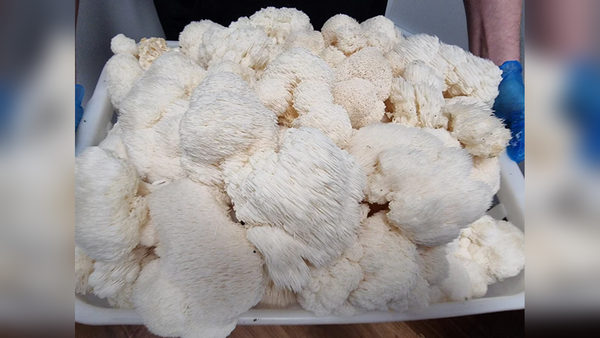
Harvest Timing and Its Effect on Lion’s Mane PotencyUnderstanding when to harvest Lion’s Mane is a critical factor for white-label brands seeking consistent functional potency. Harvest...
28 July 2026
Harvest Timing and Its Effect on Lion’s Mane PotencyUnderstanding when to harvest Lion’s Mane is a critical factor for white-label brands seeking consistent functional potency. Harvest...
Get supply and pricing updates
Product specs, new extract batches, and bulk pricing for supplement brands and distributors.