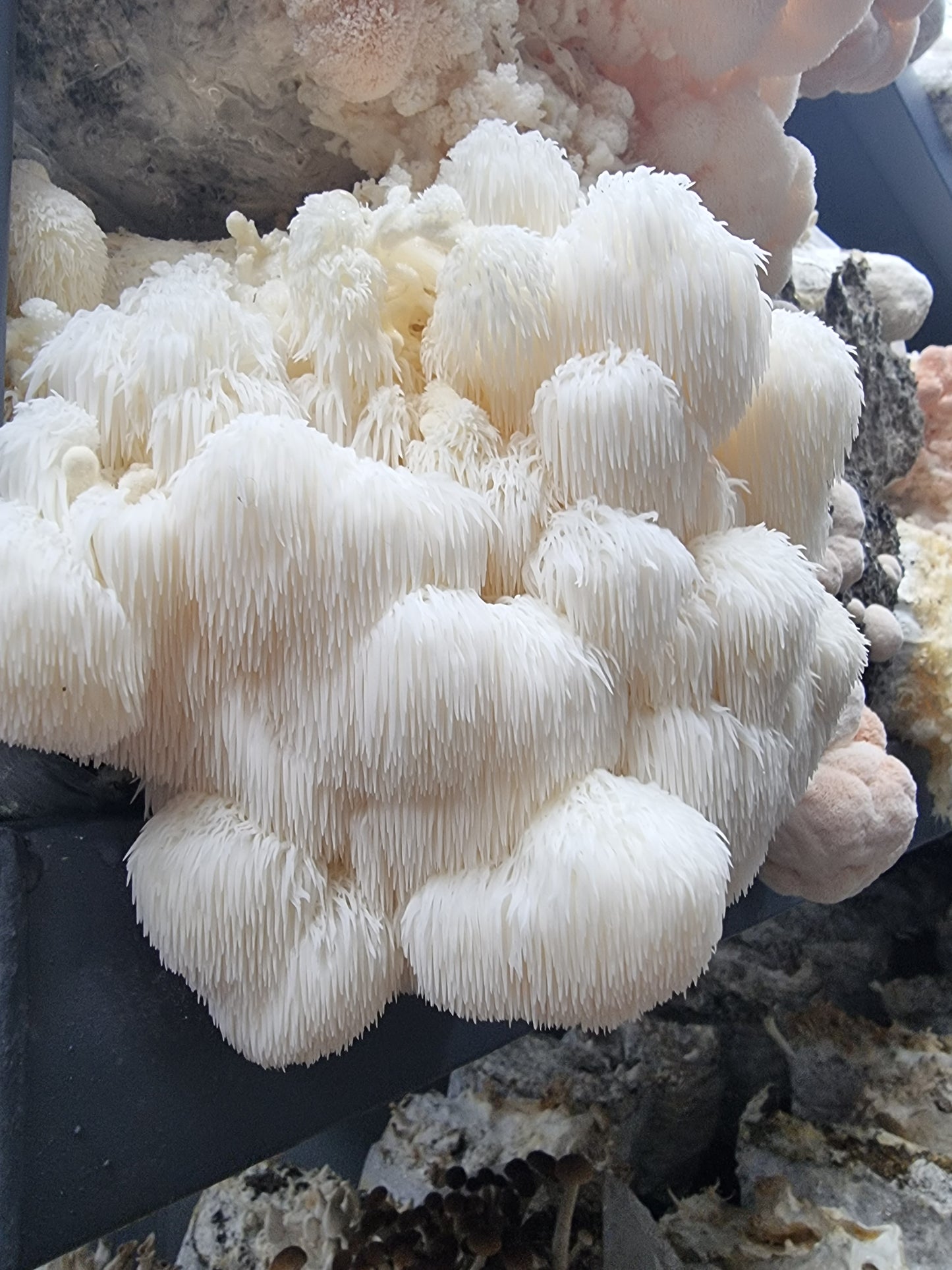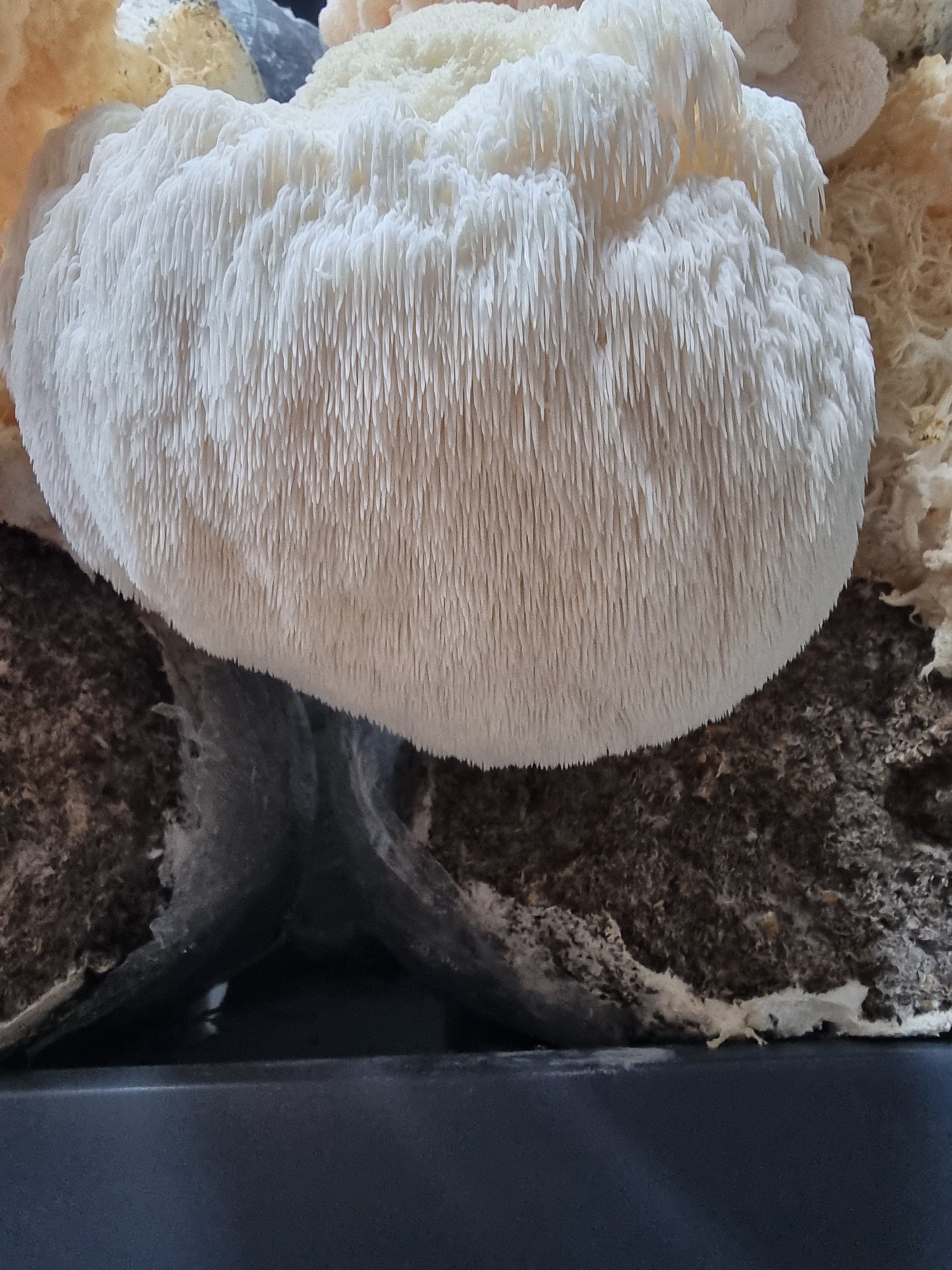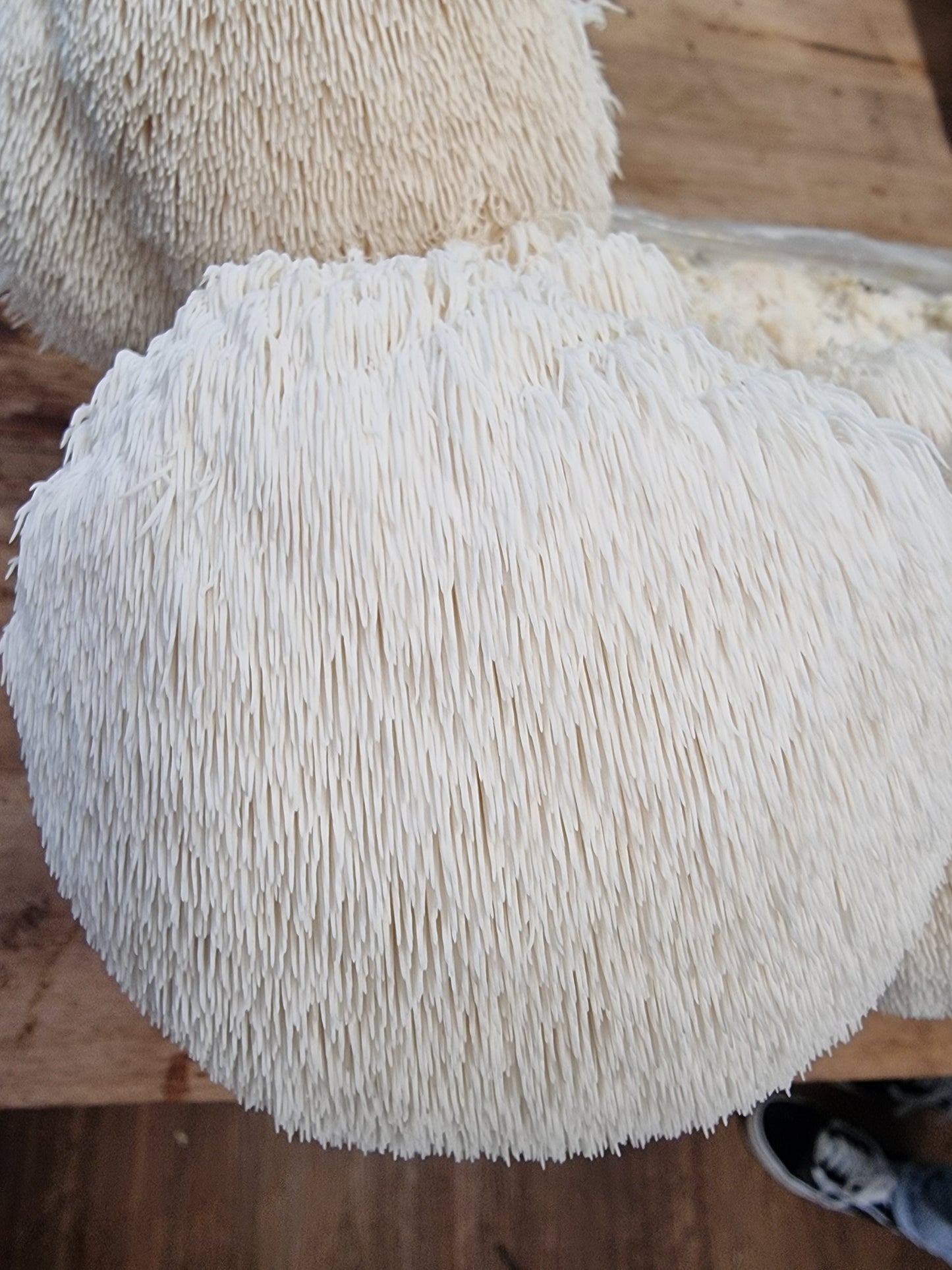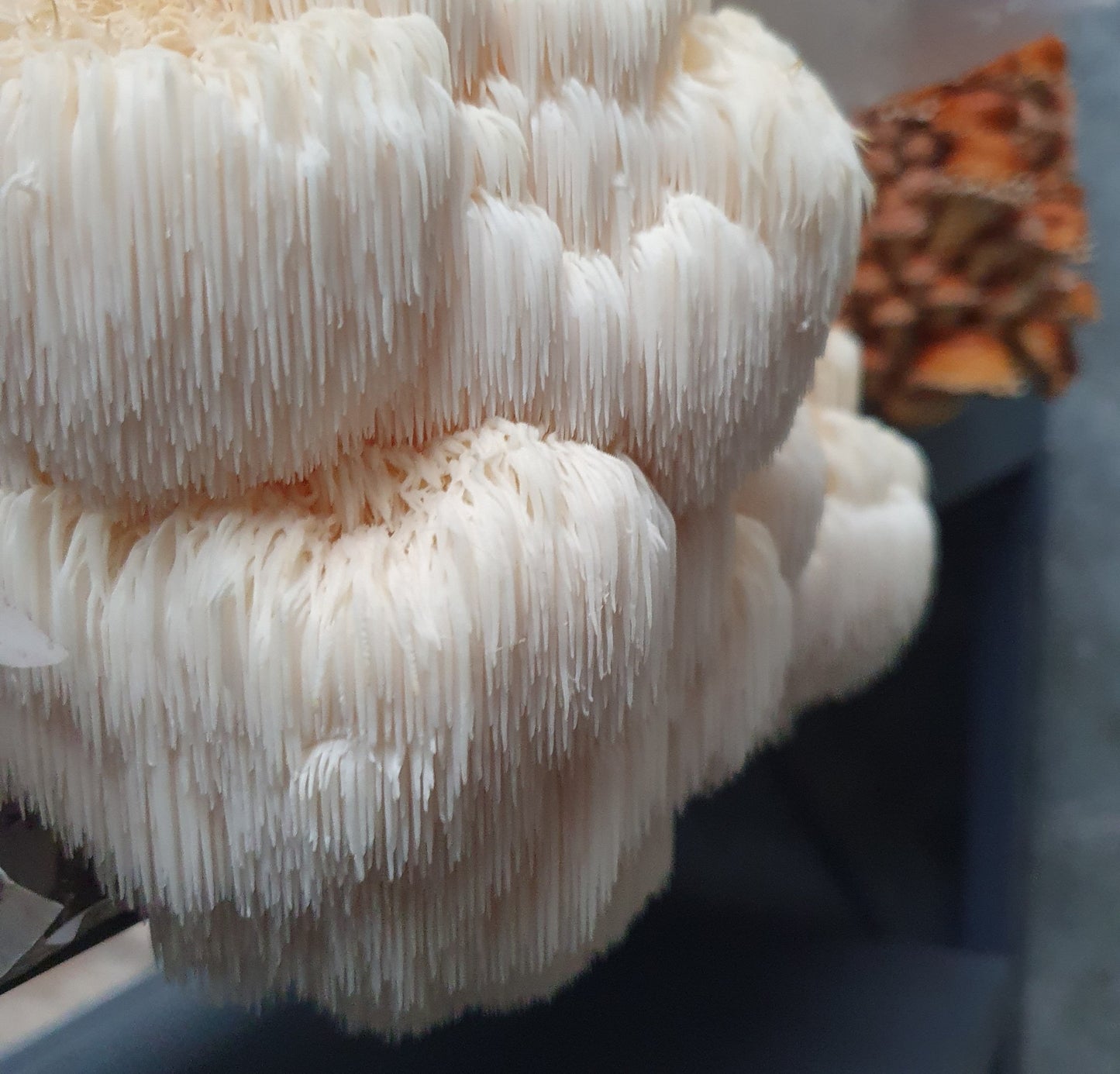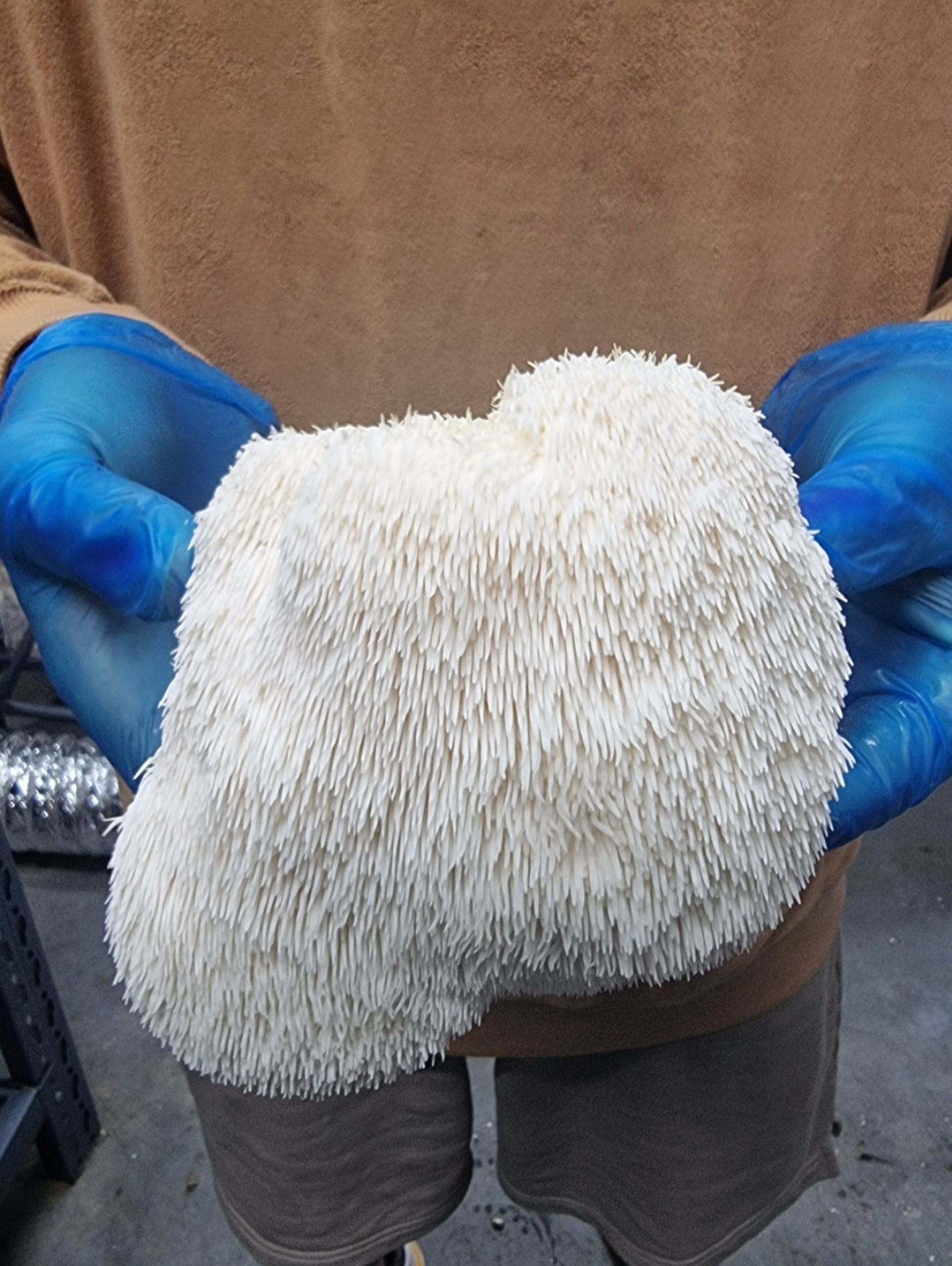

Lion’s Mane (Hericium erinaceus) has become one of the most sought-after functional mushrooms in modern wellness.
Known for its shaggy, mane-like appearance and rich bioactive compounds, it’s celebrated for supporting brain health, nerve regeneration, and overall vitality.
Once valued in traditional Chinese medicine, this remarkable mushroom now bridges ancient wisdom and modern science, offering natural benefits for focus, mood, and long-term cognitive function.
What Is Lion’s Mane Mushroom?
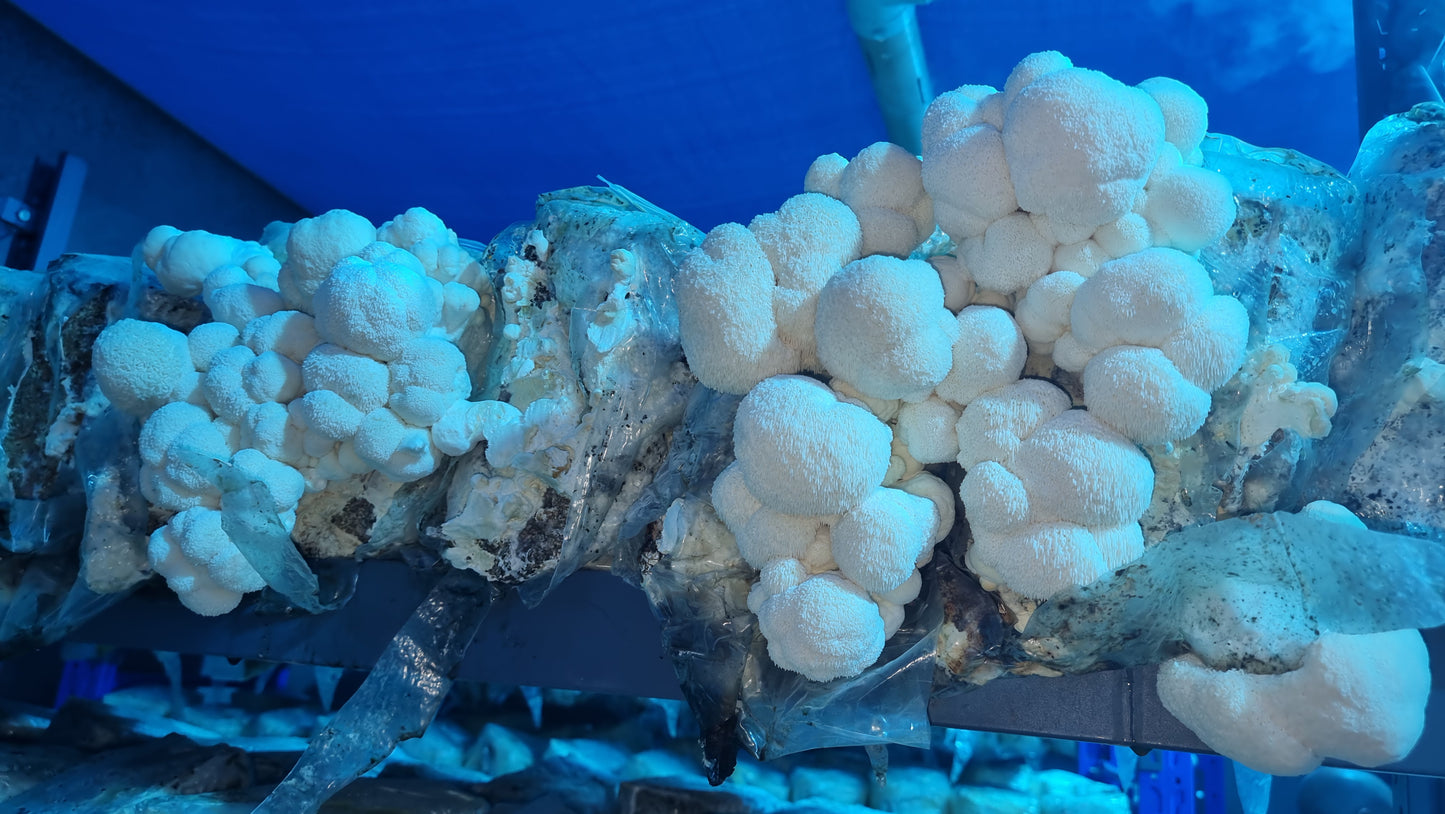
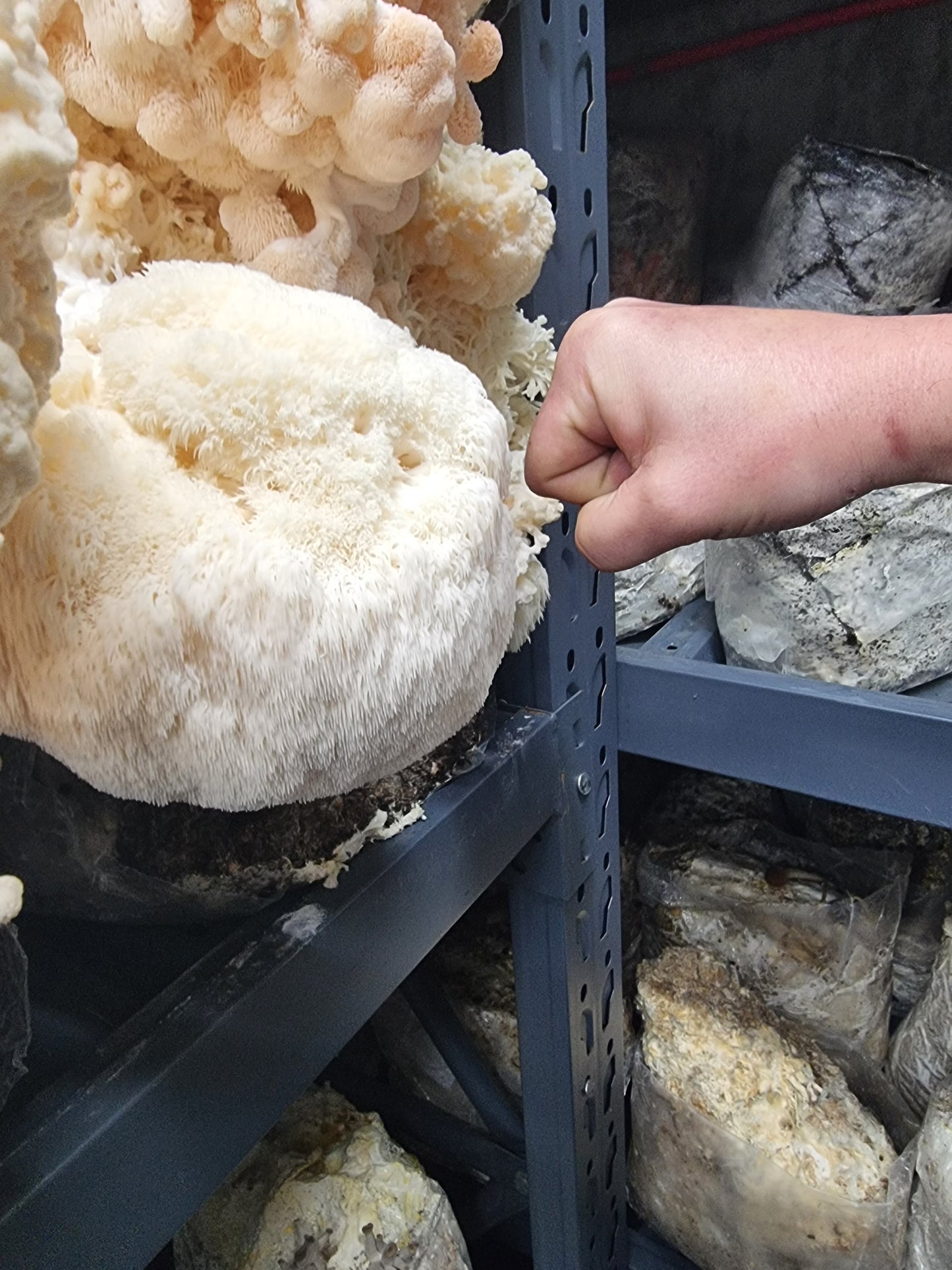
Lion’s Mane is a medicinal fungus known for its long, cascading white tendrils that resemble a lion’s mane. It grows naturally on hardwood trees and has been used for centuries across Asia as a tonic for longevity and cognitive health.
Modern studies attribute many of its benefits to compounds called hericenones and erinacines, which stimulate the production of nerve growth factor (NGF), a key protein that helps maintain healthy neurons.
This unique mechanism sets Lion’s Mane apart from other functional mushrooms and explains why it’s often called a “natural nootropic.”
Key Health Benefits of Lion’s Mane

From boosting memory to calming the mind, Lion’s Mane offers far more than a mental edge. Here are the key health benefits backed by science and centuries of use.
1. Supports Brain Health and Cognitive Function
Lion’s Mane has shown promising effects in enhancing memory, focus, and concentration. By promoting the synthesis of nerve growth factor (NGF) it encourages the repair and maintenance of nerve cells, which may help slow cognitive decline associated with ageing and support long-term brain health.
Many users report improved mental clarity and sharper recall after consistent use, making Lion’s Mane a natural choice for students, professionals, and anyone seeking cognitive support without stimulants.
2. Promotes Nerve Regeneration and Neurological Health
One of Lion’s Mane’s most remarkable properties is its potential to stimulate nerve regeneration. Research indicates that its bioactive compounds can encourage the growth of axons and dendrites, which transmit signals between nerve cells.
This has led to growing interest in its use for people experiencing tremors, neuropathy, or neurodegenerative conditions such as Parkinson’s disease.
3. Helps Manage Anxiety, Stress, and Mood
As an adaptogenic mushroom, Lion’s Mane helps the body manage anxiety, stress and mood, thus maintaining balance. It supports serotonin and dopamine activity, the key neurotransmitters that influence mood and motivation.
Studies suggest that consistent use may ease mild anxiety and depression, promoting calm focus and emotional stability throughout the day.
4. Reduces Oxidative Stress
Lion’s Mane contains powerful antioxidants that neutralise free radicals and help protect cells from damage. For active individuals, this can support faster muscle recovery, joint mobility, and long-term wellness.
Reduced oxidative stress also contributes to cardiovascular and immune health, reinforcing the body’s natural defences.
5. Boosts Energy and Physical Performance
Lion’s Mane supports balanced, caffeine-free energy by promoting efficient oxygen use and healthy nerve-to-muscle communication. This helps enhance coordination, stamina, and endurance during physical or mentally demanding activities.
Many athletes and active individuals use it to maintain consistent energy levels, reduce fatigue, and support recovery without the crash associated with traditional pre-workout stimulants.
6. Aids Digestion and Gut Health
Lion’s Mane contains prebiotic fibres that nourish beneficial gut bacteria, supporting digestion and nutrient absorption. Because the gut and brain are interconnected, better gut balance can lead to improved mood, focus, and overall mental well-being.
7. Supports Immune Function and Longevity

Its polysaccharides and beta-glucans have immune-modulating effects that strengthen natural defences.
Regular intake helps maintain immune balance, enhancing protection without overstimulation, while its antioxidants support long-term vitality and resilience.
8. Supports Heart and Circulatory Health
Lion’s Mane promotes cardiovascular wellness by improving lipid metabolism and circulation. It helps reduce LDL (bad) cholesterol while supporting vascular integrity, contributing to improved blood flow and healthier heart function over time.
9. Encourages Healthy Weight Management
By regulating appetite and supporting metabolic balance, Lion’s Mane aids in maintaining healthy body weight. Its steady energy release and blood sugar support help reduce cravings and promote consistent stamina throughout the day.
10. Promotes Healthy Ageing and Cellular Vitality
Lion’s Mane’s antioxidant profile supports cellular health by protecting against free radical damage. This contributes to youthful energy, skin elasticity, and long-term cognitive performance, helping the body stay resilient as it ages.
11. Improves Sleep Quality and Mental Recovery
By calming the nervous system, Lion’s Mane can encourage deeper, more restorative sleep. Better rest improves next-day focus, mood, and overall cognitive performance, making it a valuable addition to daily wellness routines.
12. Supports Digestive Lining and Stomach Health
Lion’s Mane helps maintain the integrity of the stomach lining by promoting tissue repair and balanced gastric function. This may benefit individuals prone to acid imbalance or discomfort, reinforcing its link to gut and nervous system health.
13. Encourages Tissue Regeneration and Recovery
Its polysaccharides support the body’s natural repair processes, aiding recovery from everyday wear and tear on muscles and internal organs. This regenerative capacity complements its brain and immune benefits, making Lion’s Mane a well-rounded supplement for total-body wellness.
Lion’s Mane for Athletes: Natural Support for Recovery and Performance

Athletes are turning to Lion’s Mane as a natural aid for both body and mind. Its NGF-boosting action helps maintain efficient nerve-muscle communication, which can translate into improved reaction time and coordination. Anti-inflammatory and antioxidant effects reduce post-training soreness and help muscles recover faster.
The mushroom also supports endurance by promoting consistent energy release rather than sudden spikes. Additionally, its appetite-regulating properties may help athletes maintain lean body composition.
Taken consistently, Lion’s Mane complements a balanced training and nutrition program by supporting focus, stamina, and recovery, all key components of peak performance.
Lion’s Mane and the Nervous System: How It Calms and Protects
Lion’s Mane doesn’t just strengthen neural connections, it also helps calm an overstimulated nervous system. By modulating neurotransmitters such as dopamine and serotonin, it helps maintain equilibrium during stress or fatigue.
For individuals affected by tremors or nerve-related conditions, this balance may reduce symptom severity. The combination of neuroprotection, nerve repair, and emotional regulation makes Lion’s Mane one of the few natural ingredients that can benefit both physical and mental stability simultaneously.
Its calming yet energising profile is why it’s commonly taken in the morning or before mentally demanding tasks.
Scientific Backing: What Research Says
Several studies highlight Lion’s Mane’s neuroprotective properties. Animal research shows it stimulates NGF production in the hippocampus, the brain’s memory centre. Human trials have also suggested improved cognitive performance in older adults experiencing mild memory loss after several months of supplementation.
Further studies are exploring its potential to support recovery from nerve injury, protect against Parkinson 's-related cell damage, and enhance mood.
While more large-scale clinical data is needed, early findings consistently support Lion’s Mane’s role as one of the most promising natural compounds for brain and nerve health.
How to Take Lion’s Mane: Forms, Dosage, and Timing

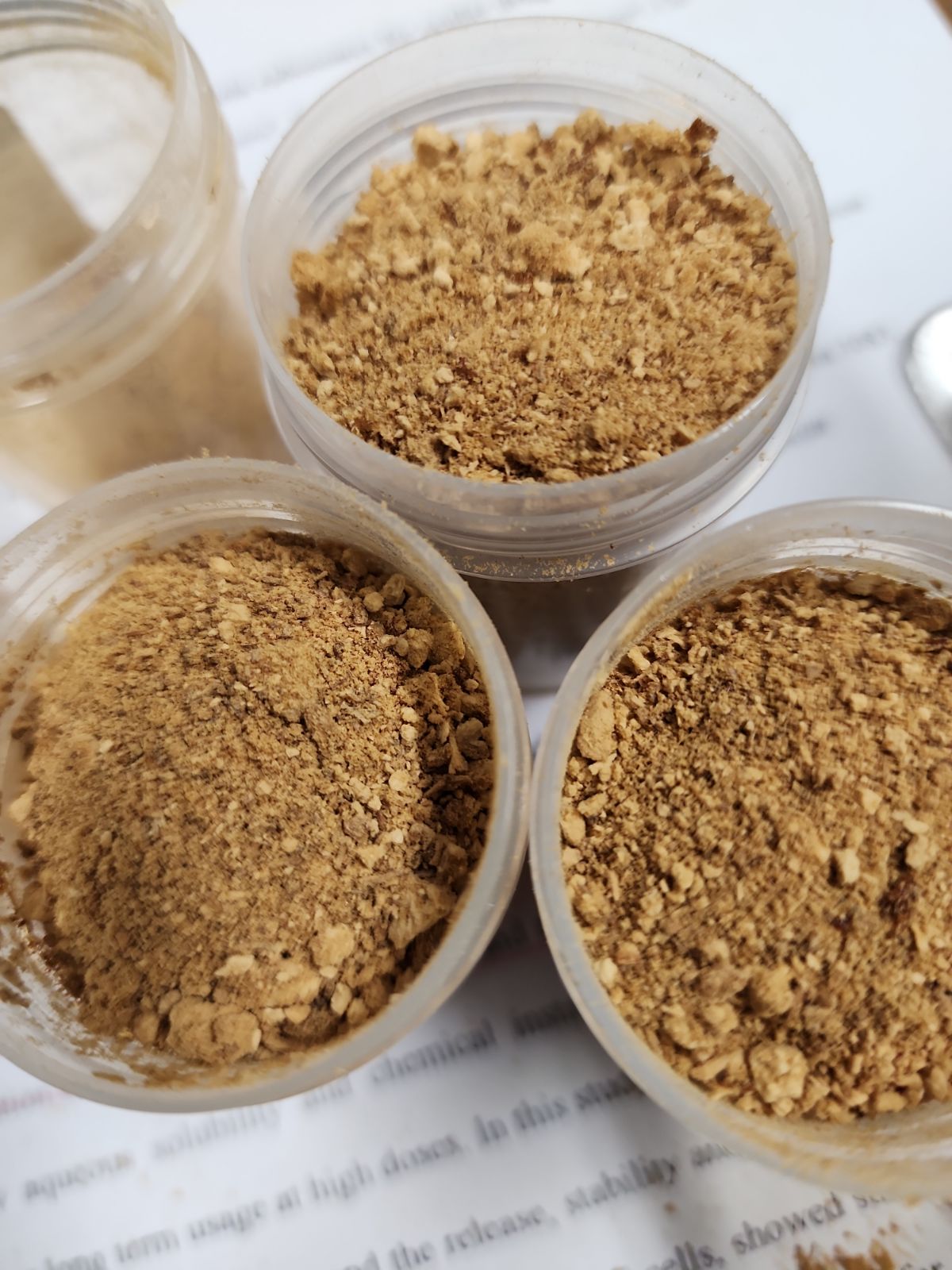
Lion’s Mane is available in several forms, powder, capsule, or liquid extract. Each offers the same benefits when sourced from high-quality fruiting bodies rather than mycelium.
Typical supplement doses of Lion’s Mane extract used in studies range from around 500 mg to 3,000 mg per day, depending on product strength and user goal. Some practitioners recommend taking it in the morning for focus and mood, or post-workout for recovery support, though large-scale clinical trials are still lacking to confirm optimal timing.
It can also be added to smoothies, coffee, or pre-workout drinks for convenience. Always start with a lower dose and consult a healthcare professional, particularly if taking medication or managing neurological conditions.
Possible Side Effects and Precautions
Lion’s Mane is generally safe for most people, but as with any supplement, it’s important to use it responsibly and stay informed. Here are key points to consider:
- Mild Digestive Discomfort: Some users report temporary stomach upset, nausea, or bloating, usually when taking high doses or consuming it on an empty stomach.
- Allergic Reactions: Individuals allergic to mushrooms or fungi should avoid Lion’s Mane. Reactions may include skin rashes, itching, or respiratory discomfort.
- Potential Interactions: Those on blood-thinning, diabetic, or blood pressure medications should consult a healthcare provider before use, as Lion’s Mane may affect glucose levels and clotting functions.
- Pregnancy and Breastfeeding: There’s limited research on its safety during pregnancy or breastfeeding, so it’s best to avoid use unless advised by a medical professional.
- Tolerance and Cycling: Some users cycle their intake, using Lion’s Mane for 4–6 weeks followed by a one- or two-week break, to maintain effectiveness and prevent reduced response over time.
- Product Quality Matters: Choose supplements made from 100% fruiting body (not mycelium) and third-party tested for purity, as contaminated or filler-based products may cause side effects.
- Professional Guidance: Always consult a healthcare provider before starting Lion’s Mane, especially if managing medical conditions or combining it with other nootropics or adaptogens.
Combining Lion’s Mane with Other Functional Mushrooms
Lion’s Mane works synergistically with other functional mushrooms, creating a well-rounded supplement routine that supports both body and mind. Each mushroom brings its own set of benefits, and when combined, they amplify one another’s effects for comprehensive wellness support:
- Reishi: Known as the “mushroom of immortality,” Reishi helps reduce stress, improve sleep quality, and strengthen the immune system. When taken with Lion’s Mane, it balances the mind while enhancing emotional calm and resilience.
- Cordyceps: Often used by athletes, Cordyceps naturally increases stamina, oxygen utilisation, and endurance. Pairing it with Lion’s Mane promotes mental focus and physical energy, supporting both cognitive and athletic performance.
- Chaga: Rich in antioxidants and anti-inflammatory compounds, Chaga protects cells from oxidative stress and boosts immune function. Combined with Lion’s Mane, it offers long-term support for vitality, recovery, and cellular health.
Final Thoughts: Why Lion’s Mane Belongs in Your Wellness Routine
Lion’s Mane mushroom represents a unique fusion of ancient wisdom and modern science. Its proven ability to support brain function, nerve health, and physical performance makes it one of the most adaptable supplements for daily use.
Whether you’re an athlete aiming to recover faster, a professional seeking sharper focus, or someone committed to long-term vitality, Lion’s Mane offers natural, research-backed support for both body and mind. As science continues to reveal more about its benefits, Lion’s Mane stands out as a cornerstone of holistic health, nourishing mental clarity, energy, and overall balance.
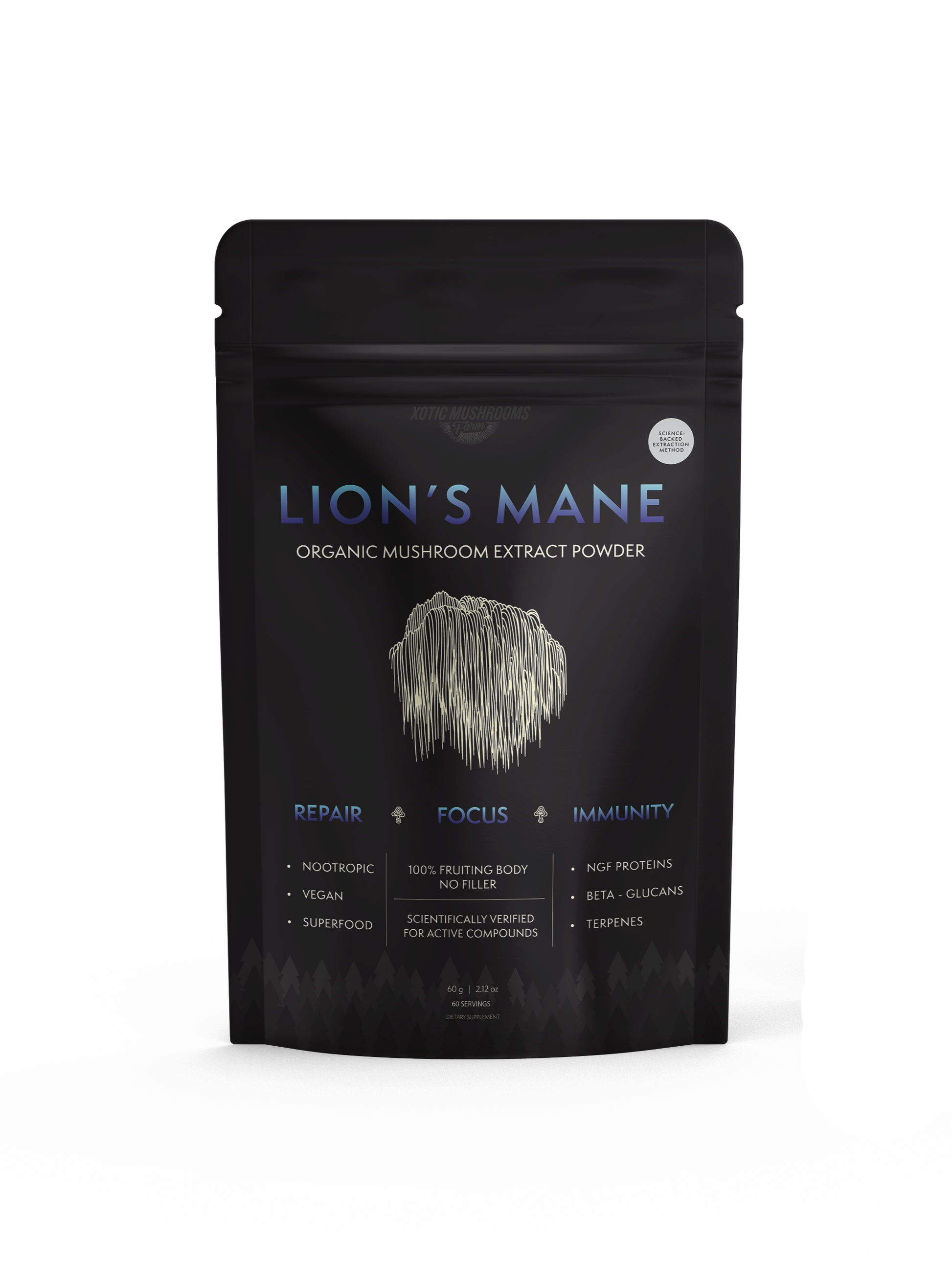
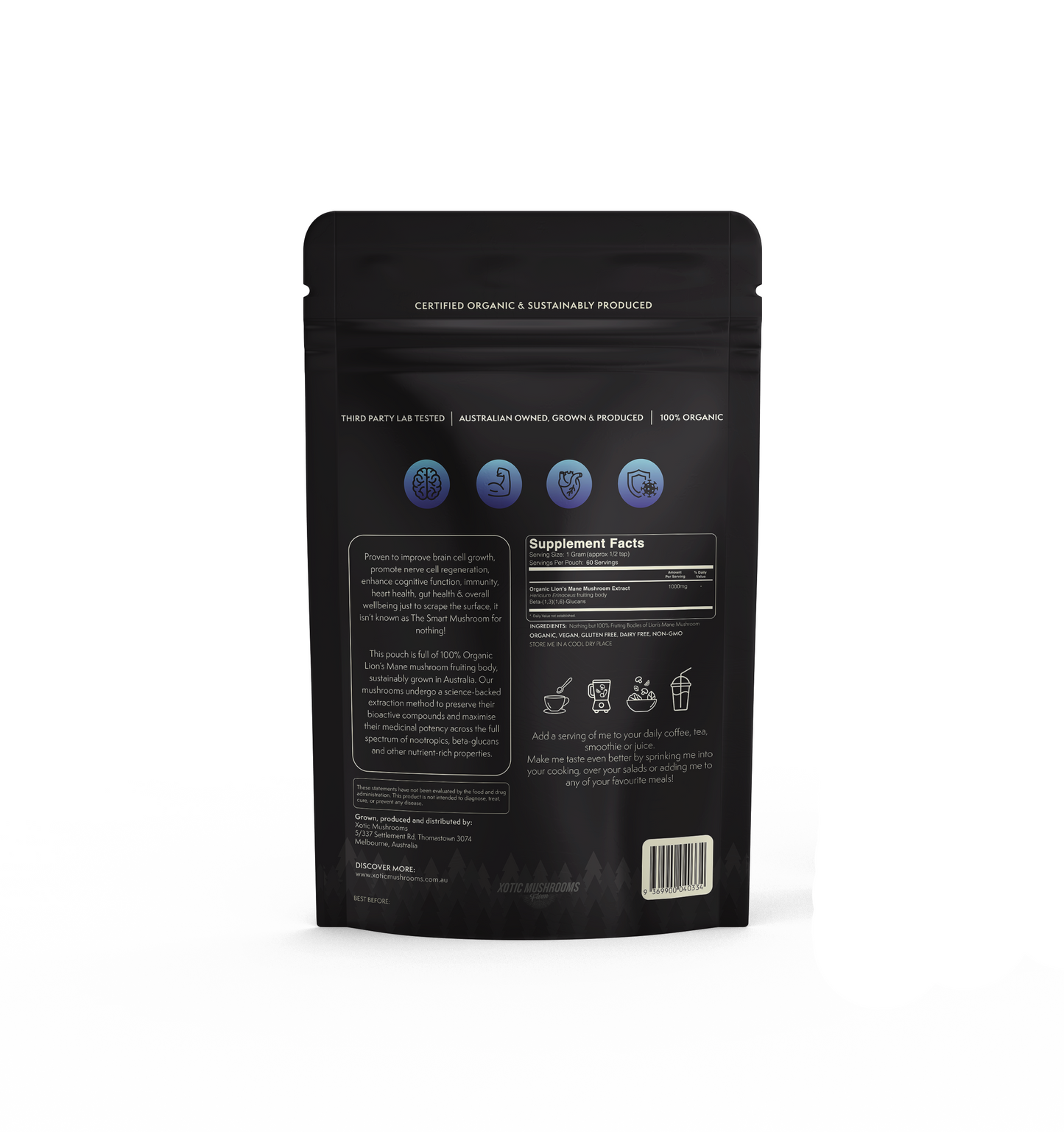
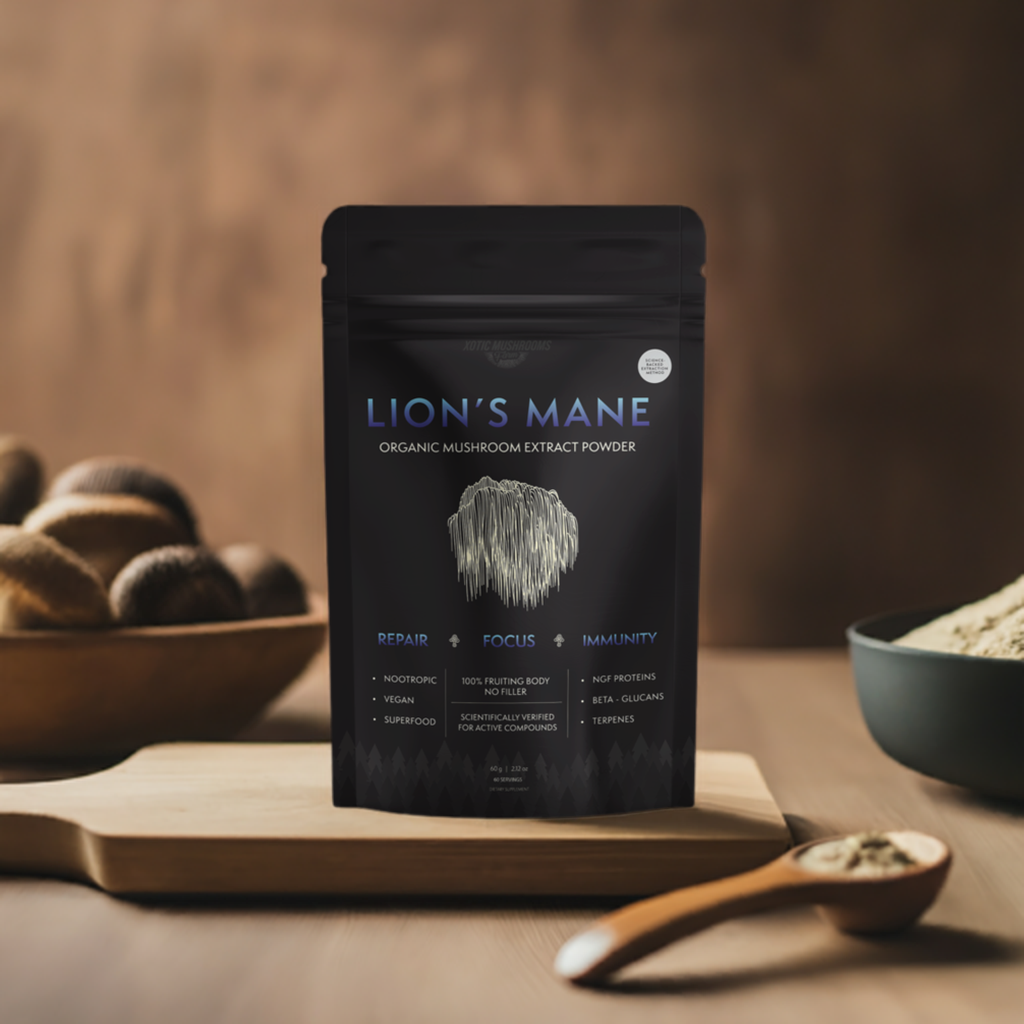
Ready to experience the difference? Add Xotic Mushrooms’ Organic Lion’s Mane Extract Powder to your daily routine and feel the results for yourself. Shop now and take the first step toward sustained focus, recovery, and wellness.