News

Exploring the Synergy: Lion’s Mane and Other Superfoods for Optimal Health

Exploring the Synergy: Lion’s Mane and Other Superfoods for Optimal Health

Despite a balanced diet, many still face health challenges, lacking vitality and mental clarity.

This constant struggle for well-being often overlooks the potent benefits hidden within nature's arsenal, particularly the underutilized superfoods.

Enter Lion’s Mane mushroom, a superfood powerhouse, and its synergistic partners. This article delves into how integrating Lion’s Mane with other superfoods not only enhances your diet but amplifies your health, showcasing the transformative power of combined nutrition for optimal health.

The Nutritional Profile of Lion’s Mane

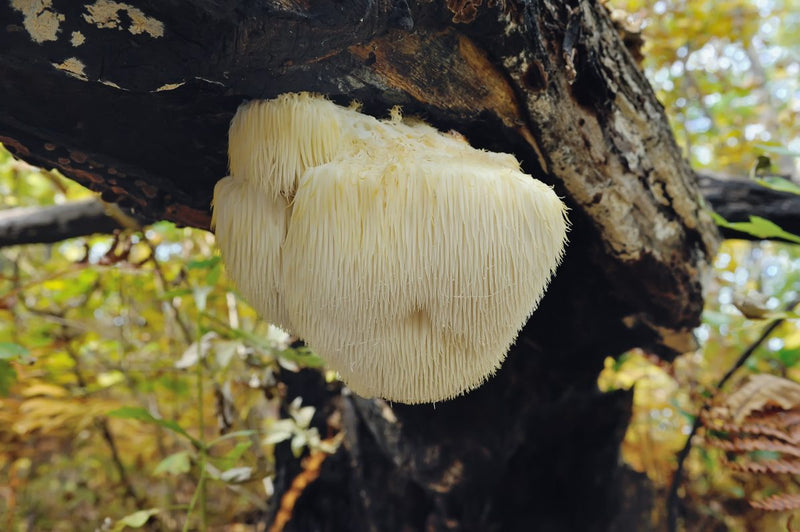
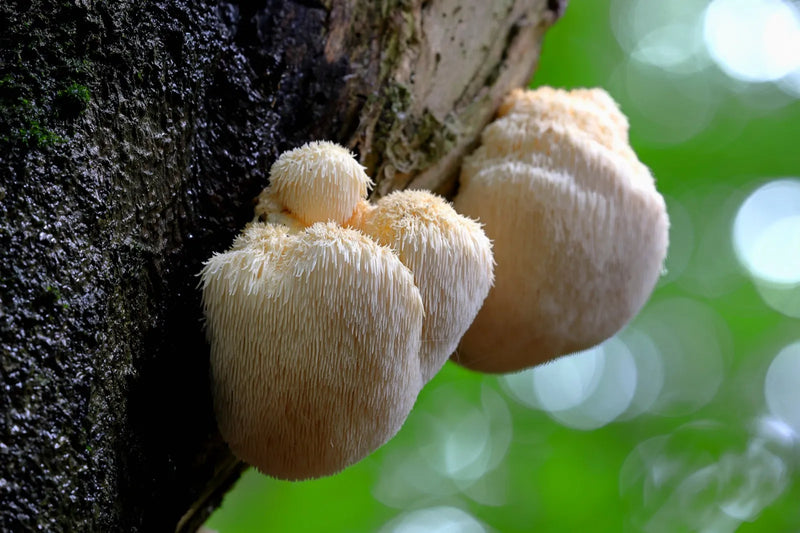
Lion's Mane mushroom, scientifically known as Hericium erinaceus, stands out in the superfood realm for its unique nutritional profile and myriad health benefits. Rich in bioactive substances, it primarily contains beta-glucans, a form of soluble dietary fiber recognized for its potent immune-boosting properties. 

Additionally, Lion's Mane is a source of antioxidants, which combat oxidative stress and may reduce inflammation.

Key nutrients in Lion’s Mane include essential amino acids, polypeptides, and fatty acids, vital for maintaining bodily functions and overall health. This mushroom is also noted for its high content of minerals such as zinc, iron, selenium, and potassium, alongside vitamins B1, B2, B12, and D, enriching its health-giving profile.

Cognitive health is one area where this mushroom shines; studies suggest it can stimulate the production of nerve growth factor (NGF), thereby enhancing brain function and potentially offering protection against cognitive decline. Its beta-glucans support immune health by promoting the activity of immune cells. 

Furthermore, the neuroprotective properties of Lion's Mane may encourage nerve regeneration, offering promising therapeutic avenues for nerve injury and neurodegenerative diseases. 

Complementary Superfoods: Enhancing Benefits

Integrating Lion's Mane with omega-3 rich foods, such as flaxseeds, chia seeds, and walnuts, creates a synergistic effect beneficial for brain health and cognitive function. Omega-3 fatty acids, particularly EPA and DHA, are essential for maintaining the integrity of brain cells and promoting neurogenesis. 

When paired with Lion’s Mane, known for its ability to stimulate nerve growth factor, this combination enhances neuronal growth and brain function, potentially offering a protective effect against cognitive decline.

Berries, including blueberries and strawberries, are another group of superfoods that complement Lion’s Mane. These fruits are laden with antioxidants, such as flavonoids, which counteract oxidative stress and inflammation, processes linked to neurodegenerative diseases. The antioxidant properties of berries, combined with the neuroregenerative potential of Lion's Mane, amplify the mushroom’s cognitive benefits, offering a potent natural strategy for maintaining brain health.

Leafy greens like spinach and kale are rich in vitamins (A, C, K, and folate) and minerals (iron and magnesium), nutrients that support the nervous system. The nutritional density of these vegetables enhances the neuroprotective effects of Lion’s Mane. Together, they support neural health, aid in the maintenance of cognitive function, and promote overall brain health.

Turmeric, with its active compound curcumin, is known for its powerful anti-inflammatory properties. Curcumin’s ability to reduce inflammation synergizes well with Lion’s Mane, enhancing the mushroom’s benefits for cognitive health and nerve regeneration. The bioavailability of curcumin is notably low, but when consumed with Lion’s Mane, which has been found to support immune health and possibly improve the absorption of other nutrients, the combination may increase curcumin's absorption, thereby maximizing its anti-inflammatory and antioxidant effects. 

Incorporating Lion’s Mane and Other Superfoods into Your Diet

Incorporating Lion’s Mane and Other Superfoods into Your Diet

Incorporating Lion’s Mane and other superfoods into your diet can be both simple and delicious, enhancing your meals with powerful health benefits. 

Start by adding ground Lion’s Mane powder to your morning smoothie or coffee for a cognitive boost. Omega-3 rich seeds like flaxseeds and chia can be sprinkled over salads or blended into smoothies, while walnuts make a nutritious snack or crunchy salad topping.

For a synergistic antioxidant kick, mix berries into oatmeal, yogurt, or homemade muffins. Their vibrant flavors and health benefits complement the subtle taste of Lion’s Mane. Leafy greens, packed with essential vitamins and minerals, can be sautéed with garlic and olive oil for a simple side dish, or blended into green smoothies alongside a spoonful of Lion’s Mane powder for an extra health boost.

Turmeric, with its potent anti-inflammatory properties, can be added to curries, soups, or teas. For enhanced absorption, pair it with a pinch of black pepper and a healthy fat like coconut oil, amplifying the benefits of Lion’s Mane.

When sourcing these superfoods, opt for quality and organic options whenever possible to avoid pesticides and maximize the nutritional content. Visiting local farmers’ markets or health food stores can provide access to high-quality, organic superfoods, including fresh Lion’s Mane mushrooms, ensuring you receive the full spectrum of their health benefits.

Case Studies and Research

A notable 2019 study published in the Journal of Agricultural and Food Chemistry highlighted Lion's Mane's potential to enhance cognitive function. When combined with omega-3 fatty acids, researchers observed an improved rate of neurogenesis and reduced symptoms of anxiety and depression in subjects, suggesting a powerful synergistic effect on brain health.

Another key research piece in the International Journal of Medicinal Mushrooms (2020) explored the antioxidant properties of Lion’s Mane in conjunction with berries. The study found that this combination significantly increased antioxidant activity in the bloodstream, indicating enhanced protection against oxidative stress and inflammation, crucial factors in cognitive decline prevention.

Nutritionists and health practitioners report witnessing marked improvements in patients’ cognitive functions and overall well-being when integrating a diet rich in Lion’s Mane and complementary superfoods like turmeric, leafy greens, and berries. Dr. Jane Anderson, a renowned neurologist, shared her observation of patients experiencing improved memory and focus, attributing these benefits to the holistic approach of combining Lion’s Mane with a varied diet of other superfoods.

These studies and expert opinions underscore the importance of incorporating a diverse range of superfoods into the diet, highlighting Lion’s Mane mushroom not just for its standalone benefits but also for its ability to amplify the health effects of other superfoods through synergistic interactions.

Sustainability and Ethical Consideration

The quest for optimal health through superfoods like Lion’s Mane must also embrace sustainability and ethical considerations. 

Choosing sustainably sourced superfoods ensures that our dietary choices contribute positively to environmental health and social well-being. Sustainable sourcing practices include methods that minimize environmental impact, such as reducing pesticide use, conserving water, and avoiding the degradation of natural habitats.

Supporting ethical suppliers of superfoods goes beyond environmental sustainability; it also encompasses fair labor practices and equitable trade conditions. By choosing products from suppliers who prioritize the welfare of their workers and operate under fair trade principles, consumers contribute to improving livelihoods and strengthening communities. This ethical consideration ensures that the pursuit of health benefits from superfoods like Lion’s Mane also supports the well-being of those who cultivate and harvest these products.

Moreover, sustainable and ethical sourcing contributes to a healthier planet by promoting biodiversity, reducing the carbon footprint associated with large-scale farming, and ensuring that natural resources are conserved for future generations. 

As demand for superfoods grows, choosing products that are certified organic, sustainably harvested, and ethically sourced becomes a powerful tool for consumers to support not only their health but also the health of the planet and its inhabitants.

Conclusion

In this exploration, we've delved into the potent synergy between Lion’s Mane and other superfoods, highlighting their combined power in enhancing cognitive health, immune support, and overall wellness. 

Embrace the journey towards optimal health by incorporating these superfood combinations into your diet. For the finest selection of these natural treasures, visit MarketPlace Fresh Melbourne, your next step towards a revitalized well-being.

Improve Memory & Focus: Lion's Mane Powder

Improve Memory & Focus: Lion's Mane Powder

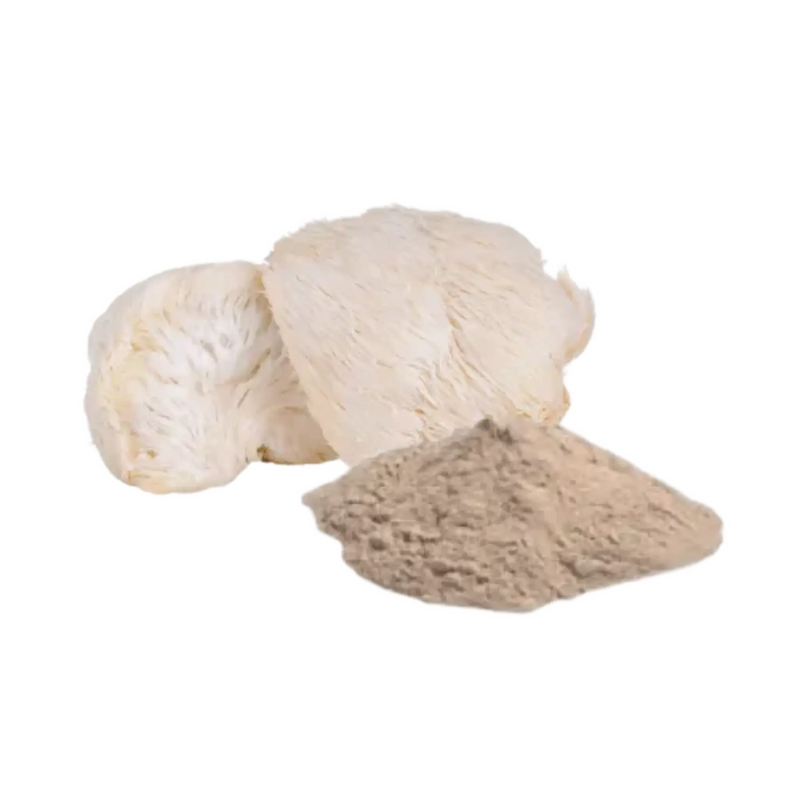
Are you looking to sharpen your memory and enhance focus naturally? Lion's Mane powder could be the key to unlocking your brain's full potential. 

This powerful mushroom has garnered attention for its ability to support cognitive function, improve mental clarity, and boost focus. 

Whether you're aiming to stay sharp at work or enhance your study sessions, Lion's Mane offers a natural and effective way to elevate your brain health. Let’s explore how this unique supplement can transform your cognitive abilities.

What Is Lion's Mane Powder?

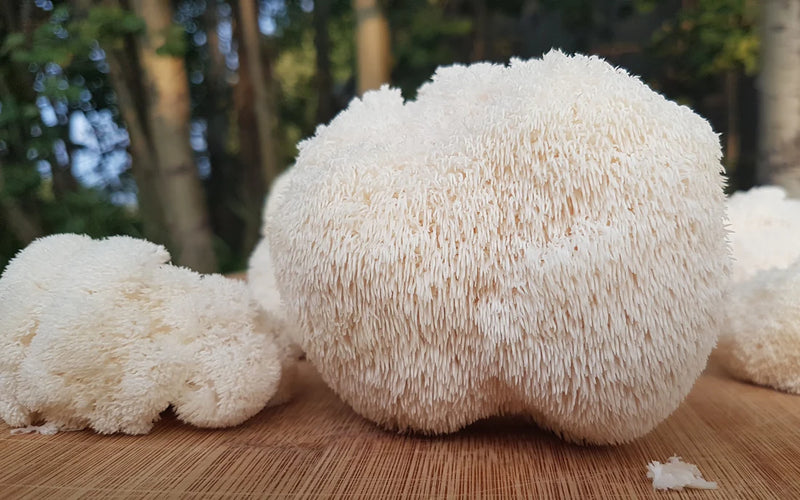
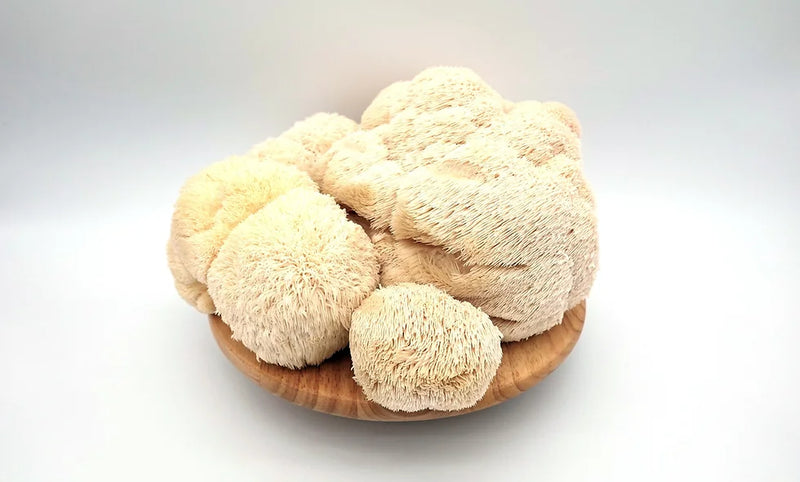
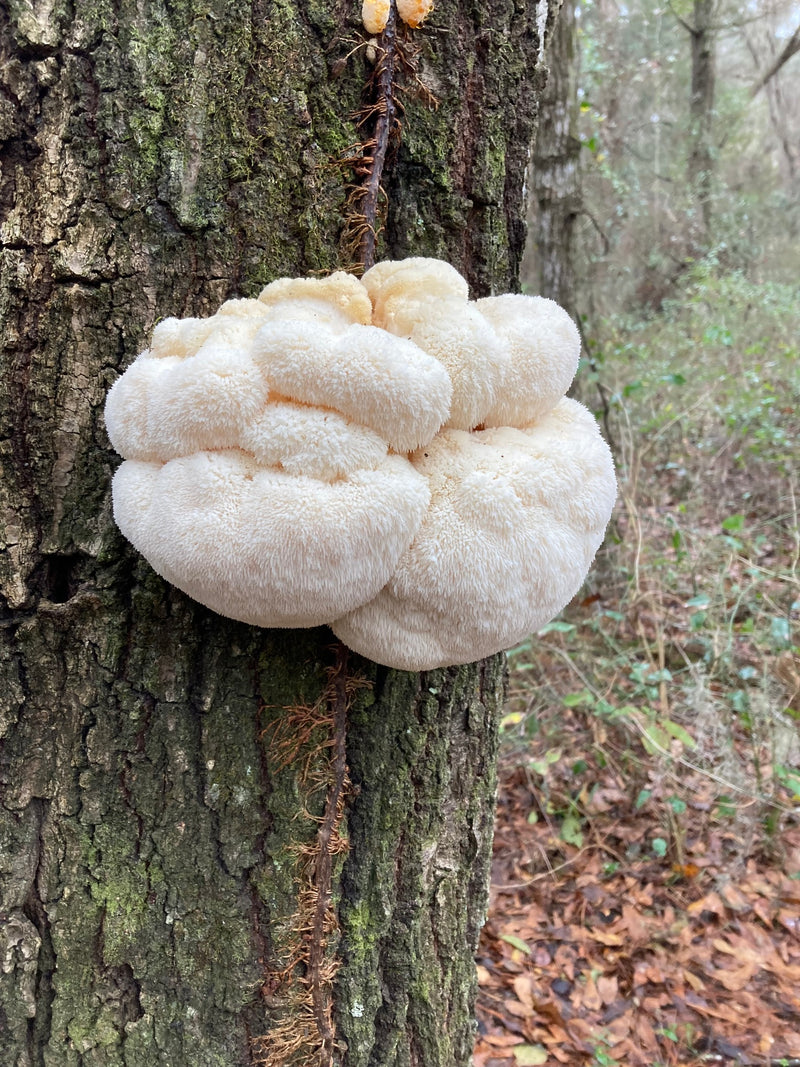
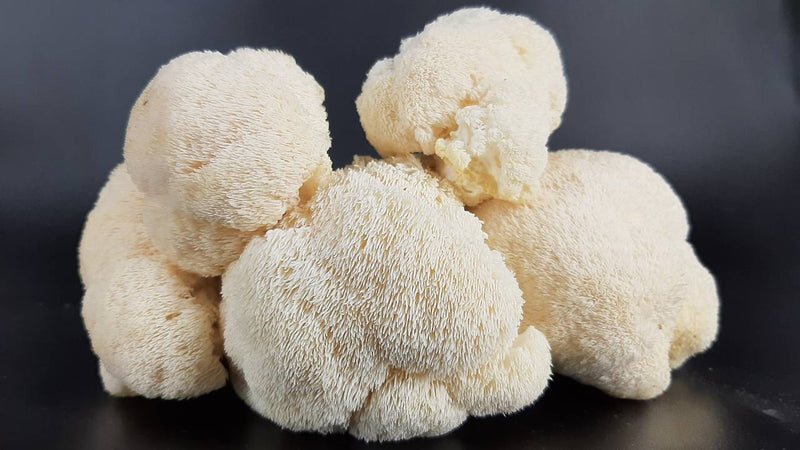
Lion's Mane powder is derived from the fruiting body of Hericium erinaceus, a medicinal mushroom known for its striking appearance, resembling a lion’s mane

This natural supplement has gained popularity due to its potential cognitive benefits, particularly for memory, focus, and overall brain health.

Native to Asia and parts of North America, Lion's Mane has been used in traditional medicine for centuries. Recent scientific research has only amplified its reputation as a natural brain booster, particularly in enhancing memory and mental clarity

But what makes it so unique? Let’s delve into its remarkable properties and explore how it works.

How Lion's Mane Enhances Memory and Focus

Looking for a way to boost your memory naturally? Lion's Mane might be the solution. Here’s how it works:

  • Bioactive compounds: Lion's Mane contains hericenones and erinacines, compounds that stimulate the production of nerve growth factor (NGF). NGF is essential for the growth and maintenance of neurons in the brain.
  • Supports nerve regeneration: These compounds promote the regeneration of nerve cells, which enhances brain function, particularly in areas like memory and focus.
  • Improves cognitive function: By supporting brain health, Lion's Mane for cognitive function can lead to better mental performance, helping with tasks such as studying, problem-solving, or staying sharp at work.
  • Natural cognitive enhancer: Lion’s Mane is a natural brain booster which can improve focus and clarity without the side effects often associated with synthetic supplements.
  • Consistency is key: Regular use of Lion's Mane powder for memory can result in noticeable improvements over time, supporting overall cognitive health.

How to Use Lion’s Mane Powder for Best Results

Now that you’re excited about the potential benefits of Lion's Mane for memory and focus, here’s how to make the most of this powerful supplement:

  • Add it to your morning coffee or tea: Mix a teaspoon of Lion's Mane powder into your morning drink to start your day with a cognitive boost. The taste is mild so that it won’t overpower your beverage.
  • Incorporate it into smoothies: Add a scoop to your daily smoothie for a delicious and effective brain-boosting treat.
  • Capsules: If you prefer convenience, you can find Lion's Mane in capsule form. Just be sure to follow the recommended dosage on the label.
  • Sprinkle it on food: Add a small amount to soups, salads, or even pasta dishes to enhance the cognitive content of your meals.
  • Blend into oatmeal or porridge: Stir in a teaspoon of Lion's Mane powder into your breakfast oats to kick-start your day with brain support.
  • Baked goods: If you enjoy baking, mix Lion's Mane powder into muffin or pancake batter for a nutritious twist to your favourite recipes.

To improve mental clarity naturally, aim for a consistent daily dose. Most users report feeling the effects after about two to three weeks of regular use, so patience is key. However, consult a healthcare provider before adding any new supplement.

Who Can Benefit from Lion’s Mane Powder?

Are you wondering if Lion’s Mane powder is suitable for you? This powerful mushroom offers a range of benefits for various groups. Let’s break it down:

1. Students and Learners

For those needing a cognitive boost during study sessions, Lion’s Mane can help improve focus with natural supplements, allowing for better retention and recall. Imagine taking exams with the support of a natural brain enhancer without the jitters associated with caffeine.

2. Professionals

In today’s fast-paced work environment, staying sharp is key. Lion's Mane’s ability to enhance memory and focus makes it a great addition to your daily routine, ensuring you can power through meetings and tight deadlines with clarity and precision.

3. Seniors and Brain Health Enthusiasts

Older adults looking to support cognitive health may benefit from Lion's Mane, particularly for conditions like mild cognitive impairment. Its neuroprotective properties help maintain the health of brain cells, which can be vital as we age.

4. Athletes

Athletes seeking improved mental clarity and focus during training or competition can benefit from Lion’s Mane. The boost in cognitive function can enhance decision-making, reaction time, and overall mental endurance, supporting peak performance.

5. Creative Individuals

Writers, artists, and other creatives often require mental clarity to stay inspired. Lion’s Mane has been linked to improved cognitive function, which can help boost creativity, reduce mental fog, and keep ideas flowing throughout the day.

6. Individuals Seeking Natural Brain Health Support

If you’re simply looking for a natural way to support long-term brain health, Lion’s Mane is an excellent choice. Its compounds help promote neurogenesis, protecting and stimulating brain cells to keep your mind sharp and functioning optimally as you age.

Potential Side Effects and Considerations

While Lion’s Mane powder is generally considered safe for most people, it’s essential to be aware of potential side effects and precautions. Mild reactions such as an upset stomach, skin rash, or respiratory discomfort can occur, especially in individuals with mushroom allergies. If you experience any of these symptoms, discontinue use and consult a healthcare professional.

Certain individuals should avoid Lion’s Mane powder altogether. Those with known allergies to fungi or mushrooms should refrain from using it. Pregnant or breastfeeding women should seek medical advice before incorporating it into their diet, as its safety during these stages has not been thoroughly studied.

Interactions with medications are another consideration. Lion’s Mane may enhance the effects of anticoagulants or antiplatelet drugs, potentially increasing the risk of bleeding. If you are on medication for blood thinning or any chronic condition, consult your doctor before use.

To ensure safe usage, follow the recommended dosage provided by the manufacturer. Starting with a lower dose is advisable for new users to monitor how your body responds. Always source high-quality Lion’s Mane powder, such as the one offered by Xotic Mushrooms, to minimise risks and maximise benefits

Conclusion

Incorporating Lion's Mane into your routine can enhance mental clarity, memory, and focus. Whether you're a student, professional, or senior, it’s a natural nootropic for improved brain health. Choose a high-quality Lion’s Mane powder to experience its full cognitive benefits. Start today and unlock your brain's potential!

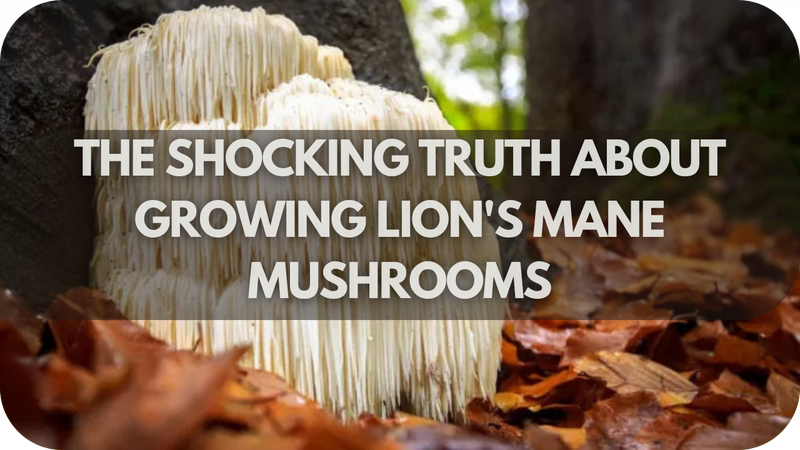
The Shocking Truth About Growing Lion's Mane Mushrooms—Follow These Easy Steps!

The Shocking Truth About Growing Lion's Mane Mushrooms—Follow These Easy Steps!

Finding it tricky to get your mushroom-growing efforts off the ground? Many mushroom enthusiasts face challenges—confusion, setbacks, and wasted time. Sound familiar?

Here’s the good news: growing Lion’s Mane mushrooms can be simpler than you think. Picture harvesting fresh, nutrient-packed mushrooms… right at home.

Ready to make it happen? Our step-by-step guide is packed with practical tips and straightforward instructions to lead you to success. Want a harvest that’s both effortless and rewarding? Dive in and uncover the secrets to cultivating Lion’s Mane mushrooms like a pro!

Supplies You Will Need

To grow Lion's Mane mushrooms successfully, you’ll need a few essential supplies:

  1. Lion's Mane Mushroom Spawn: This is the "seed" for your mushrooms and can be purchased from reputable suppliers. Choose high-quality spawn for best results.
  2. Growing Medium: Hardwood sawdust or a blend of sawdust and bran works well as the substrate. Alternatively, sterilized straw can also be used.
  3. Growing Containers: Use breathable grow bags designed for mushrooms, which allow airflow while maintaining humidity.
  4. Sterilization Tools: A pressure cooker or steam sterilizer is essential for ensuring your substrate is free from contaminants.
  5. Humidifier or Spray Bottle: Lion’s Mane mushrooms require high humidity to grow, so a humidifier or spray bottle will help maintain the right environment.
  6. Clean Workspace: Ensure a sterile workspace to minimize contamination during inoculation.

Preparing to Grow Lion's Mane Mushrooms

Preparing to Grow Lion's Mane Mushrooms

Successfully growing Lion’s Mane mushrooms starts with careful preparation. Getting the basics right can distinguish between a bountiful harvest and a disappointing yield. 

Each step is crucial for ensuring your mushrooms thrive, from selecting the suitable growing medium to setting up the perfect environment. In this section, we’ll cover the essential preparations needed to create an ideal growing environment and set you up to cultivate Lion’s Mane mushrooms at home successfully.

Step 1: Choosing the Right-Growing Medium

The appropriate growing medium is crucial for successful Lion’s Mane mushroom cultivation. The suitable medium provides the essential nutrients and structure for robust mycelial growth and a bountiful harvest.

Hardwood Sawdust is often the top choice for growing Lion’s Mane mushrooms. It is rich in nutrients that support healthy mycelium development and provides a suitable environment for the mushrooms to thrive. Sawdust from hardwoods like oak or maple is preferred due to its higher nutrient content than softwood sawdust.

Straw can also be used, although it may require additional supplementation, such as bran or other nutrient-rich additives, to provide a balanced growing medium. Although straw is less nutrient-dense than hardwood sawdust, it can be a viable option for those with limited access to sawdust.

Pre-made substrate Mixes are available. These mixes often combine sawdust, straw, and other nutrients. They can be convenient and effective, especially for beginners.

Step 2: Selecting a Growing Method.

Choosing the right growing method is pivotal in cultivating Lion’s Mane mushrooms. It influences both the process's ease and the yield's quality.

Indoor Cultivation offers the most control over environmental conditions, such as temperature, humidity, and light. This method is ideal for achieving consistent results and is often preferred by those new to mushroom growing. 

Indoor setups can range from simple kits to more elaborate systems using grow tents or dedicated growing rooms. Maintaining optimal conditions and cleanliness is crucial to prevent contamination and ensure successful growth.

Outdoor Cultivation provides a more natural environment but can be less predictable. It involves placing the substrate in a sheltered outdoor area where natural conditions such as temperature and humidity are less controlled. 

This method can be more challenging, requiring careful management of weather-related factors and potential pests. However, it can also yield high-quality mushrooms and is suitable for those with suitable outdoor space.

Hybrid Approaches combine elements of both methods, such as starting mushrooms indoors and transferring them outdoors once established. This approach can balance control and natural conditions.

Step 3: Setting Up Your Growing Environment

Step 3: Setting Up Your Growing Environment

The optimal growing environment is essential for successful Lion’s Mane mushroom cultivation. This involves controlling temperature, humidity, and ventilation to promote healthy mycelial growth and mushroom production.

  • Temperature Control: Lion’s Mane mushrooms thrive within a temperature range of 18°C to 24°C (65°F to 75°F). Consistency is key, as fluctuations can stress the mycelium and hinder growth. Use a thermometer to monitor the temperature closely and make adjustments using heaters or air conditioners.
  • Humidity Management: High humidity is crucial for developing Lion’s Mane mushrooms. Aim to maintain humidity levels between 85% and 90% to ensure optimal growth. This can be achieved using a humidifier or placing a moisture-retentive tray in the growing area. Regular misting can also help maintain the required humidity levels.
  • Ventilation: Proper ventilation prevents the build-up of excess moisture and reduces the risk of contamination. Ensure adequate airflow by using fans or creating vents in your growing setup. This helps maintain fresh air circulation, essential for healthy mushroom development and reducing the likelihood of mould and bacteria growth.
  • Light Conditions: While Lion’s Mane does not require direct light, indirect light can help stimulate fruiting. Ensure the growing area has some light exposure, either natural or artificial, to support the mushroom’s development.

Step 4: Inoculating the Substrate

Inoculating the substrate is a crucial step in the cultivation of Lion’s Mane mushrooms, as it introduces the mushroom’s mycelium or spores to the growing medium. This process is essential for initiating mycelial growth and ultimately achieving a successful harvest.

Start by preparing your substrate, ensuring it is fully sterilised and cooled to room temperature. This step is vital to prevent contamination, which can severely disrupt the growth of Lion’s Mane mushrooms and lead to a failed crop. Contaminants can outcompete the mycelium for nutrients, so maintaining a clean environment is critical.

Once the substrate is ready, move to the inoculation process in a sterile environment. Use sterile tools to mix the Lion’s Mane spores or mycelium into the substrate. For mycelium, ensure it is evenly distributed throughout the medium to promote uniform growth. If you are using spores, make sure they are spread evenly to avoid clustering, which can lead to uneven colonisation.

After inoculation, seal the substrate in a suitable container or bag to create a controlled environment. Place the sealed substrate in a warm, dark area to facilitate mycelial colonisation. Regularly monitor the substrate for contamination or mycelial growth to ensure a healthy development process.

Step 5: Fruiting the Mushrooms

Fruiting Lion’s Mane mushrooms is the final and rewarding phase of the cultivation process, where you encourage the mycelium to produce mature mushrooms. 

To begin fruiting, reduce the temperature slightly to around 15°C to 20°C (59°F to 68°F) and increase fresh air exchange. This change mimics natural conditions that trigger mushroom development. Maintaining high humidity, around 85% to 90%, is crucial to support mushroom formation.

Providing light during the fruiting stage can also be beneficial. While Lion’s Mane mushrooms do not require direct light, offering indirect light can help guide their growth and enhance fruiting. Use fluorescent or LED lights to simulate natural daylight, ensuring they are not directly exposed to the substrate.

Regular monitoring is essential to ensure the environment remains optimal. Check for signs of contamination or adverse conditions, and adjust humidity and ventilation as needed. Mist the substrate if necessary to keep humidity levels consistent and prevent moisture build-up that could lead to mould growth.

Once the mushrooms have developed their distinctive white, cascading spines, they are ready for harvest. Gently twist or cut the mushrooms from the substrate to ensure the best texture and flavour. Proper management during this stage will lead to a successful fruiting phase and a rewarding crop of Lion’s Mane mushrooms.

Step 6: Harvesting and Storing Lion's Mane Mushrooms

Harvesting and Storing Lion's Mane Mushrooms

Harvesting Lion’s Mane mushrooms requires precision to ensure optimal quality and yield. Timing is crucial; the best moment to harvest is when the mushrooms have fully developed their characteristic spines but before they start to deteriorate. Ideally, the mushrooms should be harvested when their spines are elongated and the edges are still white but before they turn yellow or brown.

Use clean, sharp tools to avoid contaminating the substrate during the harvesting process. Gently twist or cut the mushrooms at the base where they meet the substrate. Avoid pulling or ripping, damaging the mycelium and reducing future yields.

Handle the mushrooms with care. Lion’s Mane mushrooms are delicate, and rough handling can cause them to bruise or break apart. Place them carefully into a clean container to prevent any damage.

Harvest regularly to ensure that all mushrooms reach their peak before they begin to degrade. Frequent harvesting can also encourage further fruiting.

Common Issues and How to Troubleshoot

Common Issues and How to Troubleshoot

When growing Lion's Mane mushrooms, a few common issues may arise:

  1. Contamination: Mold or bacteria can spoil your substrate. To prevent this, ensure all tools and workspace are sterilized. If contamination appears, remove affected areas promptly or restart with fresh spawn and substrate.
  2. Slow or No Growth: Temperature and humidity are crucial. Lion's Mane grows best in a temperature range of 16–24°C (60–75°F) and requires 85–90% humidity. Adjust your environment or add a humidifier if growth is stalled.
  3. Yellowing or Dry Mushrooms: If the mushrooms turn yellow or appear dry, humidity levels may be too low. Increase humidity by misting regularly or using a humidifier near your grow bags.
  4. Lack of Fruiting: This can result from low light exposure. While Lion's Mane doesn’t need direct light, a few hours of indirect light each day encourages fruiting.
  5. Pinning but No Growth: If your mushrooms form small "pins" that don’t mature, the substrate might be too compact, preventing proper airflow. Loosen the substrate slightly and ensure there’s enough ventilation.
  6. Excess Moisture: Pooling water in or on the substrate can lead to rot. Check that your growing environment has good airflow and reduce misting if you see excess moisture. Grow bags with filter patches help control humidity and airflow.
  7. Bitter Taste in Mushrooms: Sometimes, mushrooms grown in low oxygen environments can develop a bitter flavor. Improve airflow and ensure enough indirect light to enhance their taste and texture.

Conclusion

Growing Lion’s Mane mushrooms at home is a rewarding endeavour that yields delicious and nutritious results. Follow this guide step by step to ensure success. Start your cultivation journey today and enjoy the numerous benefits of home-grown Lion’s Mane mushrooms. Get your supplies and begin now for a fresh harvest!

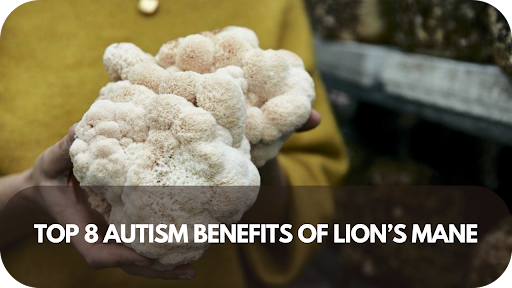
Top 8 Autism Benefits of Lion’s Mane

Top 8 Autism Benefits of Lion’s Mane

Lion’s Mane mushroom, scientifically known as Hericium erinaceus, has gained significant attention for its potential to improve cognitive function and support overall brain health. This unique fungus, resembling a cascading white pom-pom, has long been celebrated in traditional Eastern medicine. Emerging research suggests it may offer promising benefits for individuals on the autism spectrum. 

This article will explore the top 8 ways Lion’s Mane may support autism.

1. Enhances Cognitive Function

Boosts brain power and sharpens focus.

Lion's Mane mushroom has been shown to support cognitive function, which may be particularly beneficial for individuals with autism who face attention, memory, and learning challenges. 

The bioactive compounds in Lion's Mane, such as hericenones and erinacines, promote the production of nerve growth factor (NGF), a protein essential for the growth and maintenance of neurons. 

By stimulating NGF production, Lion's Mane may help enhance brain plasticity, improve neural connections, and support cognitive processes like focus and memory. 

This cognitive boost can help individuals with autism engage more effectively with their environment, process information, and develop better problem-solving skills, contributing to improved learning and adaptive behaviour.

2. Supports Brain Development

Lion’s Mane may play a role in brain development, which is crucial for individuals with autism spectrum disorder (ASD), especially in childhood and adolescence. 

Research suggests that Lion’s Mane supports neurogenesis, generates new neurons, and enhances synaptic plasticity, key factors in brain growth and overall neural health. 

This mushroom’s ability to promote NGF production can help support the development of new brain cells, potentially aiding individuals with ASD in overcoming some developmental delays and deficits in brain functions often associated with the condition. 

Early intervention with Lion’s Mane may support neural pathways that assist in language development, motor skills, and emotional regulation.

3. Reduces Anxiety and Stress

Calms nerves and eases stress naturally.

Many individuals with autism experience heightened levels of anxiety and stress, often due to sensory overload, social challenges, and communication difficulties. Lion’s Mane has been found to have calming effects on the nervous system, which may be helpful for individuals with ASD who experience heightened arousal or stress responses.

The compounds in Lion’s Mane have anti-anxiety properties, potentially reducing cortisol levels and promoting relaxation. By reducing anxiety, individuals with autism may find it easier to engage in social situations, focus on tasks, and manage overwhelming stimuli.

This calming effect can help improve overall well-being and quality of life, fostering a sense of safety and emotional stability.

4. Supports Gut Health and Immunity

Gut health plays an important role in overall health and well-being, especially in individuals with autism, who often experience gastrointestinal issues such as constipation, diarrhoea, or food sensitivities.

Lion’s Mane support gut health by promoting the growth of beneficial gut bacteria and improving the integrity of the gut lining. Research has shown a connection between gut health and brain function, so supporting the gut microbiome with Lion’s Mane may help reduce symptoms of ASD. 

Furthermore, Lion’s Mane has immune-boosting properties that can enhance overall immunity, potentially reducing the frequency of infections or illnesses that might exacerbate ASD symptoms. A healthy gut-brain connection can improve mood, reduce inflammation, and enhance overall functioning in individuals with autism.

5. Improves Sleep Quality

Enhances deep sleep for better overall health.

Sleep disturbances, such as difficulty falling or staying asleep, are common in individuals with autism. Lion’s Mane has been reported to help improve sleep quality by promoting relaxation and reducing stress and anxiety. 

The calming properties of Lion’s Mane and its ability to enhance cognitive function can help regulate circadian rhythms and reduce the mental chatter that often interferes with sleep. 

Additionally, by improving mood and reducing the hyperactivity often seen in those with autism, Lion’s Mane may help facilitate better rest and recovery. 

Better sleep leads to improved daytime functioning, mood, and cognitive abilities, positively impacting social interactions and learning for individuals with ASD.

6. Enhances Focus and Attention

One of the hallmark challenges faced by many individuals with autism is difficulty with focus and attention. Lion’s Mane may help improve these aspects by supporting brain function and increasing the production of neurotransmitters in cognitive processes. 

The mushroom's ability to boost nerve growth factor (NGF) enhances neuronal connections, leading to better focus, attention, and processing speed. For individuals with autism who struggle with staying on task, following through with activities, or engaging in structured learning, Lion's Mane may help by enhancing mental clarity and reducing distractions. 

With improved focus, individuals may experience better academic performance, social engagement, and overall task completion.

7. Provides Anti-Inflammatory Benefits

Reduces inflammation for better brain health.

Chronic inflammation has been linked to a variety of neurological conditions, including autism spectrum disorder. Studies suggest that Lion’s Mane has powerful anti-inflammatory effects, which may help reduce the inflammation in the brain and body often seen in individuals with ASD. 

By reducing neuroinflammation, Lion’s Mane may support better brain function, improve mood regulation, and lessen hyperactivity. 

In addition to its cognitive benefits, reducing inflammation can help alleviate other common symptoms associated with autism, such as irritability, aggression, and sensory sensitivities. By addressing the underlying inflammation, Lion’s Mane can contribute to a more balanced neurological state, improving physical and emotional well-being.

8. Boosts Emotional Regulation

Emotional regulation can be particularly challenging for individuals with autism, as they may experience intense emotions or difficulty managing emotional responses. Lion’s Mane has been suggested to help support emotional regulation by promoting the growth of new neurons and enhancing brain plasticity. 

These effects improve the brain's ability to manage emotional responses and maintain a more balanced mood. By promoting NGF and neurogenesis, Lion’s Mane may support the brain's ability to process and respond to emotions more appropriately. 

This could lead to fewer emotional outbursts, less frustration, and improved social interactions. Therefore, Lion's Mane's calming and mood-stabilizing effects could be a helpful tool in managing the emotional challenges often faced by individuals with autism.

Considerations and Cautions

Important tips for safe use and precautions.

While Lion’s Mane offers many potential benefits for individuals with autism, there are some important considerations to keep in mind:

  • Individual Response Varies: The effects of Lion's Mane can differ from person to person; some may experience positive outcomes, while others may not see significant changes.
  • Consult Healthcare Provider: Always consult with a healthcare professional before introducing any new supplement, especially for individuals with pre-existing health conditions or who are on medication.
  • Potential Allergic Reactions: Though generally safe, some individuals may experience allergic reactions to Lion's Mane, such as skin rashes or swelling.
  • Gastrointestinal Discomfort: Some people may experience stomach upset, nausea, or digestive issues when taking Lion's Mane, especially in high doses.
  • Start with a Low Dose: Begin with a small dose to monitor how the body responds and reduce the risk of adverse effects.
  • Ensure Product Quality: Choose a high-quality Lion's Mane supplement from a reputable source to ensure safety, potency, and freedom from contaminants.
  • Monitor for Side Effects: Track any changes in symptoms or potential side effects and discontinue use if any adverse reactions occur.

Conclusion

If you're considering Lion's Mane as a potential supplement for improving cognitive function, emotional regulation, or overall well-being, consult a healthcare provider to determine if it's right for you or your loved one.

Start with a low dose, monitor for changes, and choose high-quality supplements from trusted sources. With careful consideration and proper guidance, Lion's Mane could be a valuable tool in supporting individuals with autism.

Brain Health Benefits: Lion's Mane Extract

Brain Health Benefits: Lion's Mane Extract

In the fast-paced world we live in, maintaining optimal brain health is more important than ever. The brain is at the centre, whether it’s staying sharp at work, retaining memories, or managing stress. 

Lion’s Mane extract, a natural nootropic derived from the Hericium erinaceus mushroom, has been celebrated for its potential to enhance cognitive function, protect against neurodegenerative conditions, and promote emotional well-being.

This article will explore how this extraordinary supplement supports brain health and why it’s becoming a go-to choice for mental vitality.

What Is Lion's Mane Extract?

Lion's Mane Extract is a supplement derived from the Lion's Mane mushroom (Hericium erinaceus), a unique and distinctive mushroom known for its white, spiky appearance, resembling the mane of a lion.

This extract is particularly prized for its potential cognitive and neurological benefits. It contains bioactive compounds, such as hericenones and erinacines, which are believed to support brain health by promoting the growth and repair of nerve cells.

Lion's Mane is often used as a natural nootropic, offering potential support for memory, focus, and mental clarity. It is also thought to help with mood regulation and may offer neuroprotective properties, helping to prevent cognitive decline associated with ageing. 

Popular in traditional medicine, it is now widely consumed in supplement form, including capsules, powders, and tinctures, for its purported brain-boosting effects.

Key Brain Health Benefits

Here are the main brain health benefits of incorporating Lions Mane mushroom into your diet:

1. Enhances Cognitive Function

Lion’s Mane extract is renowned for enhancing cognitive performance by stimulating Nerve Growth Factor (NGF) production. NGF plays a critical role in neurons' development, maintenance, and communication, directly influencing memory, focus, and mental clarity. Lion’s Mane is particularly beneficial for optimising productivity or combating mental fatigue.

2. Supports Nerve Repair and Regeneration

The mushroom’s bioactive compounds, such as hericenones and erinacines, are key to repairing and regenerating nerve cells. This is especially important for recovering from nerve injuries, improving conditions like peripheral neuropathy, or protecting against long-term nerve damage caused by chronic illnesses.

3. Protects Against Cognitive Decline

Research indicates that Lion’s Mane may prevent or slow the progression of age-related conditions such as Alzheimer’s and dementia. Its neuroprotective properties combat oxidative stress, chronic inflammation, and amyloid plaque buildup—factors closely linked to cognitive deterioration.

4. Reduces Symptoms of Anxiety and Depression

Lion’s Mane has demonstrated potential in reducing symptoms of anxiety and depression. It promotes hippocampal function and influences neurotransmitters like serotonin and dopamine, both of which play crucial roles in emotional well-being and stress management.

5. Boosts Memory and Learning

The ability to enhance synaptic plasticity makes Lion’s Mane extract a powerful tool for boosting memory and learning. Strengthening neural connections supports faster recall, better problem-solving skills, and adaptability to new information.

6. Promotes Neurogenesis

Lion’s Mane actively promotes the growth of new neurons through neurogenesis, helping the brain remain adaptable and resilient. This process supports recovery from injuries, the retention of new information, and the regeneration of damaged neural pathways.

7. Fights Oxidative Stress

Packed with potent antioxidants, Lion’s Mane shields brain cells from oxidative stress caused by free radicals. This protection reduces the risk of premature cell death, brain inflammation, and diseases like Parkinson’s and Alzheimer’s.

8. Supports Brain-Immune Interaction

The mushroom also modulates the brain’s immune response, preventing harmful inflammation while encouraging healing. This balance ensures the brain remains healthy and functional, even under stress or during illness.

9. Enhances Mood Regulation

Lion’s Mane has been shown to positively impact mood by balancing key neurotransmitters. Its influence on serotonin and dopamine pathways helps stabilise mood swings, reduce irritability, and promote a sense of calm.

10. Encourages Myelin Repair

The myelin sheath, which insulates and protects nerves, is essential for efficient communication within the nervous system. Lion’s Mane promotes repairing and maintaining this sheath, improving nerve signal transmission and overall brain function.

11. Improves Sleep Quality

Lion’s Mane may help improve sleep quality by alleviating anxiety and encouraging relaxation. Better sleep enhances the brain’s ability to consolidate memories, repair damage, and prepare for the next day’s activities.

12. Protects Against Neurotoxicity

Lion’s Mane has shown promise in protecting brain cells from toxins that can lead to neurodegenerative conditions. This safeguard slows the progression of diseases like multiple sclerosis and Parkinson’s, preserving brain health over time.

13. Supports Stroke Recovery

Emerging research suggests that Lion’s Mane could significantly aid in recovery after a stroke. By reducing brain tissue damage and promoting neuron regeneration, it helps restore motor functions and cognitive abilities.

14. Improves Focus and Attention

Lion’s Mane extract supports sustained focus and mental clarity by increasing energy production in brain cells and reducing brain fog. This benefit is particularly valuable for those with demanding cognitive tasks or long hours of concentration.

15. Boosts Brain Plasticity

Lion’s Mane enhances the brain’s plasticity its ability to rewire and adapt to new challenges or environments. This benefit is particularly crucial in recovering from trauma, learning new skills, or adapting to age-related cognitive changes.

15. Reduces Chronic Inflammation in the Brain

Chronic inflammation is a key contributor to cognitive decline and neurodegenerative diseases. Lion’s Mane reduces inflammatory markers in the brain, improving long-term brain health and resilience.

16. Enhances Brain Energy Levels

By supporting mitochondrial function, Lion’s Mane helps optimise energy production in brain cells, ensuring that neurons have the fuel needed for optimal performance and recovery.

Lion’s Mane extract’s multifaceted benefits make it an invaluable addition to any brain health regimen, whether for prevention, recovery, or optimisation of mental capabilities.

How to Use Lion’s Mane Extract

Lion’s Mane extract is versatile and available in various forms, making it easy to incorporate into your daily routine. Here’s how you can use it effectively:

  • Capsules or Tablets: These are convenient for precise dosing. Follow the manufacturer’s instructions, typically 500–1000 mg per day or as a healthcare professional recommends.
  • Powders: Lion’s Mane extract powder can be added to smoothies, coffee, tea, or other beverages. Start with a teaspoon (around 1–2 grams) daily, adjusting the dose based on your response.
  • Tinctures: Liquid extracts are fast-absorbing and ideal for mixing with water or juice. Use the dropper to measure the recommended dose, often around 1–2 ml per serving.
  • Blended Products: Lion’s Mane is often included in nootropic blends or functional mushroom mixes. Check the label for the concentration of the Lion’s Mane and use as directed.
  • Cooking: Whole mushrooms can be cooked and consumed in meals if you prefer them. While their bioactive content may be lower than that of extracts, they still provide health benefits.
  • Timing: Take Lion’s Mane in the morning or early afternoon for cognitive support to complement mental focus. Use it in the evening for relaxation or sleep support.
  • Consistency: Use Lion’s Mane extract consistently over weeks or months for noticeable results. Pair it with a healthy diet and lifestyle for optimal benefits.

Conclusion

Lion’s Mane extract offers a remarkable range of brain health benefits, from enhancing cognitive function and memory to protecting against cognitive decline and promoting nerve regeneration. Whether you’re looking to boost focus, recover from neurological injuries, or protect against age-related decline, Lion’s Mane is a natural, effective solution. 

Consistency is key—incorporate it into your routine and experience its transformative impact on brain health.

Newsletter signup

Never Miss a Style Story

Get the latest fashion tips, trend reports, and exclusive blog content straight to your inbox.